GENESITE Environmental Protection Technology Co., Ltd.

Top Features to Look for in a Turbidity Detector for Optimal Environmental Monitoring
Aug 05,2025
Introduction to Turbidity Detectors
Turbidity detectors play a pivotal role in environmental monitoring, particularly in assessing water quality. As we navigate an era where water pollution is an increasing concern, the ability to measure turbidity accurately can aid in ensuring safe and clean water for all. **Understanding the core features of turbidity detectors** helps professionals choose the right device suited to their specific needs.
Understanding Turbidity and Its Importance
Turbidity is a measure of the cloudiness or haziness of a fluid, commonly water, caused by large numbers of individual particles that are generally invisible to the naked eye. These particles may include clay, silt, microorganisms, and organic matter. **High turbidity levels** can indicate pollution or water quality issues, making turbidity detectors essential for:
- Water treatment facilities
- Environmental monitoring
- Industrial processes
- Aquaculture
By gauging turbidity, these instruments contribute significantly to ensuring public health and environmental safety.
Key Features to Consider in a Turbidity Detector
1. Measurement Range and Sensitivity
One of the primary features to consider is the **measurement range** of the turbidity detector. A wider range allows for detecting varying turbidity levels, from very clean to highly turbid waters. For instance, some applications may require detection from **0 NTU (Nephelometric Turbidity Units)** to **4000 NTU**. The **sensitivity** of the detector ensures it can accurately read low turbidity levels, which is crucial for sensitive applications like drinking water testing.
2. Calibration and Accuracy
Calibration is essential for any measurement device. A reliable turbidity detector should provide easy calibration procedures, preferably with **built-in standards** for consistent accuracy. Look for devices that maintain their **accuracy** over time, minimizing the need for frequent recalibrations. Precision is key in maintaining trust in water quality measurements.
2.1 Reference Standards
Some turbidity detectors come with **reference standards** that allow users to calibrate the devices quickly. These reference materials help maintain measurement integrity and ensure compliance with regulatory standards.
3. Technology Used in Turbidity Detectors
The technology behind turbidity detection can vary significantly. Two common technologies are:
- **Nephelometric Measurement:** Most widely used, this method measures scattered light at a 90-degree angle from the beam of light as it passes through the water sample.
- **Absorptiometric Measurement:** This method measures the light absorbed by the particles in the sample, providing a different approach to turbidity assessment.
Each technology has its advantages, and the choice depends on specific application requirements.
4. User-Friendly Interface and Displays
A **user-friendly interface** is integral for effective operation, especially for non-technical users. Look for devices with:
- **Digital displays** that clearly show turbidity levels
- **Intuitive navigation** for easy operation
- **Data logging capabilities** for monitoring changes over time
These features enhance usability, making it easier for professionals to interpret readings and respond accordingly.
5. Portability and Design
The **portability** of a turbidity detector is essential for fieldwork and various applications. Opt for compact, lightweight designs that can withstand rugged conditions. Features to consider include:
- **Waterproof enclosures** for outdoor use
- **Robust casing** to protect against environmental factors
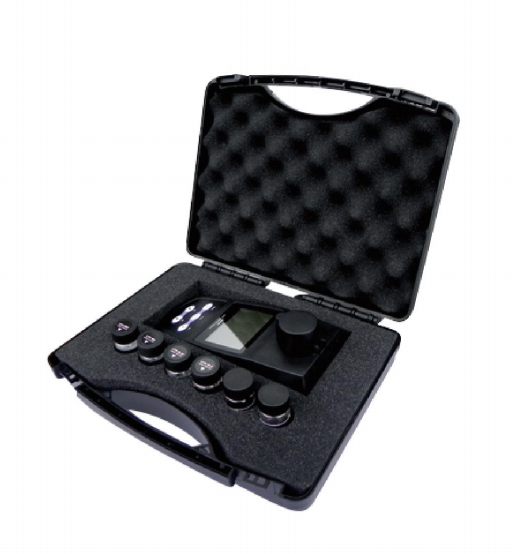
- **Carrying cases** for secure transport
6. Power Source and Battery Life
Depending on your application, consider the **power source** of the turbidity detector. Battery-operated units should have a long-lasting battery life, allowing for extended use in the field without the need for frequent recharging. Alternatively, detectors that can connect to a power outlet may be suitable for stationary applications.
7. Data Management and Connectivity Options
In today’s digital age, the ability to manage data effectively is crucial. Look for turbidity detectors that offer:
- **Bluetooth or Wi-Fi connectivity** for easy data transfer
- **Integration with software** for data analysis and reporting
- **Remote monitoring capabilities** for real-time tracking
These features enable data sharing, enhance collaboration, and improve decision-making processes.
8. Maintenance and Support Services
Regular maintenance is vital for ensuring the longevity of turbidity detectors. Choose models that come with **detailed maintenance guidelines** and consider those that offer:
- **Customer support services** for troubleshooting
- **Spare parts availability** for easy replacements
- **Regular software updates** to enhance functionality
A manufacturer’s commitment to ongoing support can significantly affect your experience with the device.
Applications of Turbidity Detectors
Turbidity detectors are widely used across various sectors. Understanding these applications can help you appreciate the importance of selecting a high-quality instrument.
Water Treatment Facilities
In water treatment plants, turbidity detectors are employed to monitor the filtration process. They ensure that drinking water meets safety standards by providing real-time data on water clarity.
Environmental Monitoring
Environmental agencies use turbidity detectors to monitor natural water bodies, assessing the impact of pollution and sedimentation on aquatic life and ecosystems.
Aquaculture
In aquaculture, maintaining optimal water conditions is critical for fish health. Turbidity detectors help aquaculturists monitor water quality, ensuring a sustainable environment for aquatic species.
FAQs About Turbidity Detectors
1. What is the ideal turbidity level for drinking water?
The World Health Organization recommends that drinking water turbidity should not exceed **5 NTU**, as higher levels can interfere with disinfection processes and indicate contamination.
2. How often should I calibrate my turbidity detector?
Calibration should be performed at least **once a month** or more frequently, depending on the frequency of use and environmental conditions.
3. Can turbidity detectors measure other parameters?
Some advanced turbidity detectors can also measure other water quality parameters, such as **pH**, **temperature**, and **dissolved oxygen**, providing a comprehensive analysis.
4. Are there portable turbidity detectors available?
Yes, many manufacturers offer portable turbidity detectors designed for fieldwork, which are lightweight and battery-operated for convenience.
5. How can I ensure accurate readings from my turbidity detector?
To ensure accurate readings, regularly calibrate your device, maintain it according to the manufacturer's guidelines, and avoid cross-contamination during sample collection.
Conclusion
Selecting the right turbidity detector hinges on understanding and prioritizing its key features. From measurement range and calibration accuracy to usability and maintenance, each aspect plays a vital role in effective water quality monitoring. By investing time in choosing a high-quality turbidity detector that meets your specific needs, you contribute significantly to ensuring safe and clean water for various applications. Ultimately, the right decision can lead to improved environmental health and compliance with safety regulations.
PREVIOUS:

Contact Us
E-mail :
andrew@genesit1.com
Phone:
+8615896508337
Address:
Chanhe Industrial Park,LuoYang City, Henan Province,China

SAF Coolest v1.3.1.2 设置面板 GAGSD-AGYF-JZZQE-ZAV
无数据提示
Sorry,当前栏目正在更新中,敬请期待!
您可以查看其他栏目或返回 首页