GENESITE Environmental Protection Technology Co., Ltd.

Understanding Conductivity Analyzers: Essential Tools for Automotive Maintenance
Mar 12,2025
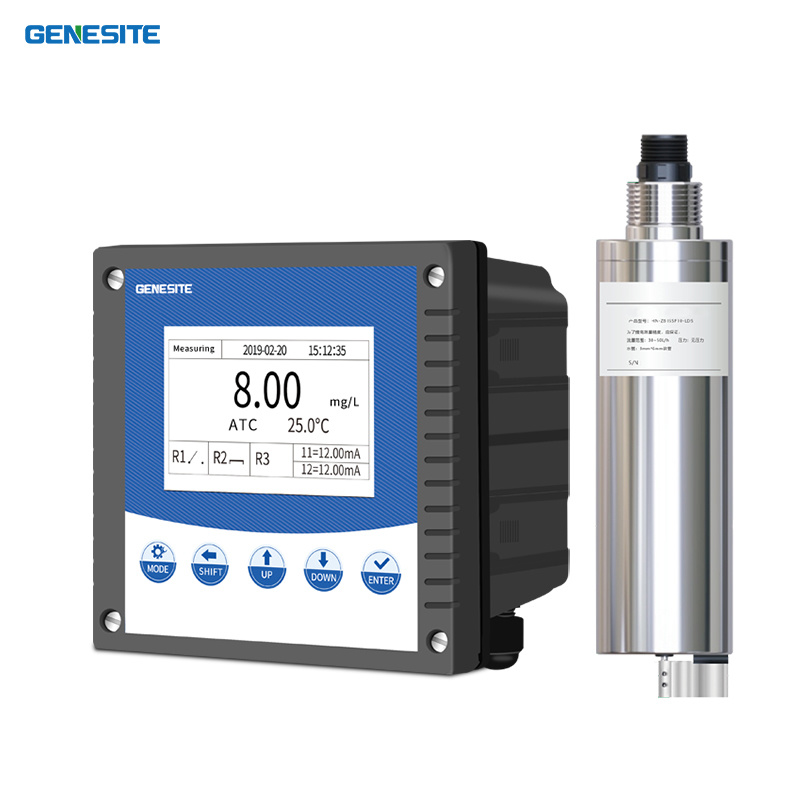
Conductivity analyzers are specialized devices designed to measure the electrical conductivity of liquids, a crucial parameter in various automotive applications. Understanding how conductivity relates to vehicle maintenance can greatly enhance the performance and longevity of automotive systems. In the automotive sector, these analyzers are primarily used to assess the quality of fluids, including engine coolant, battery electrolytes, and other important automotive fluids.
The primary function of a conductivity analyzer is to provide accurate readings of fluid conductivity. High conductivity levels in fluids can indicate contamination or degradation, which can lead to inefficiencies or damage in vehicle systems. For instance, in coolant systems, a conductivity analyzer can detect the presence of contaminants such as salts or metals, which can cause corrosion within the engine. By regularly monitoring the conductivity of these fluids, automotive technicians can identify potential issues before they escalate into serious problems.
Moreover, conductivity analyzers play a vital role in battery maintenance. In lead-acid batteries, for example, the conductivity of the electrolyte can provide insights into the battery's condition. A significant drop in conductivity may signal that the battery is nearing the end of its life cycle or that it is not functioning optimally. By utilizing conductivity analyzers, technicians can make informed decisions regarding battery maintenance or replacement, ensuring vehicles operate safely and efficiently.
In terms of practical application, the use of conductivity analyzers is straightforward. Most modern devices are equipped with digital displays that provide real-time readings. Operators typically immerse the probe into the fluid being tested, and the analyzer instantly provides a conductivity measurement. This simplicity allows technicians to perform tests with ease, enhancing workflow efficiency in automotive repair shops.
It’s also essential to note that proper calibration and maintenance of conductivity analyzers are crucial for accurate readings. Regularly calibrating the device according to the manufacturer's specifications ensures reliable results. Additionally, keeping the probes clean and free from residues can help maintain the longevity of the analyzer and improve measurement accuracy.
To summarize, conductivity analyzers are indispensable tools in the automotive maintenance toolkit. By measuring the conductivity of various fluids, these devices help detect potential issues early, ensuring that vehicles perform optimally and safely. Automotive repair professionals should prioritize the use of conductivity analyzers as part of their routine maintenance checks to enhance service quality and client satisfaction. Understanding and implementing this technology can significantly benefit both technicians and vehicle owners, paving the way for more reliable and efficient automotive performance.

Contact Us
E-mail :
andrew@genesit1.com
Phone:
+8615896508337
Address:
Chanhe Industrial Park,LuoYang City, Henan Province,China


SAF Coolest v1.3.1.2 设置面板 GAGSD-AGYF-JZZQE-ZAV
无数据提示
Sorry,当前栏目正在更新中,敬请期待!
您可以查看其他栏目或返回 首页