GENESITE Environmental Protection Technology Co., Ltd.

Understanding Conductivity Analyzers: Essential Tools for Automotive Diagnostics
Mar 30,2025
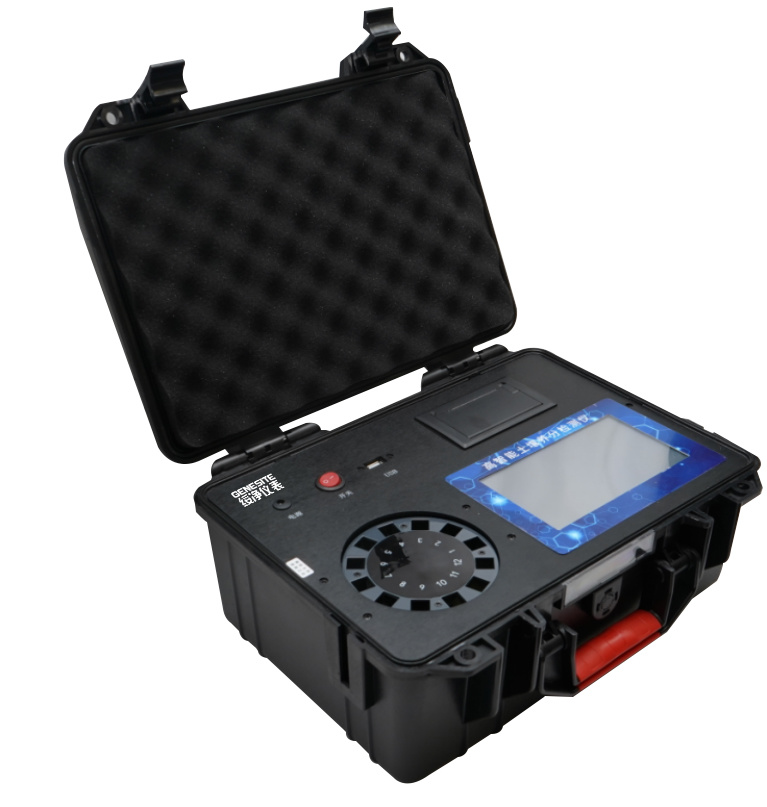
Conductivity analyzers are devices designed to measure the electrical conductivity of liquids, which is an essential parameter in various automotive applications. These instruments play a vital role, particularly in the assessment of coolants, brake fluids, and fuel, where the presence of contaminants can significantly affect performance and safety.
The principle behind a conductivity analyzer is relatively straightforward. It measures the ability of a liquid to conduct electrical current, which correlates with the concentration of ions present in the fluid. A higher conductivity reading typically indicates a higher level of impurities, while a lower reading suggests cleaner, more effective fluids. This measurement is crucial for automotive professionals, as it allows for timely identification of fluid degradation or contamination.
In automotive repair and maintenance, regular checks using conductivity analyzers can prevent costly failures. For instance, if a coolant's conductivity level rises beyond acceptable limits, it may indicate the presence of metal ions from corrosion. This could lead to overheating and engine damage if not addressed promptly. By utilizing a conductivity analyzer during routine maintenance, technicians can ensure that fluids remain within optimal parameters, thereby enhancing vehicle longevity and reliability.
Moreover, the integration of conductivity analyzers into automotive diagnostic systems can streamline the assessment process. Many modern analyzers come equipped with digital displays, data logging capabilities, and even connectivity options for integration with shop management software. These features allow technicians to track fluid quality over time, analyze trends, and make informed decisions based on empirical data.
Another key advantage of conductivity analyzers is their versatility. Beyond traditional uses in fluid testing, these devices can also be instrumental in the evaluation of battery electrolytes, which is increasingly important with the rise of electric vehicles. Monitoring the conductivity of battery fluids helps ensure optimal performance, safety, and longevity of electric vehicle systems.
When selecting a conductivity analyzer, professionals should consider factors such as measurement range, accuracy, ease of use, and additional features like portability and data management capabilities. Investing in a high-quality analyzer can greatly enhance diagnostic accuracy and operational efficiency in automotive repair practices.
In conclusion, conductivity analyzers serve as indispensable tools for automotive professionals, enabling precise evaluation of fluid conditions and fostering proactive maintenance practices. By understanding the significance and application of these devices, automotive technicians can enhance service quality, ensuring vehicles operate safely and efficiently.
The principle behind a conductivity analyzer is relatively straightforward. It measures the ability of a liquid to conduct electrical current, which correlates with the concentration of ions present in the fluid. A higher conductivity reading typically indicates a higher level of impurities, while a lower reading suggests cleaner, more effective fluids. This measurement is crucial for automotive professionals, as it allows for timely identification of fluid degradation or contamination.
In automotive repair and maintenance, regular checks using conductivity analyzers can prevent costly failures. For instance, if a coolant's conductivity level rises beyond acceptable limits, it may indicate the presence of metal ions from corrosion. This could lead to overheating and engine damage if not addressed promptly. By utilizing a conductivity analyzer during routine maintenance, technicians can ensure that fluids remain within optimal parameters, thereby enhancing vehicle longevity and reliability.
Moreover, the integration of conductivity analyzers into automotive diagnostic systems can streamline the assessment process. Many modern analyzers come equipped with digital displays, data logging capabilities, and even connectivity options for integration with shop management software. These features allow technicians to track fluid quality over time, analyze trends, and make informed decisions based on empirical data.
Another key advantage of conductivity analyzers is their versatility. Beyond traditional uses in fluid testing, these devices can also be instrumental in the evaluation of battery electrolytes, which is increasingly important with the rise of electric vehicles. Monitoring the conductivity of battery fluids helps ensure optimal performance, safety, and longevity of electric vehicle systems.
When selecting a conductivity analyzer, professionals should consider factors such as measurement range, accuracy, ease of use, and additional features like portability and data management capabilities. Investing in a high-quality analyzer can greatly enhance diagnostic accuracy and operational efficiency in automotive repair practices.
In conclusion, conductivity analyzers serve as indispensable tools for automotive professionals, enabling precise evaluation of fluid conditions and fostering proactive maintenance practices. By understanding the significance and application of these devices, automotive technicians can enhance service quality, ensuring vehicles operate safely and efficiently.

Contact Us
E-mail :
andrew@genesit1.com
Phone:
+8615896508337
Address:
Chanhe Industrial Park,LuoYang City, Henan Province,China

SAF Coolest v1.3.1.2 设置面板 GAGSD-AGYF-JZZQE-ZAV
违禁词: 第一,最,一流,领先,独一无二,王者,龙头,领导者,极致,
无数据提示
Sorry,当前栏目正在更新中,敬请期待!
您可以查看其他栏目或返回 首页