GENESITE Environmental Protection Technology Co., Ltd.

How COD Sensors Work: A Comprehensive Exploration of Their Functionality
Apr 10,2025
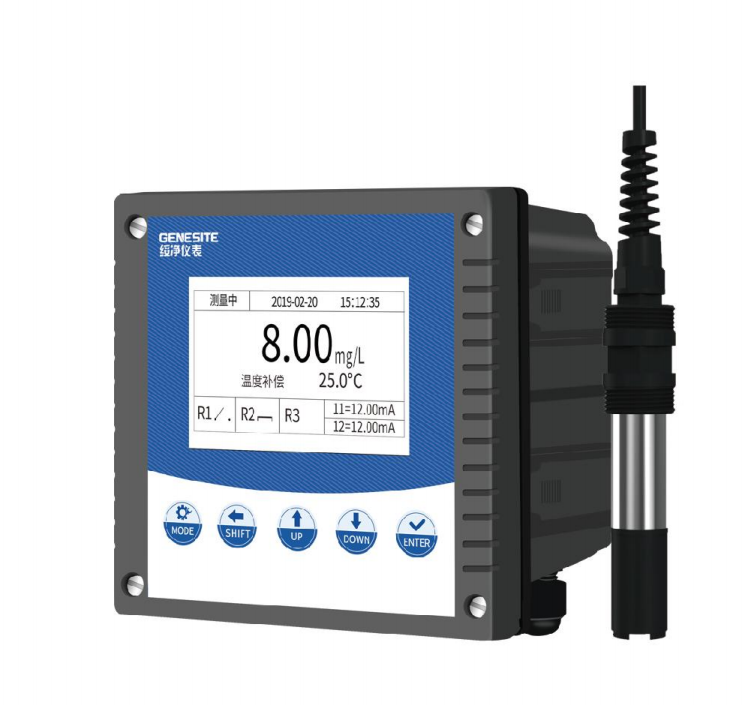
How COD Sensors Work: A Deep Dive into Their Functionality
Table of Contents
- 1. Introduction to COD Sensors
- 2. What is COD (Chemical Oxygen Demand)?
- 3. Importance of COD Sensors in Environmental Monitoring
- 4. How COD Sensors Work
- 4.1 Principles of Operation
- 4.2 Types of COD Sensors
- 5. Applications of COD Sensors
- 6. Advantages and Limitations of COD Sensors
- 7. The Future of COD Sensors in Water Quality Monitoring
- 8. Frequently Asked Questions (FAQs)
- 9. Conclusion
1. Introduction to COD Sensors
In today's world, monitoring water quality has become more critical than ever. Chemical Oxygen Demand (COD) sensors play a vital role in assessing the organic pollutants in water bodies. These sensors provide real-time data, helping industries and environmental agencies manage water quality effectively. In this article, we will explore the functionality of COD sensors, their operational principles, and their significance in water quality assessments.
2. What is COD (Chemical Oxygen Demand)?
Chemical Oxygen Demand (COD) is a measure of the amount of oxygen required to oxidize organic and inorganic matter in water. It is a crucial parameter for determining water quality and is widely used in wastewater treatment processes. A higher COD indicates a higher concentration of pollutants, which can adversely affect aquatic ecosystems and human health.
3. Importance of COD Sensors in Environmental Monitoring
The significance of COD sensors cannot be overstated. These devices are essential for:
- **Regulatory Compliance**: Industries are required to comply with environmental regulations regarding wastewater discharge. COD sensors help ensure compliance by providing accurate measurements.
- **Environmental Protection**: Monitoring COD levels helps prevent the contamination of water bodies, protecting aquatic life and human health.
- **Process Optimization**: In wastewater treatment, COD sensors provide data that can optimize treatment processes, leading to more efficient operations and reduced costs.
4. How COD Sensors Work
Understanding how COD sensors operate is essential for appreciating their role in water quality monitoring.
4.1 Principles of Operation
COD sensors typically work on the principle of measuring the consumption of oxygen by organic materials in a water sample. The most common methods include:
- **Closed Reflux Method**: In this method, a water sample is mixed with a strong oxidizing agent and heated in a sealed environment. The amount of oxygen consumed is measured, indicating the COD level.
- **Open Reflux Method**: Similar to the closed method but conducted in an open system, this approach uses a lower temperature and longer reaction times.
Each method provides valuable insight into the COD levels, although they vary in accuracy and efficiency.
4.2 Types of COD Sensors
There are several types of COD sensors available, each catering to different needs:
- **Laboratory COD Analyzers**: These are used in controlled environments for precise measurements. They are often used for research and development purposes.
- **Online COD Sensors**: Designed for continuous monitoring, these sensors are installed in wastewater treatment plants and industrial effluents. They provide real-time data that helps in immediate decision-making.
- **Portable COD Sensors**: Suitable for field testing, portable sensors offer flexibility and convenience for quick COD assessments in various locations.
5. Applications of COD Sensors
COD sensors find applications across various sectors, including:
- **Wastewater Treatment**: Monitoring COD levels helps optimize treatment processes and ensure compliance with discharge regulations.
- **Industrial Processes**: Industries such as food and beverage, pharmaceuticals, and chemicals use COD sensors to monitor effluents and improve process efficiency.
- **Environmental Monitoring**: COD sensors are vital for assessing the health of natural water bodies, ensuring that they remain safe for human use and aquatic life.
6. Advantages and Limitations of COD Sensors
Understanding the pros and cons of COD sensors is crucial for effective implementation.
Advantages
- **Real-time Monitoring**: COD sensors provide instant feedback, enabling quicker responses to potential issues.
- **Compliance Assurance**: Regular monitoring ensures compliance with environmental regulations, preventing legal issues.
- **Process Improvement**: Data from COD sensors can optimize treatment systems, leading to cost savings and enhanced performance.
Limitations
- **Sensitivity to Interference**: Some sensors may be affected by non-organic substances present in the water, leading to inaccurate readings.
- **Maintenance Requirements**: COD sensors require regular calibration and maintenance to ensure accuracy, which can increase operational costs.
7. The Future of COD Sensors in Water Quality Monitoring
As technology advances, the future of COD sensors looks promising. Innovations include:
- **Smart Sensors**: Integration with IoT technology allows for enhanced data collection and analysis.
- **Miniaturization**: Smaller, more affordable sensors are likely to emerge, making water quality monitoring more accessible.
- **Enhanced Accuracy**: Future sensors may utilize advanced materials and methods to provide more precise and reliable measurements.
8. Frequently Asked Questions (FAQs)
1. How often should COD levels be monitored?
Regular monitoring is recommended, especially in industrial settings, to ensure compliance with regulations and effective treatment processes.
2. Can COD sensors be used in drinking water testing?
Yes, COD sensors can be used to assess the quality of drinking water, although specific regulations must be followed.
3. What factors can affect the accuracy of COD sensors?
Factors such as temperature, pH, and the presence of interfering substances can impact sensor accuracy.
4. How do COD sensors compare to BOD sensors?
While both measure organic matter, COD provides a quicker assessment and includes both biodegradable and non-biodegradable substances, whereas BOD focuses primarily on biodegradable material.
5. Are there any new technologies emerging for COD measurement?
Yes, advancements in sensor technology, including the use of nanomaterials and machine learning, are expected to enhance COD measurement accuracy and efficiency.
9. Conclusion
In conclusion, COD sensors are invaluable tools in the realm of environmental monitoring and water quality management. Understanding their functionality, applications, and future advancements can significantly contribute to better water management practices. As we continue to innovate in this field, the role of COD sensors will only grow more critical, ensuring a healthier environment for future generations.
TAG:

Contact Us
E-mail :
andrew@genesit1.com
Phone:
+8615896508337
Address:
Chanhe Industrial Park,LuoYang City, Henan Province,China

SAF Coolest v1.3.1.2 设置面板 GAGSD-AGYF-JZZQE-ZAV
违禁词: 第一,最,一流,领先,独一无二,王者,龙头,领导者,极致,
无数据提示
Sorry,当前栏目正在更新中,敬请期待!
您可以查看其他栏目或返回 首页