GENESITE Environmental Protection Technology Co., Ltd.

Integrating Quality Chlorine Dioxide Sensors into Your Systems: A Comprehensive Guide for Enhanced Safety and Efficiency
Nov 04,2025
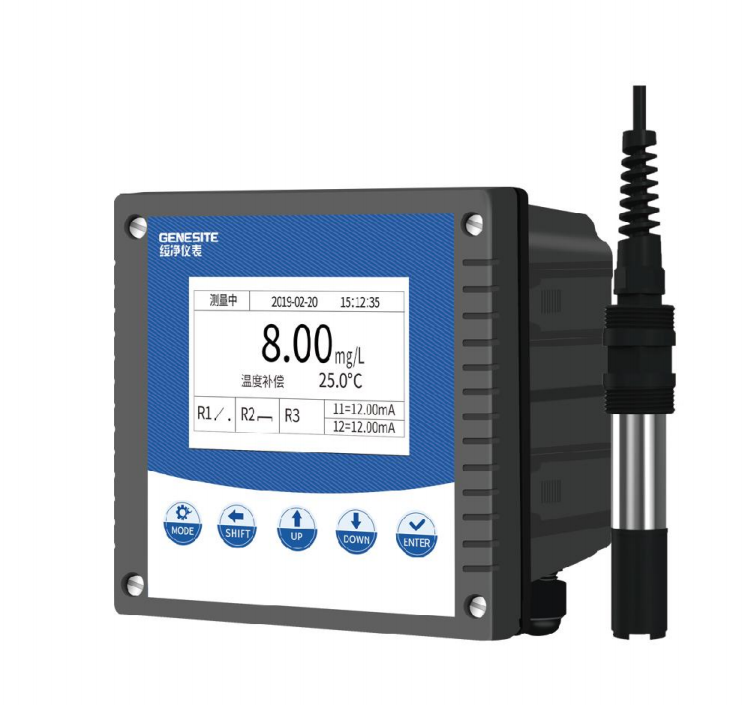
Integrating Quality Chlorine Dioxide Sensors into Your Systems
In today’s technological landscape, the need for accurate and reliable monitoring of chlorine dioxide levels has become paramount. This is especially true in industries such as water treatment, food processing, and healthcare, where maintaining optimal chlorine dioxide concentrations is crucial for safety and efficiency. This article delves into the various aspects of integrating quality chlorine dioxide sensors into your systems, offering insights and practical guidance for implementation.
Understanding Chlorine Dioxide and Its Applications
Chlorine dioxide (ClO2) is a powerful disinfectant that is widely used in various industries due to its effectiveness against bacteria, viruses, and biofilms. Its applications include:
1. Water Treatment
Chlorine dioxide is utilized in water treatment facilities for disinfection purposes, effectively eliminating pathogens and improving water quality. Its ability to oxidize organic matter enhances the overall treatment process.
2. Food Processing
In the food industry, chlorine dioxide is used for sanitizing equipment and surfaces, ensuring food safety and compliance with health regulations. Its effectiveness in reducing microbial load contributes to longer shelf life and better quality products.
3. Healthcare Facilities
Hospitals and healthcare settings employ chlorine dioxide for infection control, utilizing its properties to sanitize environments and equipment, thus minimizing the risk of hospital-acquired infections.
4. Industrial Applications
Chlorine dioxide is also used in various industrial processes where odor control and microbial management are critical. Its versatility makes it an essential compound in many sectors.
The Importance of Quality Sensors
Integrating quality chlorine dioxide sensors into your systems is vital for several reasons:
1. Accurate Monitoring
Quality sensors provide precise measurements of chlorine dioxide concentrations, ensuring that levels remain within safe and effective ranges. This accuracy is crucial for compliance with health and safety regulations.
2. Early Detection of Anomalies
High-quality sensors can detect fluctuations in chlorine dioxide levels that may indicate potential issues. Early detection allows for prompt intervention, preventing costly downtime and ensuring operational efficiency.
3. Enhanced Safety
By continuously monitoring chlorine dioxide levels, these sensors play a key role in safeguarding employee health and environmental safety. They help mitigate the risks associated with exposure to high concentrations of ClO2.
Key Features to Look for in Chlorine Dioxide Sensors
When selecting chlorine dioxide sensors for your systems, consider the following features:
1. Sensitivity and Range
Choose sensors that offer a wide detection range and high sensitivity to low concentrations of chlorine dioxide. This ensures accurate monitoring across various operational conditions.
2. Response Time
A swift response time is crucial for capturing real-time changes in chlorine dioxide levels. Look for sensors that provide quick readings to facilitate timely decision-making.
3. Calibration and Maintenance
Opt for sensors with easy calibration procedures and low maintenance requirements. This ensures consistent performance without excessive downtime.
4. Environmental Compatibility
Ensure that the sensors are compatible with the environmental conditions in which they will be used, such as temperature and humidity levels. This helps in maintaining accuracy over time.
5. Data Logging and Connectivity
Consider sensors that offer data logging capabilities and connectivity options for integration with monitoring systems. This feature enhances the ability to track changes and analyze trends over time.
Integration Process: Step-by-Step Guide
Integrating chlorine dioxide sensors into your systems involves a series of well-defined steps. Here, we outline a practical guide to ensure smooth implementation.
Step 1: Assess Your Needs
Begin by evaluating your specific monitoring requirements. Identify the locations where sensors will be installed and the desired measurement range.
Step 2: Select the Right Sensors
Based on your needs assessment, choose the appropriate chlorine dioxide sensors that meet the criteria discussed earlier.
Step 3: Prepare the Installation Site
Ensure that the installation site is prepared for sensor integration. This may involve electrical work, ensuring proper ventilation, or modifying existing systems.
Step 4: Install the Sensors
Follow the manufacturer’s installation guidelines to properly install the sensors. Ensure that they are positioned for optimal exposure to chlorine dioxide.
Step 5: Calibration
After installation, calibrate the sensors according to the manufacturer’s recommendations. Proper calibration is essential for accurate readings.
Step 6: System Integration
Integrate the sensors with your existing monitoring systems. This may involve software installation or connecting to a central data management system.
Step 7: Testing and Validation
Conduct thorough testing to validate that the sensors are functioning correctly and providing accurate readings. Adjust as necessary to ensure optimal performance.
Step 8: Regular Maintenance
Establish a routine maintenance schedule to ensure that sensors remain in good working condition. Regular checks and calibrations will help prolong their lifespan and accuracy.
Best Practices for Using Chlorine Dioxide Sensors
To maximize the benefits of chlorine dioxide sensors, follow these best practices:
1. Train Your Staff
Ensure that all relevant personnel are trained in the proper use and maintenance of chlorine dioxide sensors. This includes understanding how to interpret readings and respond to alarms.
2. Monitor Regularly
Implement a regular monitoring schedule to review chlorine dioxide levels actively. This proactive approach can help identify potential issues before they escalate.
3. Document Everything
Maintain detailed records of sensor calibrations, maintenance activities, and monitoring results. This documentation is essential for compliance and performance tracking.
4. Stay Updated
Keep abreast of advancements in sensor technology and best practices for monitoring chlorine dioxide. Staying informed allows you to make necessary upgrades and improvements.
5. Collaborate with Experts
Engage with industry experts or consultants to optimize your chlorine dioxide monitoring strategy. Their insights can help streamline processes and enhance system performance.
FAQs About Chlorine Dioxide Sensors
1. What industries benefit the most from chlorine dioxide sensors?
Chlorine dioxide sensors are critical in water treatment, food processing, healthcare, and various industrial applications where effective disinfection and monitoring are essential.
2. How often should chlorine dioxide sensors be calibrated?
Calibration frequency depends on the manufacturer’s guidelines and the specific operational conditions. Regular checks and recalibrations are necessary to maintain accuracy.
3. Can chlorine dioxide sensors detect other gases?
Most chlorine dioxide sensors are specifically designed for ClO2 detection. However, some advanced models may also be capable of detecting other gases, depending on their technology.
4. What should I do if my chlorine dioxide sensor goes off?
If a sensor alarm is triggered, immediately assess the situation and take appropriate action, such as ventilating the area or reducing chlorine dioxide usage. Always follow safety protocols.
5. Are chlorine dioxide sensors expensive to maintain?
Maintenance costs can vary based on the sensor type and operational conditions. However, regular maintenance is essential to ensure longevity and reliability, which can offset costs in the long run.
Conclusion
Integrating quality chlorine dioxide sensors into your systems is a critical step toward achieving optimal safety, efficiency, and compliance in various industries. By understanding the importance of these sensors, selecting the right features, and following a systematic integration process, organizations can enhance their disinfection practices and safeguard against potential hazards. Adopting best practices and staying informed about advancements in sensor technology will further ensure that your systems continue to operate effectively, providing peace of mind in an increasingly safety-conscious world.
TAG:
PREVIOUS:

Contact Us
E-mail :
andrew@genesit1.com
Phone:
+8615896508337
Address:
Chanhe Industrial Park,LuoYang City, Henan Province,China

SAF Coolest v1.3.1.2 设置面板 GAGSD-AGYF-JZZQE-ZAV
违禁词: 第一,最,一流,领先,独一无二,王者,龙头,领导者,极致,
无数据提示
Sorry,当前栏目正在更新中,敬请期待!
您可以查看其他栏目或返回 首页