GENESITE Environmental Protection Technology Co., Ltd.

Understanding the Role of a Turbidity Detector Exporter in Environmental Monitoring
Nov 12,2025
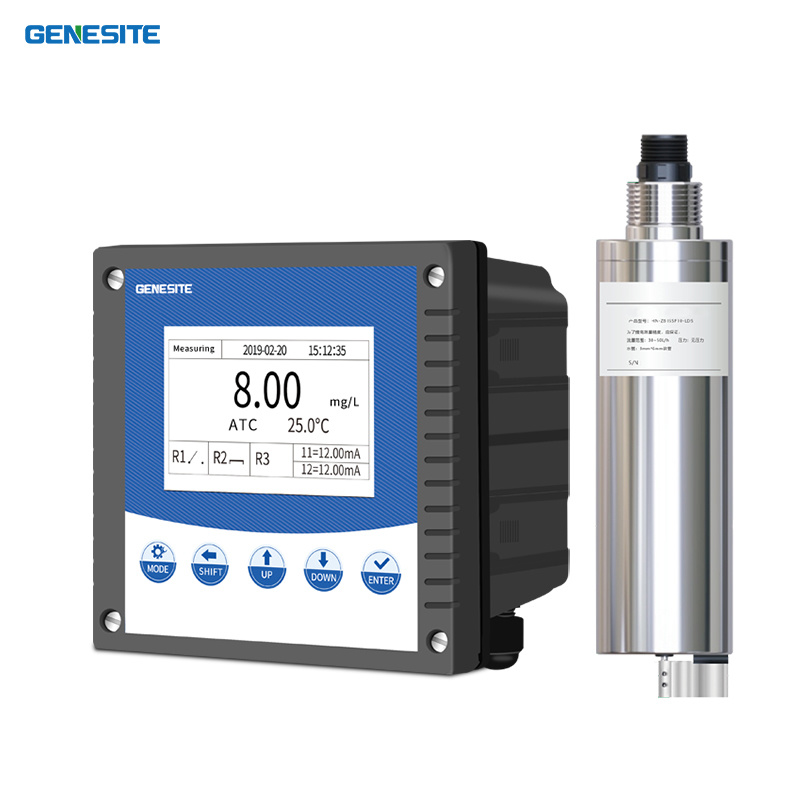
Understanding the Role of a Turbidity Detector Exporter in Environmental Monitoring
Table of Contents
- 1. Introduction to Turbidity Detection in Environmental Monitoring
- 2. What is Turbidity and Why is it Important?
- 3. How Do Turbidity Detectors Work?
- 4. Types of Turbidity Detectors
- 5. The Role of Turbidity Detector Exporters
- 6. Criteria for Selecting a Reliable Turbidity Detector Exporter
- 7. Impact of Turbidity Detectors on Environmental Monitoring
- 8. Future Trends in Turbidity Detection Technology
- 9. Conclusion
- 10. Frequently Asked Questions (FAQs)
1. Introduction to Turbidity Detection in Environmental Monitoring
In the modern world, **environmental monitoring** has become a vital aspect of sustainable development. One of the key parameters assessed in this domain is **turbidity**, which indicates the clarity of water and the presence of suspended particles. **Turbidity detectors**, also known as turbidimeters, play a crucial role in measuring this parameter. As exporters of these advanced instruments, we must understand their significance, functionality, and the broader implications they have on environmental health and safety.
2. What is Turbidity and Why is it Important?
Turbidity refers to the cloudiness or haziness of a fluid caused by large numbers of individual particles that are generally invisible to the naked eye. These particles can include:
- **Sediments**
- **Algae**
- **Microorganisms**
- **Organic matter**
High turbidity levels can lead to numerous environmental issues, including:
- **Decreased water quality**: Turbid water can harbor harmful pathogens that pose health risks to humans and aquatic life.
- **Impaired photosynthesis**: Suspended particles can block sunlight, disrupting the growth of aquatic plants.
- **Increased water treatment costs**: High turbidity levels can complicate water treatment processes, leading to higher operational costs.
Therefore, monitoring turbidity is crucial for maintaining water quality standards and ensuring the health of aquatic ecosystems.
3. How Do Turbidity Detectors Work?
Turbidity detectors operate on various principles, but most commonly, they use *nephelometry* or *transmittance*.
3.1 Nephelometry
Nephelometric turbidity meters measure the intensity of light scattered at a certain angle from a light source as it passes through a sample. The more particles in the water, the more light is scattered, leading to a higher turbidity reading.
3.2 Transmittance
Transmittance-based turbidity measurement involves passing light through a water sample. A decrease in light intensity reaching the detector indicates higher turbidity levels.
Both methods provide valuable data that can be used for real-time monitoring and compliance with environmental regulations.
4. Types of Turbidity Detectors
Turbidity detectors come in various types tailored to specific applications, including:
4.1 Portable Turbidity Meters
Ideal for fieldwork, portable turbidity meters are lightweight and battery-operated, allowing for easy transportation and immediate results.
4.2 Laboratory Turbidity Meters
These devices provide more precise measurements and are used in controlled environments for detailed water quality analysis.
4.3 Online Turbidity Sensors
Installed within water treatment processes, online turbidity sensors provide continuous monitoring and real-time data, enabling quick responses to changes in water quality.
Each type of detector serves distinct purposes, but all contribute significantly to environmental monitoring and management.
5. The Role of Turbidity Detector Exporters
Turbidity detector exporters act as a bridge between manufacturers and end-users. Their role encompasses several critical functions:
5.1 Quality Assurance
Exporters ensure that the turbidity detectors meet international quality standards and regulations. They assess the products for durability and accuracy before distribution.
5.2 Technical Support
A reputable exporter provides technical assistance, ensuring that clients understand how to use the devices effectively and interpret the data accurately.
5.3 Market Expansion
By exporting turbidity detectors, suppliers can extend their reach, promoting advanced technologies globally. This assists in raising awareness about the importance of water quality monitoring.
5.4 Compliance with Regulations
Exporters help clients navigate complex regulatory environments regarding water quality, assisting them in achieving compliance with local and international standards.
The role of turbidity detector exporters is multifaceted and essential for advancing environmental monitoring efforts.
6. Criteria for Selecting a Reliable Turbidity Detector Exporter
When choosing a turbidity detector exporter, various criteria should be considered to ensure the best quality and service:
6.1 Reputation and Experience
Look for exporters with a strong track record in the industry. Experience often correlates with reliability and expertise.
6.2 Product Range
A diverse product range indicates that the exporter can cater to different needs, providing options for various applications and budgets.
6.3 Customer Support
Evaluate the level of customer service provided. Effective communication and support are essential for resolving issues promptly.
6.4 Warranty and Maintenance
Check if the exporter offers warranties and maintenance services. This ensures that any defects can be addressed quickly, prolonging the device's lifespan.
6.5 Compliance and Certifications
Ensure that the exporter complies with local and international regulations. Certifications from recognized organizations signify adherence to quality standards.
Choosing the right exporter can significantly enhance the effectiveness of your environmental monitoring efforts.
7. Impact of Turbidity Detectors on Environmental Monitoring
The implications of using turbidity detectors are profound and far-reaching:
7.1 Enhanced Water Quality Monitoring
Regular turbidity assessments provide critical data for water quality management, helping to identify pollution sources and inform remediation efforts.
7.2 Improved Public Health Outcomes
By monitoring turbidity, authorities can mitigate health risks associated with contaminated water, ensuring safer drinking supplies and recreational waters.
7.3 Support for Regulatory Compliance
Turbidity detectors assist industries in meeting environmental regulations, promoting sustainable practices and protecting natural resources.
7.4 Data-Driven Decision Making
The data obtained from turbidity measurements enables informed decisions regarding water resources management, influencing policy-making and community health initiatives.
The integration of turbidity detectors into environmental monitoring frameworks is essential for achieving sustainable development goals.
8. Future Trends in Turbidity Detection Technology
As technology advances, the future of turbidity detection looks promising:
8.1 Integration with IoT
IoT-enabled turbidity detectors will allow for remote monitoring, providing real-time data to stakeholders and enhancing decision-making processes.
8.2 Enhanced Sensitivity and Accuracy
Future devices are expected to feature improved sensitivity and accuracy, enabling the detection of lower levels of turbidity and a more comprehensive understanding of water quality.
8.3 Automated Reporting
With advancements in technology, automated reporting systems will streamline data collection and analysis, reducing human error and enhancing reporting efficiency.
Investments in research and development will continue to drive innovations in turbidity detection, ensuring that environmental monitoring remains effective and responsive to emerging challenges.
9. Conclusion
Turbidity detectors play a pivotal role in environmental monitoring, providing essential data that facilitates water quality assessment and regulatory compliance. As exporters of these vital instruments, our responsibility extends beyond mere distribution; it encompasses ensuring quality, offering technical support, and contributing to a sustainable future. By understanding the complexities and innovations within this field, we can better serve our clients and enhance the overall efficacy of environmental monitoring efforts.
10. Frequently Asked Questions (FAQs)
10.1 What is the acceptable level of turbidity in drinking water?
The U.S. Environmental Protection Agency (EPA) recommends that turbidity levels in drinking water should not exceed 1 NTU (Nephelometric Turbidity Units) for systems that filter, and less than 0.3 NTU for systems that provide filtration.
10.2 How often should turbidity be monitored?
The frequency of monitoring turbidity depends on the water source and regulatory requirements. Typically, routine monitoring is conducted daily or weekly in water treatment facilities.
10.3 What are the consequences of high turbidity levels?
High turbidity can lead to adverse health effects, disrupt aquatic ecosystems, and increase water treatment costs, making it crucial to monitor and manage.
10.4 Can turbidity detectors be used in wastewater treatment?
Yes, turbidity detectors are widely used in wastewater treatment to assess the clarity of effluent and ensure compliance with environmental regulations.
10.5 What factors can affect turbidity readings?
Factors such as sediment disturbance, algae blooms, and pollution can all influence turbidity levels, making it essential to consider these variables in monitoring efforts.
In conclusion, understanding the role of turbidity detector exporters is essential for effective environmental monitoring and ensuring water quality standards. By focusing on quality, compliance, and innovation, we can significantly contribute to the health of our ecosystems and communities.
TAG:
PREVIOUS:

Contact Us
E-mail :
andrew@genesit1.com
Phone:
+8615896508337
Address:
Chanhe Industrial Park,LuoYang City, Henan Province,China

SAF Coolest v1.3.1.2 设置面板 GAGSD-AGYF-JZZQE-ZAV
违禁词: 第一,最,一流,领先,独一无二,王者,龙头,领导者,极致,
无数据提示
Sorry,当前栏目正在更新中,敬请期待!
您可以查看其他栏目或返回 首页