GENESITE Environmental Protection Technology Co., Ltd.

Innovations in Conductivity Analyzers: Trends You Should Know
Nov 20,2025
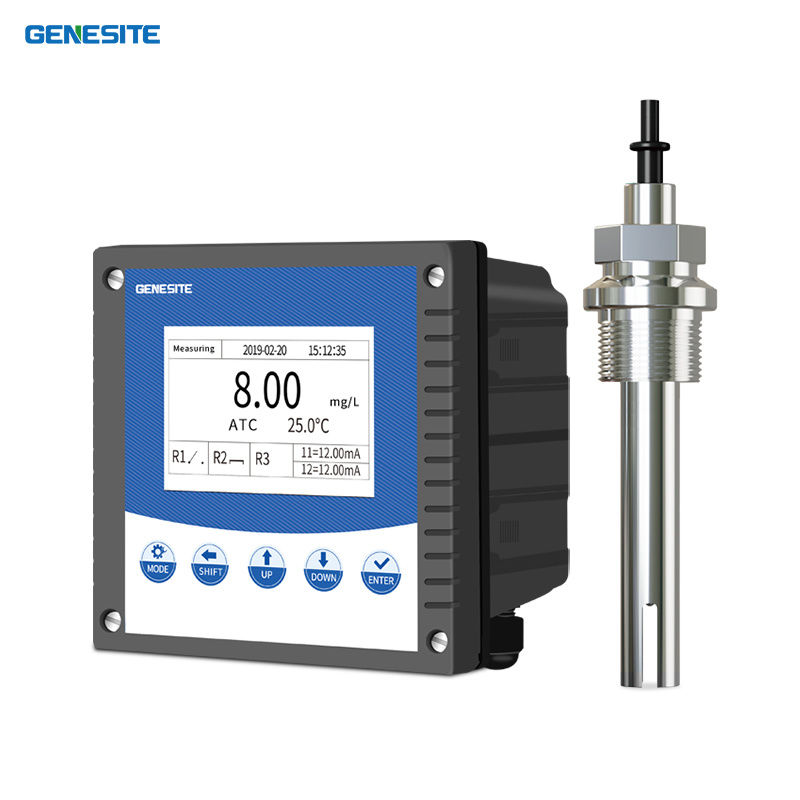
Innovations in Conductivity Analyzers: Trends You Should Know
Conductivity analyzers play a pivotal role in the automotive sector, particularly concerning diagnostics and maintenance. With technological advancements shaping the landscape of automotive repair equipment, we are witnessing significant innovations in conductivity analyzers. This article will explore these innovations, highlighting trends that are essential for automotive professionals and enthusiasts alike.
Table of Contents
- Understanding Conductivity Analyzers
- The Role of Conductivity in Automotive Diagnostics
- Emerging Technologies in Conductivity Analyzers
- Trends Shaping the Future of Conductivity Analyzers
- Benefits of Modern Conductivity Analyzers
- Applications in the Automotive Industry
- Best Practices for Using Conductivity Analyzers
- Frequently Asked Questions
- Conclusion
Understanding Conductivity Analyzers
Conductivity analyzers are instruments that measure the conductivity of fluids, which is a critical parameter in evaluating the quality of automotive coolants, engine oils, and other fluids. By determining the ionic content of these fluids, technicians can identify issues before they escalate, leading to preventive maintenance that saves time and reduces costs.
How Conductivity Relates to Fluid Quality
The conductivity of a fluid is directly related to its ion content. For instance, high conductivity in coolant can indicate contamination, which may lead to engine overheating or failure if not addressed. Therefore, understanding how to effectively use conductivity analyzers is vital for maintaining vehicle performance and longevity.
The Role of Conductivity in Automotive Diagnostics
In the automotive industry, conductivity measurements serve as an early warning system for potential issues. The ability to analyze fluid conductivity allows technicians to:
- **Identify Contaminants**: Early detection of impurities helps prevent significant engine damage.
- **Monitor Fluid Degradation**: Regular analysis ensures that fluids remain within performance specifications.
- **Enhance Maintenance Schedules**: By understanding fluid performance, shops can tailor maintenance schedules for different vehicle types.
Real-World Applications of Conductivity Testing
Conductivity testing finds its application across various automotive scenarios, including:
- **Coolant Analysis**: Ensuring that the coolant maintains its protective qualities against corrosion and overheating.
- **Battery Fluid Monitoring**: Testing the electrolyte levels in batteries to ensure optimal performance.
- **Fuel Quality Assessment**: Monitoring fuel for contaminants that could impair engine operation.
Emerging Technologies in Conductivity Analyzers
With the rapid advancement of technology, modern conductivity analyzers are becoming more sophisticated. Key innovations include:
Smart Conductivity Meters
Smart conductivity meters equipped with Bluetooth or Wi-Fi connectivity allow technicians to monitor and analyze fluid conductivity data in real-time. These devices can sync with mobile applications, enabling detailed reporting and trend analysis.
Automated Calibration Features
Many new conductivity analyzers come with automated calibration features, which reduce the time and effort required for maintenance. This ensures consistent and accurate readings, enhancing the reliability of diagnostics.
Integration with Diagnostic Software
Modern analyzers often integrate seamlessly with advanced automotive diagnostic software, allowing for streamlined data analysis. This integration helps technicians make informed decisions based on comprehensive data sets.
Trends Shaping the Future of Conductivity Analyzers
As the automotive industry evolves, several key trends are emerging in the development of conductivity analyzers:
Increased Focus on Sustainability
With the automotive industry moving towards sustainability, manufacturers are designing analyzers that are not only more efficient but also environmentally friendly. This includes using recyclable materials and reducing energy consumption.
Enhanced User Interfaces
User-friendly interfaces with touch screens and customizable settings are becoming standard in modern conductivity analyzers. This trend helps technicians operate the devices more effectively, improving workflow efficiency.
Portable and Compact Designs
The trend towards portability allows technicians to conduct tests in various locations, eliminating the need for extensive installations. Compact designs do not compromise performance, making them suitable for both workshop and field applications.
Benefits of Modern Conductivity Analyzers
Adopting the latest innovations in conductivity analyzers offers numerous advantages:
Accuracy and Reliability
Modern analyzers provide highly accurate readings, significantly reducing the risk of misdiagnosis. This reliability is crucial for maintaining the integrity of vehicle maintenance.
Cost Savings
By identifying issues early, technicians can prevent costly repairs down the line. The investment in modern conductivity analyzers pays off in reduced vehicle downtime and improved customer satisfaction.
Streamlined Operations
With automated features and seamless integration with diagnostic software, modern analyzers enhance operational efficiency. Technicians can focus more on diagnosis and repair rather than the management of data.
Applications in the Automotive Industry
The versatility of conductivity analyzers allows them to be used across various applications within the automotive industry.
Cooling System Maintenance
Regular testing of coolant systems enables technicians to ensure optimal performance and prevent overheating, a common issue in older vehicles.
Oil Quality Monitoring
Conductivity analyzers are vital in monitoring the quality of engine oil, ensuring that it remains effective in lubricating and protecting engine components.
Fuel System Diagnostics
By analyzing the conductivity of fuel, technicians can determine the presence of contaminants and make informed decisions regarding fuel system maintenance.
Best Practices for Using Conductivity Analyzers
To maximize the benefits of conductivity analyzers, follow these best practices:
Regular Calibration
Ensure that conductivity analyzers are calibrated regularly to maintain accuracy. Automated calibration features can simplify this process.
Maintain Clean Probes
Keep the probes clean and free from contaminants to ensure accurate readings. Regular maintenance of the analyzer itself is also essential.
Utilize Software Integration
Leverage diagnostic software integrations to analyze trends and generate reports. This data can be invaluable for preventive maintenance and customer communication.
Frequently Asked Questions
1. What is the primary function of a conductivity analyzer?
Conductivity analyzers measure the ionic content of fluids to assess their quality, which is crucial for automotive maintenance.
2. How often should I test fluids with a conductivity analyzer?
Regular testing is recommended, with frequency depending on the vehicle's usage and the specific fluids being monitored.
3. Can conductivity analyzers detect contamination?
Yes, conductivity analyzers can identify the presence of contaminants in fluids, providing early warnings for necessary maintenance.
4. Are modern conductivity analyzers user-friendly?
Many modern devices feature intuitive interfaces and automated functions, making them accessible even for technicians with limited experience.
5. What industries use conductivity analyzers besides automotive?
Conductivity analyzers are also used in industries such as pharmaceuticals, food processing, and environmental monitoring.
Conclusion
The advancements in conductivity analyzers are transforming the way automotive diagnostics are conducted. By understanding and leveraging these innovations, automotive professionals can enhance their diagnostic capabilities, ultimately leading to improved vehicle performance and customer satisfaction. The ongoing trends in technology and the focus on sustainability will shape the future of conductivity analyzers, making it essential for industry players to stay informed and adapt accordingly. Embracing these changes will not only optimize operations but also help in achieving long-term success in the automotive repair industry.
TAG:

Contact Us
E-mail :
andrew@genesit1.com
Phone:
+8615896508337
Address:
Chanhe Industrial Park,LuoYang City, Henan Province,China

SAF Coolest v1.3.1.2 设置面板 GAGSD-AGYF-JZZQE-ZAV
违禁词: 第一,最,一流,领先,独一无二,王者,龙头,领导者,极致,
无数据提示
Sorry,当前栏目正在更新中,敬请期待!
您可以查看其他栏目或返回 首页