GENESITE Environmental Protection Technology Co., Ltd.

Unlocking Precision: The Benefits of Customized COD Sensors for Enhanced Water Quality Monitoring
Nov 28,2025
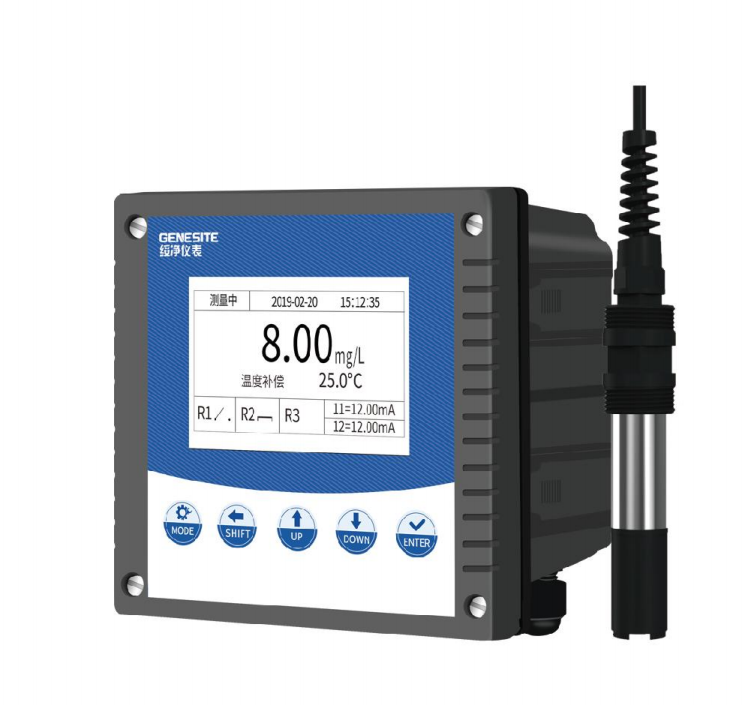
Unlocking Precision: The Benefits of Customized COD Sensors for Enhanced Water Quality Monitoring
In an era where water quality is more critical than ever, the demand for precise monitoring solutions has skyrocketed. Customized Chemical Oxygen Demand (COD) sensors are emerging as a game-changer in various industries, from wastewater treatment to environmental monitoring. These sensors not only provide accurate readings but also cater to specific needs, enhancing overall performance. In this article, we delve into the numerous benefits of customized COD sensors, their applications, and how they can revolutionize water quality monitoring.
Table of Contents
- What Are COD Sensors?
- The Importance of COD Sensors in Water Quality Monitoring
- Limitations of Standard COD Sensors
- Benefits of Customized COD Sensors
- Increased Accuracy and Precision
- Tailored Solutions for Specific Needs
- Enhanced Durability and Reliability
- Cost-Effectiveness
- Applications of Customized COD Sensors
- The Future of COD Sensors
- FAQs about Customized COD Sensors
- Conclusion
What Are COD Sensors?
Chemical Oxygen Demand (COD) sensors are devices used to measure the amount of oxygen that is required to chemically oxidize organic matter in water. This measurement is crucial for assessing the quality of water, particularly in wastewater treatment and environmental monitoring. The ability to accurately gauge COD levels enables industries to maintain compliance with environmental regulations and ensure the safety of water sources.
The Importance of COD Sensors in Water Quality Monitoring
The significance of COD monitoring cannot be overstated. COD values serve as an indicator of water pollution levels, providing insights into the health of aquatic ecosystems. High COD levels often indicate a substantial presence of organic pollutants, which can adversely affect aquatic life and human health. Therefore, reliable and precise COD measurements are essential for effective water management practices.
Limitations of Standard COD Sensors
While standard COD sensors serve their purpose, they often come with limitations that can hinder accurate water quality assessments. Common issues include:
- Limited Sensitivity: Standard sensors may not detect low concentrations of organic matter effectively.
- Calibration Challenges: Frequent calibration is required to maintain accuracy, which can be time-consuming.
- Environmental Interference: External factors such as temperature fluctuations can affect readings.
- One-Size-Fits-All Approach: Standard sensors may not cater to the unique needs of specific industries or applications.
Benefits of Customized COD Sensors
Increased Accuracy and Precision
One of the primary advantages of customized COD sensors is their ability to provide enhanced accuracy and precision. By tailoring the sensors to specific environmental conditions and requirements, users can expect more reliable readings. This not only improves monitoring efforts but also aids in making informed decisions regarding water management.
Tailored Solutions for Specific Needs
Different industries have unique requirements when it comes to water quality monitoring. Customized COD sensors can be designed to meet specific operational demands, ensuring that the solution fits perfectly within the existing infrastructure. Whether it’s for municipal wastewater treatment, industrial processes, or environmental monitoring, tailored sensors can address the specific challenges faced by each sector.
Enhanced Durability and Reliability
Customized sensors are often built with superior materials and technologies that enhance their durability and reliability. This means they can withstand harsh environmental conditions, including extreme temperatures and corrosive substances. By investing in robust sensors, industries can reduce maintenance costs and extend the lifespan of their monitoring equipment.
Cost-Effectiveness
While the initial investment in customized COD sensors may be higher than standard options, the long-term benefits often outweigh these costs. Enhanced accuracy leads to better compliance, reduced penalties, and optimized operational efficiency. Furthermore, the durability of customized sensors decreases the frequency of replacements and repairs, ultimately resulting in significant cost savings.
Applications of Customized COD Sensors
Customized COD sensors find numerous applications across different industries, including:
1. Wastewater Treatment
In wastewater treatment plants, accurate COD readings are essential for optimizing treatment processes. Customized sensors enable operators to monitor organic load fluctuations, ensuring efficient treatment and regulatory compliance.
2. Industrial Processes
Manufacturing industries that operate with organic materials can significantly benefit from customized COD sensors. By accurately measuring COD levels, companies can manage their effluent quality, minimizing environmental impact and adhering to quality standards.
3. Environmental Monitoring
Environmental agencies use customized COD sensors to monitor water bodies for pollution levels. These sensors help in assessing the impact of industrial discharges and stormwater runoff on the ecosystem.
4. Agricultural Applications
In agriculture, monitoring water quality is crucial for irrigation practices. Customized sensors can measure COD levels in irrigation water, ensuring that crops receive safe and clean water.
The Future of COD Sensors
The future of customized COD sensors looks promising, with continuous advancements in technology paving the way for more efficient monitoring solutions. Innovations such as IoT integration and real-time data analytics are expected to enhance the capabilities of COD sensors, providing users with instant insights into water quality. Additionally, as environmental regulations become more stringent, the demand for precise and customizable monitoring solutions will likely increase.
FAQs about Customized COD Sensors
1. What is the main advantage of using customized COD sensors?
The primary advantage of customized COD sensors is their ability to provide accurate and precise measurements tailored to specific applications and environmental conditions.
2. How do customized COD sensors improve cost-effectiveness?
Customized sensors reduce maintenance costs and improve monitoring efficiency, leading to better compliance and optimized operations, ultimately resulting in significant cost savings.
3. Can customized COD sensors be used for real-time monitoring?
Yes, many customized COD sensors are designed for real-time monitoring, providing instant data that helps in making immediate decisions regarding water quality management.
4. What industries can benefit from customized COD sensors?
Industries such as wastewater treatment, manufacturing, agriculture, and environmental monitoring can all benefit from customized COD sensors.
5. Are customized COD sensors more durable than standard sensors?
Typically, customized COD sensors are built with superior materials, making them more durable and reliable in harsh environmental conditions compared to standard sensors.
Conclusion
As water quality monitoring becomes increasingly vital in various sectors, the adoption of customized COD sensors offers a comprehensive solution to meet diverse needs. With their enhanced accuracy, tailored functionalities, and long-term cost benefits, these sensors are not just a technological advancement but a necessary investment for sustainable water management. By choosing customized solutions, industries can ensure they are equipped to face both current challenges and future demands in water quality monitoring.

Contact Us
E-mail :
andrew@genesit1.com
Phone:
+8615896508337
Address:
Chanhe Industrial Park,LuoYang City, Henan Province,China


SAF Coolest v1.3.1.2 设置面板 GAGSD-AGYF-JZZQE-ZAV
无数据提示
Sorry,当前栏目正在更新中,敬请期待!
您可以查看其他栏目或返回 首页