GENESITE Environmental Protection Technology Co., Ltd.

Unlocking Precision: The Role of China Calcium Ion Sensors in Modern Electronics
Dec 14,2025
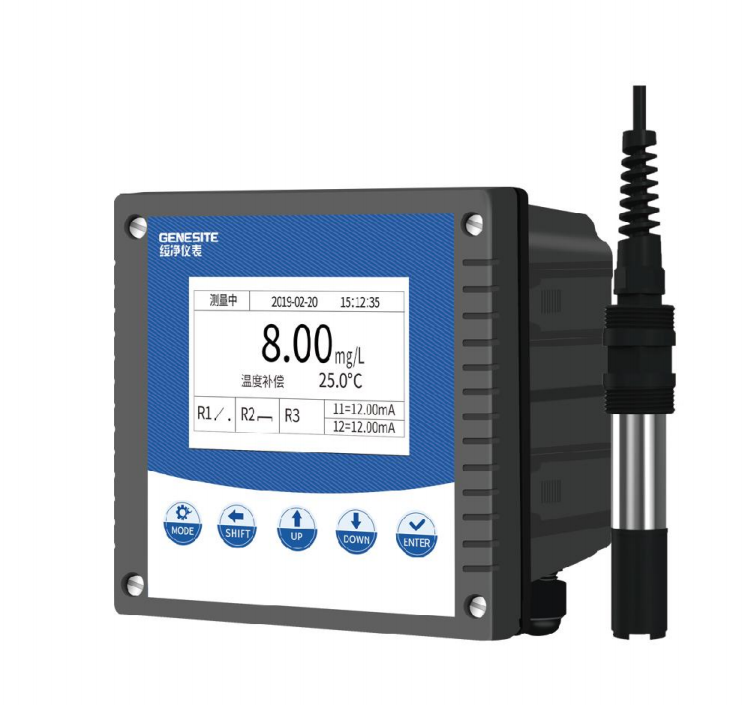
Unlocking Precision: The Role of China Calcium Ion Sensors in Modern Electronics
Table of Contents
- 1. Introduction to Calcium Ion Sensors
- 2. Understanding Calcium Ion Sensor Technology
- 3. Applications of Calcium Ion Sensors in Electronics
- 4. Benefits of Using Calcium Ion Sensors
- 5. Challenges in the Development of Calcium Ion Sensors
- 6. The Future of Calcium Ion Sensors in Modern Electronics
- 7. The Growth of Calcium Ion Sensors in the Chinese Market
- 8. Frequently Asked Questions (FAQs)
- 9. Conclusion
1. Introduction to Calcium Ion Sensors
In the landscape of modern electronics, precision is paramount. One of the most innovative tools contributing to this precision is the calcium ion sensor. These sensors, particularly those developed in China, are playing a crucial role in a variety of applications, from medical devices to environmental monitoring. As technology continues to evolve, calcium ion sensors are becoming more sophisticated, offering unprecedented accuracy and reliability.
2. Understanding Calcium Ion Sensor Technology
Calcium ion sensors operate on the principle of detecting calcium ions (Ca²⁺) in different environments. These sensors typically utilize ion-selective electrodes or optical methods to measure the concentration of calcium ions.
2.1 Ion-Selective Electrodes
Ion-selective electrodes (ISEs) are the most common type of calcium ion sensors. They consist of a membrane that selectively allows calcium ions to pass through while blocking other ions. This selectivity is crucial for obtaining accurate readings.
2.2 Optical Methods
Optical calcium sensors use fluorescence or absorbance techniques to measure calcium ion concentrations. These methods are prized for their sensitivity and ability to provide real-time monitoring.
3. Applications of Calcium Ion Sensors in Electronics
Calcium ion sensors find applications across various sectors, each leveraging their unique capabilities.
3.1 Medical Diagnostics
In the medical field, calcium ion sensors are essential for monitoring calcium levels in blood samples. Abnormal calcium levels can indicate various health issues, including bone disorders and cardiovascular diseases.
3.2 Environmental Monitoring
These sensors play a critical role in environmental science, where they are used to monitor calcium levels in water bodies. This monitoring is vital for assessing ecosystem health and the impact of pollutants.
3.3 Industrial Applications
Industries utilize calcium ion sensors for process control in manufacturing, particularly in the production of materials that require precise calcium levels.
4. Benefits of Using Calcium Ion Sensors
The adoption of calcium ion sensors comes with numerous advantages that enhance their appeal in modern technology.
4.1 High Accuracy
One of the most significant benefits is the high accuracy these sensors provide. This precision is vital for applications where even slight variations in calcium levels can lead to significant consequences.
4.2 Real-Time Monitoring
Many calcium ion sensors allow for real-time monitoring, enabling immediate data collection and analysis. This capability is crucial in dynamic environments where conditions can change rapidly.
4.3 Versatility
Calcium ion sensors can be adapted for various applications, making them versatile tools in both scientific research and industrial processes.
5. Challenges in the Development of Calcium Ion Sensors
Despite their advantages, the development of calcium ion sensors is not without challenges.
5.1 Sensitivity Issues
While many sensors are designed to be highly sensitive, they can still face challenges in detecting low concentrations of calcium ions in complex mixtures.
5.2 Calibration and Maintenance
Regular calibration and maintenance are required to ensure long-term accuracy. This need can impose additional costs and operational burdens on end-users.
6. The Future of Calcium Ion Sensors in Modern Electronics
The future of calcium ion sensors appears bright, with advancements in technology driving innovation.
6.1 Integration with IoT
The integration of calcium ion sensors with the Internet of Things (IoT) is set to revolutionize their application. Real-time data transmission and connectivity will enable smarter monitoring solutions across various sectors.
6.2 Enhanced Materials
Research into new materials for sensor construction is ongoing. These advancements aim to improve sensor performance and durability, extending their lifespan and reliability.
7. The Growth of Calcium Ion Sensors in the Chinese Market
China is quickly becoming a leading manufacturer of calcium ion sensors, significantly impacting the global market.
7.1 Investment in R&D
Chinese companies are investing heavily in research and development, driving innovation and enhancing sensor capabilities.
7.2 Export Opportunities
The growing demand for high-quality sensors worldwide presents significant export opportunities for Chinese manufacturers, allowing them to expand their market reach.
8. Frequently Asked Questions (FAQs)
8.1 What are calcium ion sensors used for?
Calcium ion sensors are primarily used for monitoring calcium levels in medical diagnostics, environmental studies, and industrial applications.
8.2 How do calcium ion sensors work?
These sensors typically work by measuring the concentration of calcium ions using ion-selective electrodes or optical methods to provide accurate data.
8.3 Are calcium ion sensors expensive to maintain?
While they may require regular calibration and maintenance, their long-term benefits often outweigh these costs.
8.4 Can calcium ion sensors be integrated with other technologies?
Yes, calcium ion sensors can be integrated with IoT and other technologies for enhanced data collection and monitoring.
8.5 What is the future of calcium ion sensor technology?
The future includes advancements in sensor materials, sensitivity improvements, and integration with smart technologies for real-time monitoring.
9. Conclusion
China's calcium ion sensors are at the forefront of precision measurement in modern electronics. Their diverse applications, coupled with continuous advancements in technology, position them as vital tools in various industries. As we look ahead, the future of calcium ion sensors promises even greater innovation and integration, ensuring they remain essential in our increasingly data-driven world. The benefits they offer, from high accuracy to real-time monitoring capabilities, make them indispensable in the quest for precision in modern electronics.
TAG:
PREVIOUS:

Contact Us
E-mail :
andrew@genesit1.com
Phone:
+8615896508337
Address:
Chanhe Industrial Park,LuoYang City, Henan Province,China

SAF Coolest v1.3.1.2 设置面板 GAGSD-AGYF-JZZQE-ZAV
违禁词: 第一,最,一流,领先,独一无二,王者,龙头,领导者,极致,
无数据提示
Sorry,当前栏目正在更新中,敬请期待!
您可以查看其他栏目或返回 首页