GENESITE Environmental Protection Technology Co., Ltd.

Unlocking the Future: Customized COD Sensors for Enhanced Water Quality Monitoring
Jan 06,2026
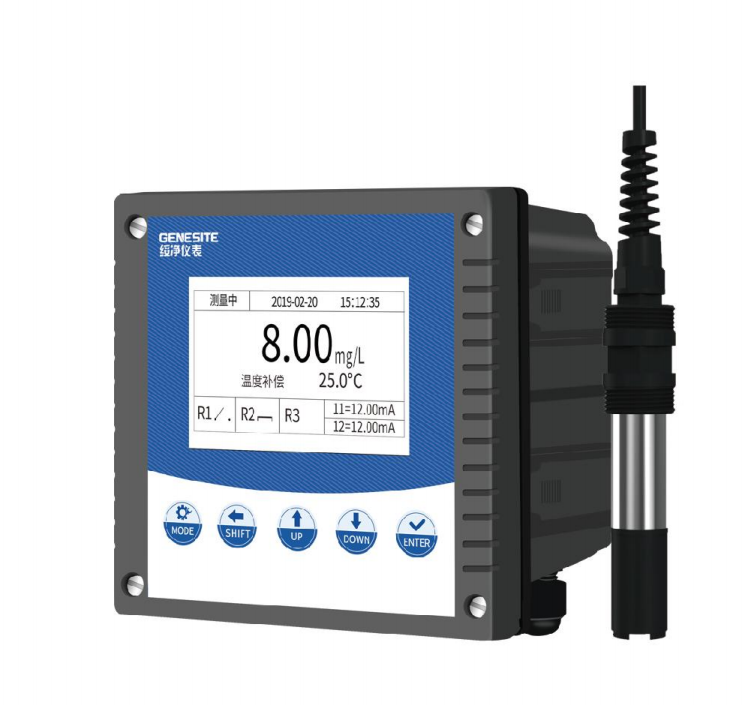
In the realm of environmental monitoring, the significance of water quality cannot be overstated. One of the critical parameters in assessing water quality is Chemical Oxygen Demand (COD), which measures the amount of oxygen that microorganisms will consume while decomposing organic matter. Customized COD sensors are at the forefront of this assessment, providing tailored solutions that meet the unique needs of various industries.
Customized COD sensors offer numerous benefits over off-the-shelf options. For starters, they can be designed to cater to specific environmental conditions or operational requirements. Factors such as temperature, pressure, and the types of contaminants present in the water can influence sensor performance. By customizing sensors, manufacturers can enhance their accuracy and longevity, ensuring reliable measurement in diverse settings, from industrial wastewater treatment plants to remote field locations.
Another significant advantage of customized COD sensors is their integration capabilities. In today's interconnected world, the ability to integrate sensors with IoT (Internet of Things) platforms is crucial. Customized sensors can be equipped with communication protocols that allow for real-time data transmission. This feature enables instant monitoring and analysis, ensuring that stakeholders can make informed decisions based on the latest water quality data. Whether it’s for regulatory compliance, process control, or environmental protection, having immediate access to accurate information is invaluable.
Moreover, the customization process can also involve the development of user-friendly interfaces. Many professionals in the field require easy-to-read outputs and straightforward data management systems. Customized COD sensors can be designed to deliver data in formats that are most suitable for their users, including visual displays or digital dashboards, enhancing usability and efficiency.
In addition to technical specifications, manufacturers can also consider the aesthetic and ergonomic aspects of the sensors. A well-designed sensor not only performs efficiently but is also easy to handle and install, which is essential in many industrial applications. Customization can extend to the physical form factor of the sensor, allowing for better fitment into existing systems or environments.
Ultimately, the move towards customized COD sensors reflects a broader trend in the electronics industry towards personalization and specificity. As businesses and environmental regulations evolve, so too must the tools we use to monitor and manage our natural resources. Customized solutions are becoming essential in ensuring that we can maintain water quality standards effectively. By investing in tailored COD sensors, organizations can enhance their operational capabilities, ensure compliance, and promote sustainability, making a significant impact on the health of our water systems.
Customized COD sensors offer numerous benefits over off-the-shelf options. For starters, they can be designed to cater to specific environmental conditions or operational requirements. Factors such as temperature, pressure, and the types of contaminants present in the water can influence sensor performance. By customizing sensors, manufacturers can enhance their accuracy and longevity, ensuring reliable measurement in diverse settings, from industrial wastewater treatment plants to remote field locations.
Another significant advantage of customized COD sensors is their integration capabilities. In today's interconnected world, the ability to integrate sensors with IoT (Internet of Things) platforms is crucial. Customized sensors can be equipped with communication protocols that allow for real-time data transmission. This feature enables instant monitoring and analysis, ensuring that stakeholders can make informed decisions based on the latest water quality data. Whether it’s for regulatory compliance, process control, or environmental protection, having immediate access to accurate information is invaluable.
Moreover, the customization process can also involve the development of user-friendly interfaces. Many professionals in the field require easy-to-read outputs and straightforward data management systems. Customized COD sensors can be designed to deliver data in formats that are most suitable for their users, including visual displays or digital dashboards, enhancing usability and efficiency.
In addition to technical specifications, manufacturers can also consider the aesthetic and ergonomic aspects of the sensors. A well-designed sensor not only performs efficiently but is also easy to handle and install, which is essential in many industrial applications. Customization can extend to the physical form factor of the sensor, allowing for better fitment into existing systems or environments.
Ultimately, the move towards customized COD sensors reflects a broader trend in the electronics industry towards personalization and specificity. As businesses and environmental regulations evolve, so too must the tools we use to monitor and manage our natural resources. Customized solutions are becoming essential in ensuring that we can maintain water quality standards effectively. By investing in tailored COD sensors, organizations can enhance their operational capabilities, ensure compliance, and promote sustainability, making a significant impact on the health of our water systems.
TAG:

Contact Us
E-mail :
andrew@genesit1.com
Phone:
+8615896508337
Address:
Chanhe Industrial Park,LuoYang City, Henan Province,China


SAF Coolest v1.3.1.2 设置面板 GAGSD-AGYF-JZZQE-ZAV
违禁词: 第一,最,一流,领先,独一无二,王者,龙头,领导者,极致,
无数据提示
Sorry,当前栏目正在更新中,敬请期待!
您可以查看其他栏目或返回 首页