GENESITE Environmental Protection Technology Co., Ltd.

How Turbidity Detectors Revolutionize Water Quality Assessment: Insights from Leading Exporters
Jan 29,2026
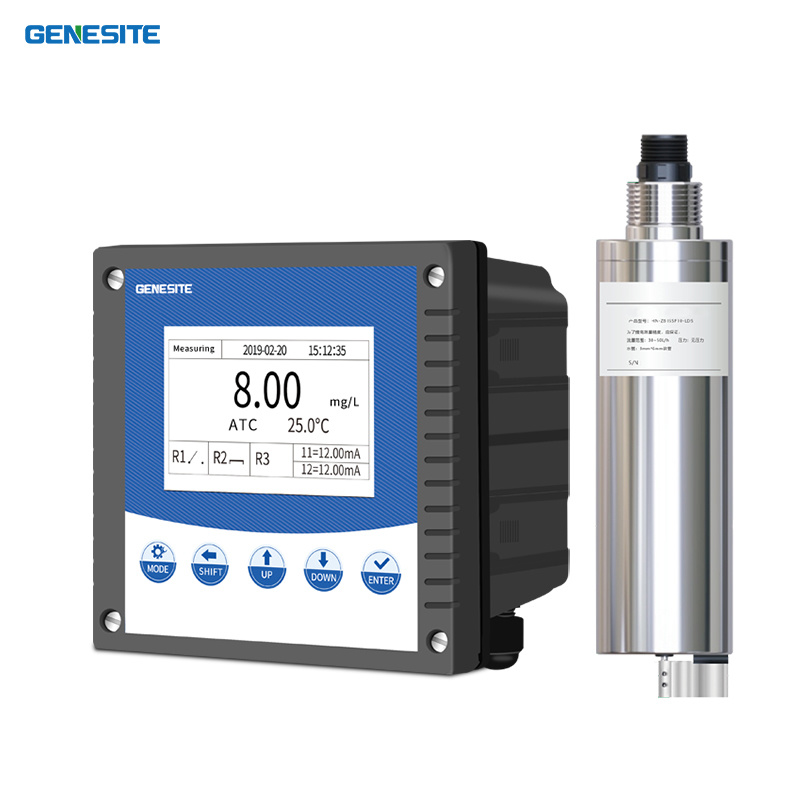
How Turbidity Detectors Revolutionize Water Quality Assessment: Insights from Leading Exporters
In the ever-evolving field of environmental monitoring, turbidity detectors stand out as crucial tools for assessing water quality. These instruments not only provide precise measurements of water clarity but also play a significant role in ensuring the safety and sustainability of water resources. In this article, we will explore how turbidity detectors improve water quality assessment, focusing on valuable insights gathered from exporters and industry experts. We will cover their functionality, importance in various sectors, advancements in technology, and the future of water quality monitoring.
Table of Contents
- Understanding Turbidity: The Basics
- The Importance of Water Quality Assessment
- The Role of Turbidity Detectors in Water Quality
- How Turbidity Detectors Work: A Technical Overview
- Applications of Turbidity Detection in Various Industries
- Latest Technological Advancements in Turbidity Detection
- Insights from Exporters: Key Trends in Turbidity Detection
- The Future of Water Quality Assessment and Turbidity Detectors
- Frequently Asked Questions
Understanding Turbidity: The Basics
Turbidity refers to the cloudiness or haziness of a fluid caused by large numbers of individual particles that are generally invisible to the naked eye. In water bodies, turbidity can result from sediment, algae, or pollutants. High turbidity levels can indicate the presence of harmful contaminants, which is why monitoring this parameter is crucial for water quality assessment. By understanding turbidity, we can gain insights into the health of aquatic ecosystems and the potability of drinking water.
The Importance of Water Quality Assessment
Water quality assessment is vital for public health, environmental protection, and sustainable resource management. Monitoring water quality helps prevent waterborne diseases, preserves biodiversity, and ensures safe drinking water. Regulatory agencies often require consistent testing and reporting, making effective tools like turbidity detectors essential for meeting these standards.
Public Health and Safety
Waterborne diseases pose a significant risk to public health, especially in developing regions. By regularly assessing water quality and turbidity levels, health authorities can identify contaminated sources and take necessary actions to protect communities. This proactive approach reduces the incidence of illnesses caused by polluted water.
Environmental Protection
Maintaining the ecological balance of water bodies is crucial for biodiversity. High turbidity can disrupt aquatic life, affecting species that rely on clear water for survival. By utilizing turbidity detectors, environmental agencies can monitor changes in water quality and implement conservation measures when necessary.
The Role of Turbidity Detectors in Water Quality
Turbidity detectors are specialized instruments designed to measure the amount of suspended particles in water, which is crucial in evaluating its quality. These devices provide real-time data that helps stakeholders make informed decisions regarding water management. By quantifying turbidity, we can determine the clarity of water, which correlates with its safety for consumption and ecological health.
Real-time Monitoring
One of the primary advantages of turbidity detectors is their ability to provide immediate readings. This real-time data allows water treatment facilities and environmental agencies to respond quickly to fluctuations in water quality, making it easier to implement corrective measures promptly.
Compliance with Regulations
Many countries have established strict regulations governing water quality. Turbidity detectors help organizations comply with these standards by ensuring consistent monitoring and reporting of turbidity levels. This compliance not only safeguards public health but also fosters trust within communities.
How Turbidity Detectors Work: A Technical Overview
Turbidity detectors use light to measure the scattering of particles suspended in water. Generally, the device emits a beam of light that passes through the water sample. As the light encounters particles, it scatters in different directions. The degree of scattering is directly proportional to the turbidity of the water, allowing the detector to quantify it accurately.
Types of Turbidity Detectors
There are several types of turbidity detectors, each with distinct advantages:
- Laboratory Turbidity Meters: Highly accurate and used for comprehensive water quality testing.
- Portable Turbidity Meters: Ideal for fieldwork, enabling on-site assessment of water quality.
- Online Turbidity Sensors: Installed in water treatment plants for continuous monitoring of turbidity levels.
Applications of Turbidity Detection in Various Industries
Turbidity detectors find applications across multiple sectors, reflecting their versatility and importance in water quality monitoring.
Water Treatment Facilities
Water treatment plants rely on turbidity detectors to monitor the effectiveness of purification processes. By measuring turbidity before and after treatment, facility operators can assess the performance of filtration systems and chemical treatments, ensuring safe drinking water.
Agriculture
Irrigation systems also benefit from turbidity detection. High turbidity levels in irrigation water can affect soil quality and crop health. Farmers use turbidity detectors to ensure that the water used in irrigation is clear and free from harmful particles.
Environmental Research
Researchers studying aquatic ecosystems utilize turbidity detectors to monitor changes in water quality over time. This data enhances our understanding of environmental impacts due to pollution, climate change, and land development.
Latest Technological Advancements in Turbidity Detection
The field of turbidity detection is witnessing rapid advancements driven by technology. Modern detectors are becoming smarter, more efficient, and user-friendly.
Integration with IoT
The integration of Internet of Things (IoT) technology into turbidity detectors allows for remote monitoring and data collection. Operators can access real-time data from anywhere, facilitating quicker decision-making and responsiveness to water quality issues.
Enhanced Accuracy and Sensitivity
Recent models of turbidity detectors feature improved optical sensors that enhance accuracy and sensitivity. These advancements ensure that even low turbidity levels can be detected, providing a more comprehensive understanding of water quality.
Insights from Exporters: Key Trends in Turbidity Detection
Exporters play a vital role in the distribution and development of turbidity detection technology. Their insights can shed light on current trends and future directions in the industry.
Market Demand and Growth
There is an increasing global demand for advanced water quality monitoring solutions, driven by heightened awareness of environmental issues and stricter regulations. Exporters are responding to this demand by offering innovative turbidity detection systems that meet international standards.
Collaborations and Partnerships
Exporters are forming collaborations with technology companies to develop cutting-edge turbidity detectors. These partnerships foster innovation, leading to the creation of more efficient and reliable monitoring solutions.
The Future of Water Quality Assessment and Turbidity Detectors
The future of water quality assessment is bright, with turbidity detectors poised to play an even more significant role in environmental monitoring. As technology continues to advance, we can expect:
Increased Automation
The automation of water quality monitoring will streamline operations in various sectors. Automated turbidity detectors will reduce human intervention, minimizing the chances of errors and improving data accuracy.
Global Standardization
As water quality regulations evolve, there will likely be a push for global standardization of turbidity detection methods. This standardization will ensure consistent and reliable monitoring practices across borders.
Frequently Asked Questions
1. What causes high turbidity in water?
High turbidity can result from various factors, including sediment runoff, algal blooms, and pollution from industrial discharges.
2. How does turbidity affect aquatic life?
High turbidity can reduce light penetration in water, affecting photosynthesis in aquatic plants and disrupting the feeding and breeding of fish and other organisms.
3. Can turbidity detectors be used for wastewater monitoring?
Yes, turbidity detectors are widely used in wastewater treatment facilities to monitor the quality of effluent and ensure compliance with environmental regulations.
4. How often should turbidity levels be monitored?
The frequency of turbidity monitoring depends on the specific context, but regular testing is essential in water treatment facilities and areas prone to pollution.
5. What is the difference between turbidity and total suspended solids (TSS)?
Turbidity measures the cloudiness of water, while TSS quantifies the total mass of suspended particles. While related, they measure different aspects of water quality.
Conclusion
Turbidity detectors serve as indispensable tools in the quest for maintaining water quality. Their ability to provide real-time data and enhance compliance with regulations makes them vital for public health and environmental sustainability. As technology continues to advance, the role of turbidity detectors will only become more pivotal in safeguarding our water resources. By staying informed about innovations and trends in turbidity detection, stakeholders can better contribute to a cleaner and safer water future.
PREVIOUS:

Contact Us
E-mail :
andrew@genesit1.com
Phone:
+8615896508337
Address:
Chanhe Industrial Park,LuoYang City, Henan Province,China


SAF Coolest v1.3.1.2 设置面板 GAGSD-AGYF-JZZQE-ZAV
无数据提示
Sorry,当前栏目正在更新中,敬请期待!
您可以查看其他栏目或返回 首页