GENESITE Environmental Protection Technology Co., Ltd.

Enhancing Vehicle Performance: The Role of Conductivity Analyzers in Fluid Quality Assessment
Feb 06,2026
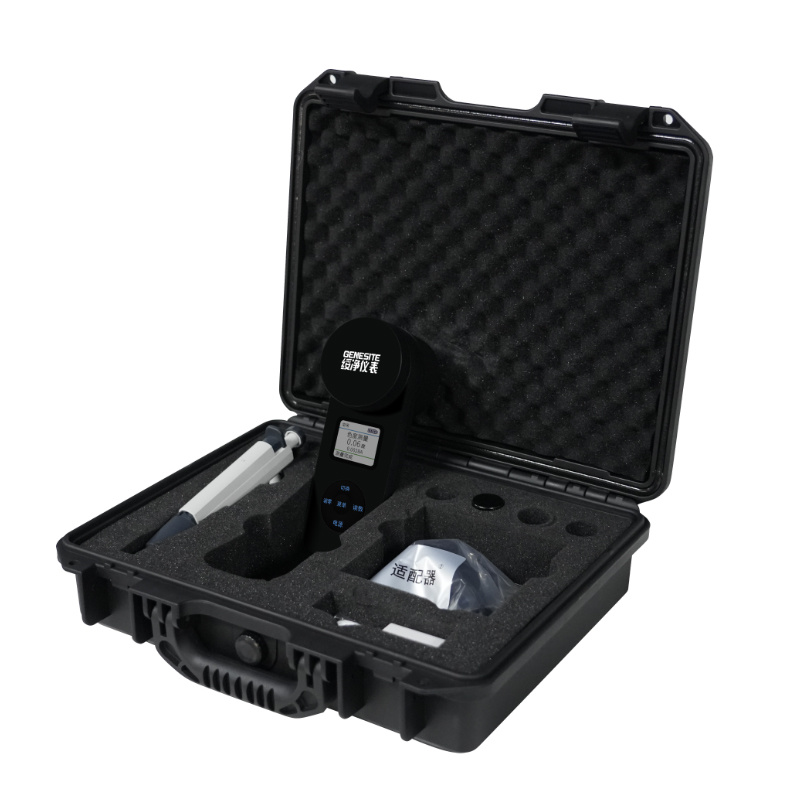
Enhancing Vehicle Performance: The Role of Conductivity Analyzers in Fluid Quality Assessment
Table of Contents
- 1. Introduction to Conductivity and Fluid Quality in Vehicles
- 2. Understanding Conductivity in Automotive Fluids
- 3. The Importance of Fluid Quality for Vehicle Performance
- 4. Analyzers in Automotive Diagnostics: An Overview
- 5. How Conductivity Analyzers Work
- 6. Benefits of Using Conductivity Analyzers in Vehicle Maintenance
- 7. Case Studies and Real-World Applications
- 8. Future Trends in Fluid Analysis Technology
- 9. Frequently Asked Questions
- 10. Conclusion
1. Introduction to Conductivity and Fluid Quality in Vehicles
In today’s automotive landscape, the efficiency and longevity of vehicles heavily depend on the quality of fluids utilized within them. **Conductivity** plays a pivotal role in assessing fluid quality, particularly in cooling systems, fuel systems, and lubricants. As vehicles become increasingly advanced, utilizing sophisticated **analyzers** to monitor conductivity has become essential. This article explores how these devices contribute to improved fluid quality and, consequently, vehicle performance.
2. Understanding Conductivity in Automotive Fluids
**Conductivity** measures a fluid's ability to conduct electric current, which is influenced by the presence of ions in the fluid. The higher the concentration of ions, the greater the conductivity. In automotive fluids, conductivity can indicate contamination, degradation, or the presence of unwanted substances. For instance, coolant with elevated conductivity levels may suggest the presence of rust or other metal ions, which can compromise the cooling system's efficiency.
2.1 Types of Automotive Fluids
Understanding the various types of fluids utilized in vehicles is crucial for effective analysis. Common automotive fluids include:
- **Engine oil**
- **Transmission fluid**
- **Coolant**
- **Brake fluid**
- **Windshield washer fluid**
Each fluid type serves a specific function and has unique conductivity characteristics, making targeted analysis vital.
3. The Importance of Fluid Quality for Vehicle Performance
Fluid quality directly correlates with vehicle performance, safety, and reliability. Poor quality fluids can lead to decreased efficiency, increased wear and tear, and even catastrophic failures. Regular monitoring of fluid conductivity helps maintain optimal conditions, ensuring that the fluids perform their intended functions effectively.
3.1 Efficiency and Fuel Economy
Properly maintained fluids contribute to better fuel economy. For example, clean engine oil reduces friction, allowing the engine to operate more efficiently, while effective coolant management prevents overheating.
3.2 Safety and Reliability
Maintaining high-quality fluids is essential for safety. Contaminated brake fluid can lead to brake failure, while degraded coolant may cause severe engine damage. Conductivity analysis helps identify potential issues before they escalate, ensuring vehicle reliability.
4. Analyzers in Automotive Diagnostics: An Overview
Analyzers are essential tools in modern automotive diagnostics, allowing technicians to assess fluid quality accurately. Various types of analyzers are available, each designed to measure conductivity and other attributes of automotive fluids.
4.1 Types of Analyzers
- **Portable Conductivity Meters**: Ideal for on-site assessments, these meters provide quick and accurate conductivity readings.
- **In-line Monitoring Systems**: These systems continuously monitor fluid conductivity, providing real-time data and alerts for any abnormalities.
- **Laboratory Analyzers**: Used for more detailed analysis, laboratory systems can measure conductivity alongside other physical and chemical properties of fluids.
5. How Conductivity Analyzers Work
Conductivity analyzers operate on the principle of measuring the electrical resistance of a fluid. When an electric current passes through a fluid, the ions present allow the current to flow, with the measured conductivity directly correlating to the ions' concentration. Here's a breakdown of how these analyzers function:
5.1 Calibration and Setup
Before use, analyzers must be calibrated according to manufacturer specifications. This initial setup ensures accurate readings.
5.2 Measuring Conductivity
Once calibrated, the analyzer is immersed in the fluid sample. The device sends a small electrical current through the fluid. The conductivity meter then measures the current and translates it into a conductivity value.
5.3 Interpreting Results
Analyzers typically provide readings in microsiemens per centimeter (µS/cm). These values can be compared to manufacturer specifications for the specific fluid type to determine its quality.
6. Benefits of Using Conductivity Analyzers in Vehicle Maintenance
Integrating conductivity analyzers into routine vehicle maintenance offers numerous advantages:
6.1 Early Detection of Issues
Regular conductivity checks enable technicians to identify potential fluid contamination or degradation early, allowing for timely interventions that prevent costly repairs.
6.2 Improved Maintenance Scheduling
With accurate data on fluid quality, vehicle maintenance can be scheduled more effectively, aligning with actual fluid condition rather than arbitrary time intervals.
6.3 Enhanced Performance Monitoring
Conductivity analyzers provide valuable insights into fluid performance, enabling better management of fluid usage and replacement, ultimately enhancing overall vehicle performance.
7. Case Studies and Real-World Applications
Numerous case studies demonstrate the value of conductivity analyzers in maintaining vehicle fluid quality. For instance, a fleet management company implemented conductivity testing for their vehicles and reported a **20% reduction in unexpected breakdowns** due to early detection of fluid issues.
7.1 Success in Automotive Manufacturing
An automotive manufacturer integrated in-line conductivity monitoring in their production process, resulting in improved quality control and a significant decrease in warranty claims related to fluid failures.
7.2 Performance in Racing Applications
In motorsport, teams utilize conductivity analyzers to ensure optimal fluid quality, contributing to peak engine performance and reliability under extreme conditions.
8. Future Trends in Fluid Analysis Technology
The future of fluid analysis is promising, with advancements in technology paving the way for more efficient and accurate analysis methods.
8.1 Integration with IoT
The integration of conductivity analyzers with **Internet of Things (IoT)** technology allows for real-time data monitoring and analysis, enabling proactive maintenance strategies.
8.2 Artificial Intelligence in Analysis
AI algorithms can analyze conductivity data alongside other vehicle performance metrics to provide predictive insights, helping technicians make informed maintenance decisions.
9. Frequently Asked Questions
What is conductivity in automotive fluids?
Conductivity measures a fluid's ability to conduct electric current, indicating the presence of ions, which can reveal fluid contamination or degradation.
How often should I check the conductivity of vehicle fluids?
Regular checks are recommended, especially in critical systems like coolant and brake fluid. Timing can depend on usage patterns, but quarterly checks are a good benchmark.
Do conductivity analyzers work for all types of fluids?
Yes, conductivity analyzers can be calibrated and used to test various automotive fluids, including engine oil, transmission fluid, and coolant.
Can I use a conductivity meter for home automotive maintenance?
Absolutely! Portable conductivity meters are user-friendly and can help DIY enthusiasts monitor fluid quality effectively.
What are the signs that my vehicle fluids may be contaminated?
Signs include unusual smells, discoloration, or increased conductivity readings, which can indicate the presence of contaminants.
10. Conclusion
Conductivity analyzers play a vital role in maintaining the quality of automotive fluids, directly impacting vehicle performance, safety, and longevity. By regularly assessing fluid conductivity, vehicle owners and technicians can ensure optimal fluid conditions, leading to proactive maintenance strategies and enhanced reliability. As technology continues to evolve, the integration of advanced analyzers into vehicle diagnostics will further improve our understanding and management of fluid quality, driving the automotive industry toward greater efficiency and sustainability.
TAG:

Contact Us
E-mail :
andrew@genesit1.com
Phone:
+8615896508337
Address:
Chanhe Industrial Park,LuoYang City, Henan Province,China


SAF Coolest v1.3.1.2 设置面板 GAGSD-AGYF-JZZQE-ZAV
违禁词: 第一,最,一流,领先,独一无二,王者,龙头,领导者,极致,
无数据提示
Sorry,当前栏目正在更新中,敬请期待!
您可以查看其他栏目或返回 首页