GENESITE Environmental Protection Technology Co., Ltd.

Understanding Turbidity Detectors: An Essential Tool for Environmental Monitoring
Mar 06,2026
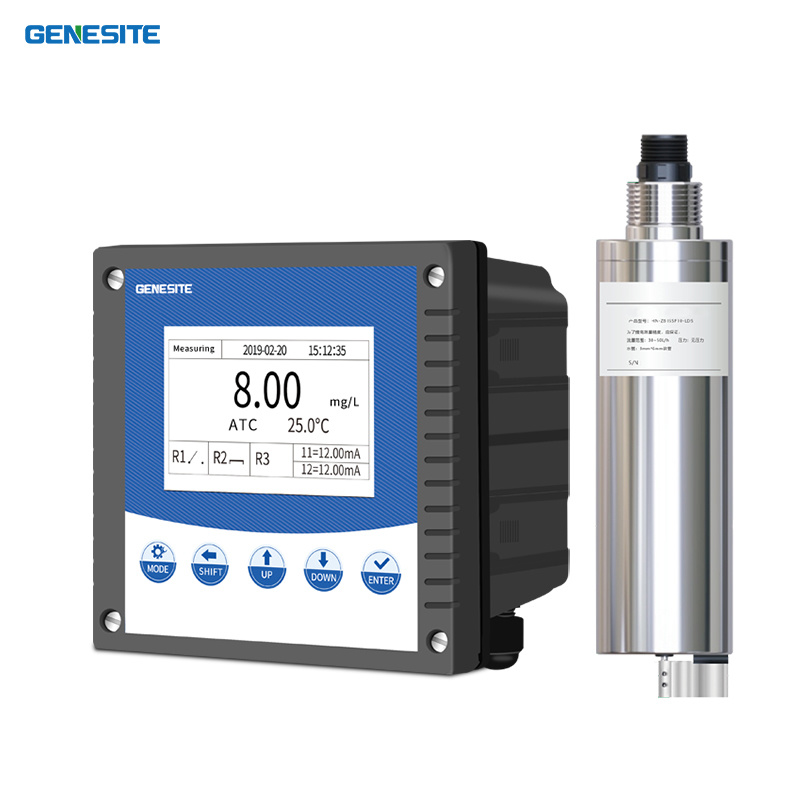
Turbidity detectors play a critical role in assessing water quality, measuring the cloudiness or haziness of a liquid caused by suspended particles. This measurement is essential, as it provides valuable insights into the presence of pollutants, sediments, and microorganisms in various water bodies. In the context of environmental monitoring, the use of turbidity detectors has become increasingly prominent, prompting a growing demand for exporters who specialize in providing these essential instruments.
The primary function of a turbidity detector is to quantify the turbidity level, often measured in Nephelometric Turbidity Units (NTU). High turbidity levels can indicate contamination or the presence of harmful substances, making it imperative for industries, municipalities, and environmental agencies to monitor water quality consistently. By utilizing advanced turbidity detection technology, organizations can ensure compliance with environmental regulations, safeguard public health, and protect aquatic ecosystems.
Exporters of turbidity detectors are vital in ensuring that these instruments are accessible to various industries and sectors that require accurate water quality assessments. These exporters often provide a variety of turbidity detection solutions, ranging from portable handheld devices to sophisticated in-line monitoring systems designed for continuous evaluation. Each type of detector may incorporate different technologies, such as laser scattering or infrared light, to provide precise measurements under diverse conditions.
In addition to their importance in water quality monitoring, turbidity detectors also have applications in various other fields, including food and beverage manufacturing, pharmaceuticals, and wastewater treatment. In these sectors, maintaining optimal turbidity levels is crucial for product quality and safety, further enhancing the demand for reliable turbidity detection solutions.
The role of a turbidity detector exporter extends beyond merely supplying instruments; they often provide essential support services such as calibration, maintenance, and training on the proper use of these devices. This ensures that end-users are equipped with the knowledge and tools necessary to effectively monitor and manage water quality.
As environmental concerns continue to rise globally, the importance of turbidity detectors cannot be overstated. With the increasing awareness of water pollution and its impact on human health and the environment, the demand for accurate turbidity measurement will only continue to grow. Consequently, turbidity detector exporters play a crucial role in facilitating the broader adoption of these instruments, ultimately contributing to improved environmental protection and public health initiatives.
In conclusion, turbidity detectors serve as an indispensable tool for environmental monitoring. The role of exporters in this sector is to provide accessible, reliable, and advanced turbidity detection solutions that empower various industries to maintain water quality and promote environmental sustainability. By understanding the significance of these instruments, stakeholders can make informed decisions that contribute to a healthier planet.
The primary function of a turbidity detector is to quantify the turbidity level, often measured in Nephelometric Turbidity Units (NTU). High turbidity levels can indicate contamination or the presence of harmful substances, making it imperative for industries, municipalities, and environmental agencies to monitor water quality consistently. By utilizing advanced turbidity detection technology, organizations can ensure compliance with environmental regulations, safeguard public health, and protect aquatic ecosystems.
Exporters of turbidity detectors are vital in ensuring that these instruments are accessible to various industries and sectors that require accurate water quality assessments. These exporters often provide a variety of turbidity detection solutions, ranging from portable handheld devices to sophisticated in-line monitoring systems designed for continuous evaluation. Each type of detector may incorporate different technologies, such as laser scattering or infrared light, to provide precise measurements under diverse conditions.
In addition to their importance in water quality monitoring, turbidity detectors also have applications in various other fields, including food and beverage manufacturing, pharmaceuticals, and wastewater treatment. In these sectors, maintaining optimal turbidity levels is crucial for product quality and safety, further enhancing the demand for reliable turbidity detection solutions.
The role of a turbidity detector exporter extends beyond merely supplying instruments; they often provide essential support services such as calibration, maintenance, and training on the proper use of these devices. This ensures that end-users are equipped with the knowledge and tools necessary to effectively monitor and manage water quality.
As environmental concerns continue to rise globally, the importance of turbidity detectors cannot be overstated. With the increasing awareness of water pollution and its impact on human health and the environment, the demand for accurate turbidity measurement will only continue to grow. Consequently, turbidity detector exporters play a crucial role in facilitating the broader adoption of these instruments, ultimately contributing to improved environmental protection and public health initiatives.
In conclusion, turbidity detectors serve as an indispensable tool for environmental monitoring. The role of exporters in this sector is to provide accessible, reliable, and advanced turbidity detection solutions that empower various industries to maintain water quality and promote environmental sustainability. By understanding the significance of these instruments, stakeholders can make informed decisions that contribute to a healthier planet.
TAG:
PREVIOUS:

Contact Us
E-mail :
andrew@genesit1.com
Phone:
+8615896508337
Address:
Chanhe Industrial Park,LuoYang City, Henan Province,China


SAF Coolest v1.3.1.2 设置面板 GAGSD-AGYF-JZZQE-ZAV
违禁词: 第一,最,一流,领先,独一无二,王者,龙头,领导者,极致,
无数据提示
Sorry,当前栏目正在更新中,敬请期待!
您可以查看其他栏目或返回 首页