GENESITE Environmental Protection Technology Co., Ltd.

Exploring the Future: Trends in Sensor Technology for 2024
Mar 26,2026
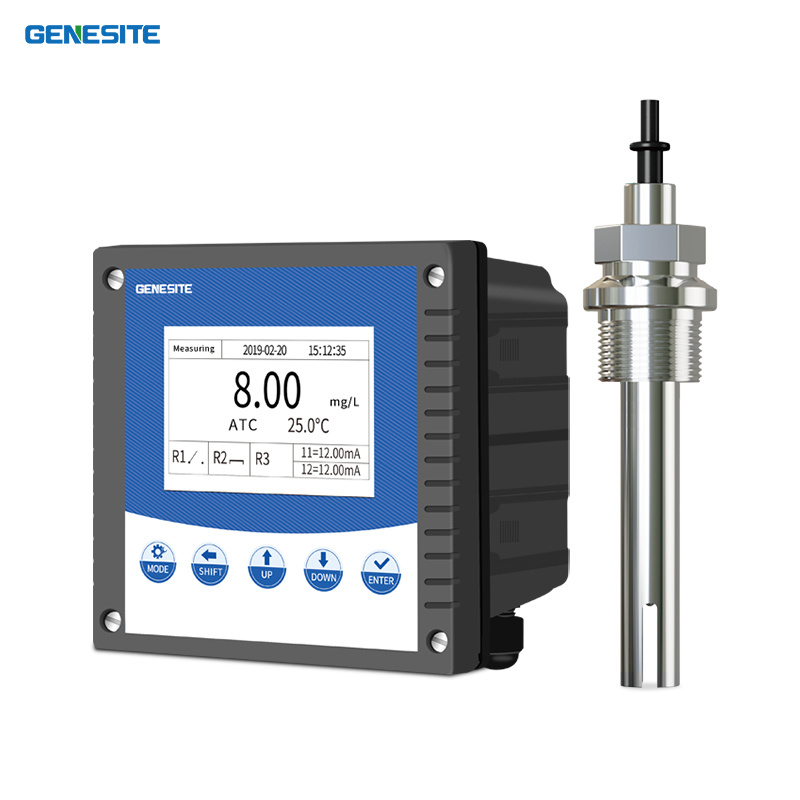
Exploring the Future: Trends in Sensor Technology for 2024
Table of Contents
- 1. Introduction to Sensor Technology Trends in 2024
- 2. Emerging Technologies in Sensor Development
- 3. The Role of IoT in Advancing Sensor Technologies
- 4. Transformative Applications of Sensors in Industry
- 5. Breakthroughs in Healthcare Sensors for 2024
- 6. Smart Cities: The Integration of Sensor Technologies
- 7. Environmental Monitoring and Sensor Technology
- 8. Future Predictions and Market Trends for Sensors
- 9. Conclusion
- 10. Frequently Asked Questions
1. Introduction to Sensor Technology Trends in 2024
As we move into 2024, sensor technology stands at the forefront of technological advancement. This field has seen tremendous growth, driven by the demand for smarter, more efficient devices across various sectors. From industrial applications to healthcare innovations, sensors are essential in collecting and transmitting data. In this article, we will explore the latest trends and technologies shaping the future of sensor technology.
2. Emerging Technologies in Sensor Development
The sensor landscape is evolving rapidly, with significant advancements in materials science and miniaturization technologies. Emerging technologies like **MEMS (Micro-Electro-Mechanical Systems)** and **nano-sensors** are changing how we perceive and interact with the world.
2.1 MEMS Sensors: Miniaturization at Its Best
MEMS sensors are becoming increasingly prevalent due to their compact size and high performance. These sensors, used in smartphones and wearables, enable functionalities like motion detection and environmental monitoring.
2.2 Nano-Sensors: The Future of Sensing
Nano-sensors are at the cutting edge of sensor technology, capable of detecting minute changes in environmental conditions. These sensors find applications in fields ranging from **medical diagnostics** to **environmental monitoring**, paving the way for real-time data collection and analysis.
3. The Role of IoT in Advancing Sensor Technologies
The Internet of Things (IoT) is a significant driver of sensor technology advancements. By connecting devices to the internet, sensors can communicate, share data, and collaborate, leading to smarter environments.
3.1 Enhanced Connectivity and Data Exchange
IoT-enabled sensors provide seamless data exchange between devices, improving operational efficiency and decision-making. This connectivity allows for remote monitoring and control of devices, empowering industries with real-time insights.
3.2 Predictive Maintenance Opportunities
One of the most exciting developments is the use of IoT sensors for predictive maintenance in industries. By continuously monitoring equipment health, organizations can predict failures before they occur, reducing downtime and maintenance costs.
4. Transformative Applications of Sensors in Industry
Industries are leveraging sensor technologies to optimize their operations and enhance productivity. From manufacturing to logistics, sensors play a critical role in driving efficiency.
4.1 Smart Manufacturing
In smart manufacturing, sensors monitor machinery performance and product quality. By utilizing data analytics, manufacturers can identify inefficiencies, leading to improved production processes and reduced waste.
4.2 Logistics and Supply Chain Management
Sensors are revolutionizing logistics by enabling real-time tracking of goods. These innovations ensure that products are delivered on time and in optimal condition, enhancing customer satisfaction.
5. Breakthroughs in Healthcare Sensors for 2024
The healthcare industry is undergoing transformation with the integration of advanced sensor technologies. These innovations are improving patient care and outcomes.
5.1 Wearable Health Sensors
Wearable health sensors have gained popularity, allowing individuals to monitor vital signs continuously. These devices aid in disease prevention and management, offering valuable insights into a person’s health.
5.2 Remote Patient Monitoring
With the rise of telemedicine, remote patient monitoring sensors are becoming essential. They enable healthcare providers to track patient health from a distance, ensuring timely interventions and support.
6. Smart Cities: The Integration of Sensor Technologies
The concept of smart cities relies heavily on sensor technologies to enhance urban living. By integrating sensors into city infrastructure, municipalities can improve services and address challenges.
6.1 Traffic Management Solutions
Smart sensors monitor traffic patterns and optimize traffic flow, reducing congestion and improving commute times. These solutions contribute to a more efficient transportation system.
6.2 Environmental Monitoring
Sensors in smart cities also play a crucial role in environmental monitoring. They track air quality, noise levels, and weather conditions, helping cities respond effectively to environmental issues.
7. Environmental Monitoring and Sensor Technology
Environmental concerns are driving the development of sophisticated sensor technologies aimed at monitoring and protecting our planet.
7.1 Pollution Detection Sensors
Advanced pollution detection sensors provide real-time data on air and water quality. This information is vital for creating policies and initiatives aimed at reducing environmental impact.
7.2 Wildlife Conservation Efforts
In wildlife conservation, sensors are used to track animal movements and behaviors, providing insights that inform conservation strategies and habitat preservation efforts.
8. Future Predictions and Market Trends for Sensors
As we look ahead, several trends are expected to shape the future of sensor technology. The market is projected to grow significantly, driven by increasing demand across various sectors.
8.1 Market Growth and Opportunities
The global sensor market is anticipated to expand rapidly, with significant investments in research and development. Key players in the industry will focus on enhancing existing technologies and exploring new applications.
8.2 The Role of AI and Machine Learning
Artificial Intelligence (AI) and machine learning will play an increasingly vital role in sensor technologies. These advanced algorithms will enable smarter data analysis and decision-making processes.
9. Conclusion
As we venture into 2024, sensor technology continues to evolve and reshape various industries. The integration of IoT, advances in materials science, and a focus on sustainability will drive innovation. With the emergence of new applications and improved functionalities, sensors will play an integral role in enhancing our quality of life and addressing global challenges. Stakeholders must remain vigilant and adaptable to harness the full potential of these technologies.
10. Frequently Asked Questions
Q1: What are the key benefits of advanced sensor technologies?
A1: Advanced sensor technologies provide enhanced data accuracy, improved operational efficiency, and real-time monitoring capabilities across various industries.
Q2: How are IoT and sensors interconnected?
A2: IoT enables sensors to communicate and share data over the internet, providing greater insights and facilitating smarter decision-making processes.
Q3: What role do sensors play in healthcare?
A3: Sensors in healthcare monitor vital signs, enable remote patient monitoring, and help in disease prevention and management.
Q4: How are sensors contributing to environmental protection?
A4: Sensors monitor air and water quality, providing crucial data for environmental policies and conservation efforts.
Q5: What future trends can we expect in sensor technology?
A5: Future trends include increased market growth, the integration of AI and machine learning, and advancements in connectivity and data analysis capabilities.
In summary, sensor technology is poised for remarkable advancements in 2024, driven by innovations and the growing need for connected solutions.
TAG:
PREVIOUS:

Contact Us
E-mail :
andrew@genesit1.com
Phone:
+8615896508337
Address:
Chanhe Industrial Park,LuoYang City, Henan Province,China


SAF Coolest v1.3.1.2 设置面板 GAGSD-AGYF-JZZQE-ZAV
违禁词: 第一,最,一流,领先,独一无二,王者,龙头,领导者,极致,
无数据提示
Sorry,当前栏目正在更新中,敬请期待!
您可以查看其他栏目或返回 首页