GENESITE Environmental Protection Technology Co., Ltd.

The Evolution of Quality Chlorine Dioxide Sensors Over Time: A Comprehensive Analysis
Apr 03,2026
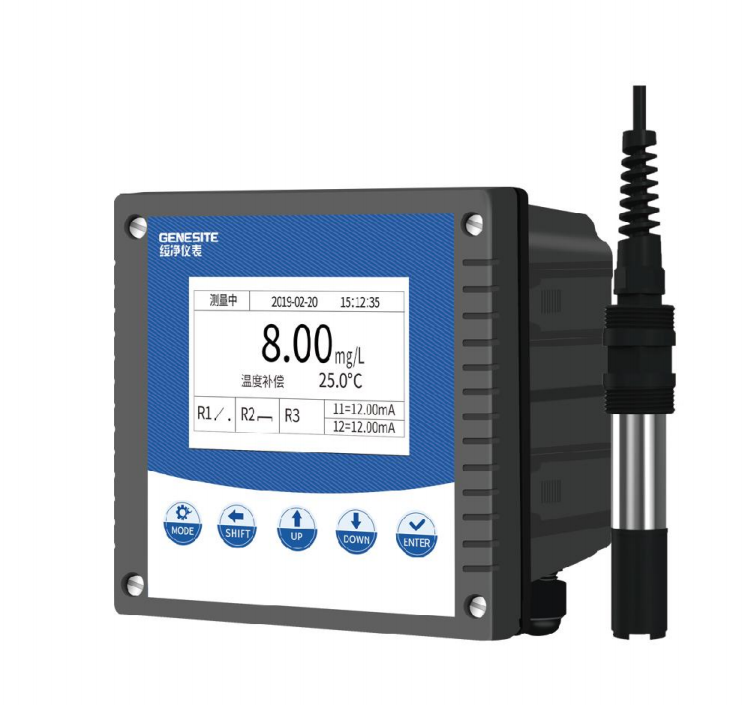
The Evolution of Quality Chlorine Dioxide Sensors Over Time
Table of Contents
- 1. Introduction to Chlorine Dioxide Sensors
- 2. Historical Development of Chlorine Dioxide Sensors
- 3. Key Technologies Behind Chlorine Dioxide Sensors
- 4. Applications of Chlorine Dioxide Sensors in Various Industries
- 5. Advantages of Modern Chlorine Dioxide Sensors
- 6. Challenges in Chlorine Dioxide Sensor Development
- 7. The Future of Chlorine Dioxide Sensors
- 8. Conclusion
- 9. Frequently Asked Questions
1. Introduction to Chlorine Dioxide Sensors
Chlorine dioxide sensors play a crucial role in monitoring the levels of chlorine dioxide (ClO2), a powerful oxidizing agent commonly used in water treatment, food sanitation, and various industrial applications. As the demand for safe and effective disinfection methods rises, the need for high-quality sensors has become increasingly evident. Understanding the evolution of these sensors is vital for appreciating their significance and functionality in today's world.
2. Historical Development of Chlorine Dioxide Sensors
The journey of chlorine dioxide sensors began in the late 20th century. Initially, the detection of chlorine dioxide was rudimentary, relying on colorimetric methods that were often inconsistent and difficult to quantify. However, as industries began to recognize the benefits of chlorine dioxide for disinfection purposes, the demand for more reliable detection methods surged.
The Early Days: Colorimetric Sensors
The first chlorine dioxide sensors used basic colorimetric techniques, where the intensity of the color change indicated the concentration of the gas. While these methods provided a means of measurement, they were limited in accuracy and sensitivity. The need for more sophisticated technology became apparent as industries began to rely on chlorine dioxide as a primary disinfectant.
Transition to Electrochemical Sensors
As technology progressed, the transition to electrochemical sensors marked a significant turning point. These sensors operated on the principle of measuring the electrical current produced by the oxidation of chlorine dioxide at an electrode. This method provided a more accurate and responsive means of detection, paving the way for broader applications in various sectors.
3. Key Technologies Behind Chlorine Dioxide Sensors
Modern chlorine dioxide sensors utilize advanced technologies that enhance their functionality and reliability. Understanding these technologies is essential for evaluating the quality of sensors available in the market today.
Electrochemical Sensing Technology
Electrochemical sensors remain the most widely used technology for chlorine dioxide detection. They offer rapid response times and high selectivity, making them suitable for real-time monitoring in various environments. These sensors are designed to operate in diverse conditions, ensuring accurate readings even in challenging settings.
Optical Sensor Technology
Emerging optical sensor technologies are also gaining traction in the chlorine dioxide sensing arena. These sensors utilize light absorption or fluorescence techniques to detect chlorine dioxide concentrations. They offer the advantage of non-contact measurement, reducing the risk of contamination and extending the lifespan of the sensor.
Gas Chromatography
Gas chromatography is another sophisticated method employed for measuring chlorine dioxide levels. While typically used in laboratory settings, its high precision makes it a valuable tool for verifying the accuracy of other sensor technologies.
4. Applications of Chlorine Dioxide Sensors in Various Industries
Chlorine dioxide sensors have found widespread applications across numerous industries, highlighting their importance in ensuring safety and compliance with health regulations.
Water Treatment
The water treatment industry utilizes chlorine dioxide for its effective disinfection properties. Sensors are integral for maintaining optimal chlorine dioxide levels in water systems, ensuring that treated water meets safety standards and is free from pathogens.
Food Processing
In food processing, chlorine dioxide is employed for sanitation and preservation. Sensors in this sector monitor the concentration of chlorine dioxide in facilities to guarantee food safety and prevent spoilage, thereby enhancing product quality.
Healthcare
Healthcare facilities use chlorine dioxide for sterilization purposes. Accurate sensors are essential in these environments to ensure that medical equipment is properly disinfected, reducing the risk of infection and enhancing patient safety.
5. Advantages of Modern Chlorine Dioxide Sensors
The evolution of chlorine dioxide sensors has led to several key advantages that significantly improve their performance and reliability.
Increased Sensitivity and Accuracy
Modern sensors boast enhanced sensitivity and accuracy, allowing for the detection of lower concentrations of chlorine dioxide. This precision is critical for applications where even minor fluctuations in gas levels can have serious implications.
Real-Time Monitoring
Many contemporary sensors offer real-time monitoring capabilities, providing immediate feedback on chlorine dioxide levels. This feature is particularly valuable in industries where maintaining specific concentrations is crucial for safety and compliance.
Durability and Longevity
Advancements in sensor materials and technologies have led to more durable and longer-lasting sensors. Enhanced durability translates to reduced maintenance costs and improved operational efficiency across various applications.
6. Challenges in Chlorine Dioxide Sensor Development
Despite significant advancements, several challenges remain in the development of chlorine dioxide sensors.
Interference from Other Gases
One of the primary challenges is the potential for interference from other gases present in the environment. Accurate differentiation between chlorine dioxide and similar compounds is crucial for reliable measurements.
Calibration and Drift
Sensor calibration is essential for maintaining accuracy over time. However, sensors may experience drift, leading to erroneous readings unless regularly calibrated. Ensuring consistent and accurate calibration protocols is necessary for optimal sensor performance.
7. The Future of Chlorine Dioxide Sensors
The future of chlorine dioxide sensors looks promising, with ongoing research and development aimed at overcoming existing challenges and enhancing sensor capabilities.
Integration with IoT Technology
The integration of chlorine dioxide sensors with Internet of Things (IoT) technology is set to revolutionize monitoring processes. IoT-enabled sensors can transmit data in real-time to centralized systems, allowing for more efficient management and response to fluctuations in chlorine dioxide levels.
Advancements in Miniaturization
As technology progresses, miniaturization of sensors will become more prevalent, making them easier to deploy in various applications. Compact designs will enhance flexibility and allow for installation in locations previously deemed impractical.
8. Conclusion
The evolution of quality chlorine dioxide sensors reflects the ongoing advancements in technology and the growing recognition of the importance of safe disinfection practices. From their early, rudimentary forms to the sophisticated sensors available today, these devices play an essential role in numerous industries. As we look to the future, continued innovation and integration with emerging technologies promise to enhance the capabilities and accuracy of chlorine dioxide sensors, ensuring they remain a critical tool for health and safety.
9. Frequently Asked Questions
What is a chlorine dioxide sensor?
A chlorine dioxide sensor is a device used to detect and measure the concentration of chlorine dioxide gas in various environments, ensuring safety and compliance in applications like water treatment and food processing.
How do electrochemical chlorine dioxide sensors work?
Electrochemical sensors operate by measuring the electrical current generated from the oxidation of chlorine dioxide at an electrode, providing real-time data on gas concentration.
What are the main applications of chlorine dioxide sensors?
Chlorine dioxide sensors are primarily used in water treatment, food processing, and healthcare settings for monitoring disinfection levels and ensuring safety.
What challenges do chlorine dioxide sensors face?
Key challenges include interference from other gases, the need for regular calibration to maintain accuracy, and the potential for sensor drift over time.
What is the future of chlorine dioxide sensors?
The future of chlorine dioxide sensors involves advancements in IoT integration, miniaturization of designs, and further improvements in sensitivity and specificity for enhanced monitoring capabilities.
TAG:
PREVIOUS:

Contact Us
E-mail :
andrew@genesit1.com
Phone:
+8615896508337
Address:
Chanhe Industrial Park,LuoYang City, Henan Province,China


SAF Coolest v1.3.1.2 设置面板 GAGSD-AGYF-JZZQE-ZAV
违禁词: 第一,最,一流,领先,独一无二,王者,龙头,领导者,极致,
无数据提示
Sorry,当前栏目正在更新中,敬请期待!
您可以查看其他栏目或返回 首页