GENESITE Environmental Protection Technology Co., Ltd.

Top Features to Look for in a Turbidity Detector from Exporters
Apr 11,2026
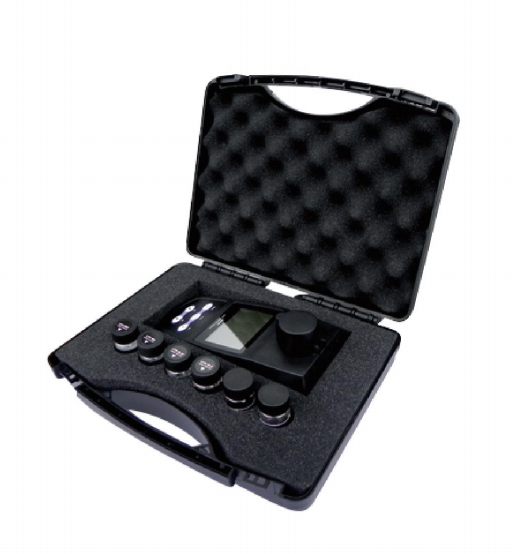
Top Features to Look for in a Turbidity Detector from Exporters
Understanding Turbidity Detectors and Their Importance
Turbidity detectors play a crucial role in environmental monitoring by measuring the cloudiness or haziness of a liquid. This characteristic is significant for various applications, including water quality assessment, industrial operations, and environmental compliance. As we delve into the features of turbidity detectors, it’s essential to recognize their importance in ensuring water safety and quality.
The Basics of Turbidity Measurement
Turbidity is measured in Nephelometric Turbidity Units (NTU). The higher the NTU value, the murkier the water. Turbidity can result from various factors, including the presence of sediments, microorganisms, and organic materials. Understanding these basics will help in appreciating the significance of selecting the right turbidity detector.
The Role of Exporters in the Turbidity Detector Market
Exporters play a vital role in the turbidity detector market by providing access to innovative technology and reliable equipment. They often source devices from manufacturers renowned for their quality and precision, thus ensuring that end-users have access to top-notch equipment. Choosing the right exporter can significantly impact the performance and reliability of the turbidity detectors you acquire.
Key Features to Consider in a Turbidity Detector
When looking for a turbidity detector, several features should be prioritized to ensure accuracy, reliability, and ease of use.
1. Measurement Range
The measurement range is one of the most critical specifications of a turbidity detector. Different applications require different ranges; for instance, drinking water monitoring typically needs a range of 0-100 NTU, while industrial applications may necessitate higher ranges. Ensure that the turbidity detector you choose can handle the specific range required for your application.
2. Accuracy and Precision
Accuracy and precision are paramount when selecting a turbidity detector. Look for devices with a low margin of error and high repeatability. High-quality turbidity detectors should provide consistent readings, which is essential for regulatory compliance and effective monitoring.
3. Calibration and Maintenance Requirements
Regular calibration is vital for maintaining the accuracy of turbidity measurements. Choose a turbidity detector that offers straightforward calibration procedures and minimal maintenance requirements. Some advanced models may feature automatic calibration, reducing the burden on operators.
4. Sensor Technology
The type of sensor technology used in a turbidity detector can greatly influence its performance. Common technologies include optical sensors, which use light scattering principles, and electrochemical sensors. Understanding the advantages and limitations of these technologies will help in making an informed decision.
Optical Sensors vs. Electrochemical Sensors
Optical sensors are widely used due to their ability to provide real-time measurements and high accuracy. In contrast, electrochemical sensors may be better suited for specific applications where chemical interactions are critical. Evaluating the context of use will determine the best sensor type.
5. Portability and Design
In many applications, the portability of a turbidity detector can be a significant advantage. Portable models allow users to conduct field tests without the need for bulky equipment. Consider the design and weight of the device, especially if you will be conducting outdoor measurements frequently.
6. Data Logging and Connectivity
In today’s tech-savvy world, data logging features have become essential. A turbidity detector equipped with data logging capabilities allows users to store and retrieve historical data for analysis. Additionally, connectivity options such as Bluetooth or USB can facilitate seamless data transfer to external devices for further processing.
7. User Interface and Display
A user-friendly interface is critical for effective operation. Look for turbidity detectors with clear displays that provide easy-to-read measurements. Intuitive controls and navigation can significantly enhance user experience, especially for those who may not be technically inclined.
8. Durability and Environmental Resistance
The operating environment plays a crucial role in the selection of a turbidity detector. Devices that can withstand harsh environmental conditions, such as extreme temperatures or exposure to chemicals, will ultimately lead to better performance and longevity. Inspect the materials used in construction to ensure durability.
Additional Considerations When Choosing a Turbidity Detector
Beyond the primary features discussed, several additional factors can influence your decision-making process.
1. Cost and Budget
While high-quality turbidity detectors can be an investment, it’s essential to weigh the cost against the benefits they offer. Consider your budget and explore options that provide the best value for your money, not merely the lowest price.
2. Manufacturer Reputation
Researching the reputation of manufacturers and exporters can provide insight into the quality and reliability of their turbidity detectors. Look for brands known for their commitment to quality and customer service, which may offer warranties or support.
3. Calibration Standards
When selecting a turbidity detector, verify if it meets national or international calibration standards. Compliance with these standards ensures that the measurements provided are credible, thus enhancing the reliability of your monitoring process.
FAQs About Turbidity Detectors
1. What is the purpose of a turbidity detector?
A turbidity detector measures the cloudiness of water, which is essential for assessing water quality in various applications, including drinking water, wastewater, and environmental monitoring.
2. How often should turbidity detectors be calibrated?
Calibration frequency depends on usage and manufacturer recommendations. Typically, it’s advisable to calibrate before each use or daily in high-use scenarios.
3. Can turbidity detectors be used in field applications?
Yes, many turbidity detectors are designed for portability and can be used in the field, allowing on-site measurements and immediate results.
4. What is the difference between NTU and FNU?
NTU (Nephelometric Turbidity Units) and FNU (Formazin Nephelometric Units) both measure turbidity but may use different calibration standards. NTU is more common in drinking water contexts, while FNU is often used in environmental assessments.
5. Are there specific turbidity detectors for different industries?
Yes, turbidity detectors are tailored for various industries, including municipal water treatment, industrial processes, and environmental studies. Each application may require specific features suited to its operational conditions.
Conclusion
Selecting the right turbidity detector from exporters is an essential process that requires careful consideration of various features and specifications. By prioritizing measurement range, accuracy, sensor technology, and user-friendly interfaces, you can ensure that your chosen device meets your specific monitoring needs. Remember to evaluate the reputation of manufacturers and the durability of the equipment in real-world conditions. By following these guidelines, you can enhance your water quality management processes and ensure compliance with environmental standards. Make informed decisions, and invest in reliable turbidity detection technology that will serve you well in the long term.
TAG:
PREVIOUS:

Contact Us
E-mail :
andrew@genesit1.com
Phone:
+8615896508337
Address:
Chanhe Industrial Park,LuoYang City, Henan Province,China


SAF Coolest v1.3.1.2 设置面板 GAGSD-AGYF-JZZQE-ZAV
违禁词: 第一,最,一流,领先,独一无二,王者,龙头,领导者,极致,
无数据提示
Sorry,当前栏目正在更新中,敬请期待!
您可以查看其他栏目或返回 首页