GENESITE Environmental Protection Technology Co., Ltd.

Expert Tips for Operating a Conductivity Analyzer in Automotive Maintenance
Apr 19,2026
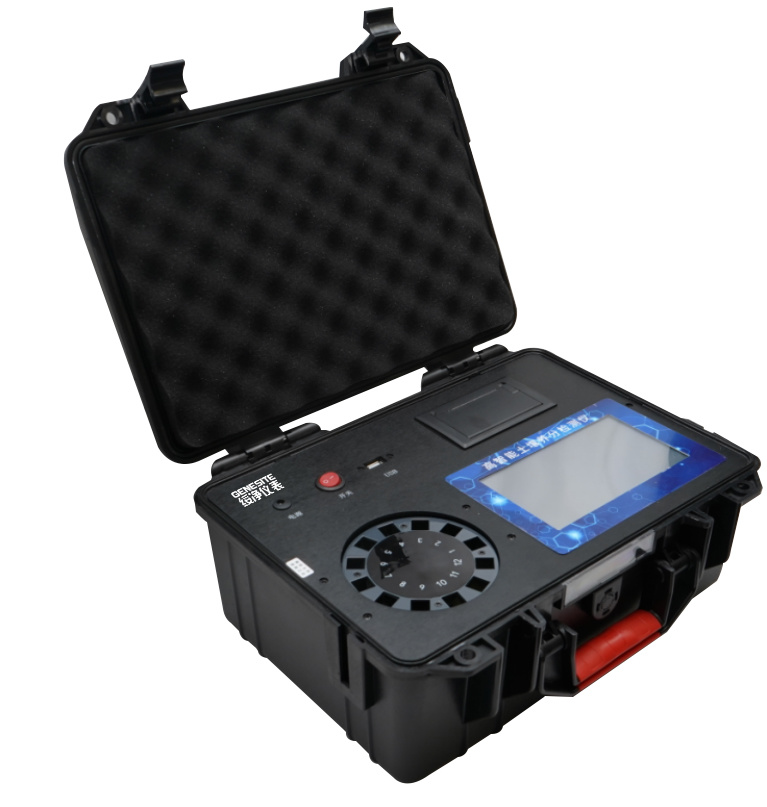
Expert Tips for Operating a Conductivity Analyzer in Automotive Maintenance
Table of Contents
- 1. Introduction to Conductivity Analyzers in Automotive Maintenance
- 2. Importance of Conductivity Analysis in Auto Repairs
- 3. Basic Operating Principles of Conductivity Analyzers
- 4. How to Properly Calibrate Your Conductivity Analyzer
- 5. Step-by-Step Guide to Using a Conductivity Analyzer
- 6. Common Issues and Troubleshooting Tips
- 7. Best Practices for Conductivity Testing
- 8. Case Studies: Real-World Applications of Conductivity Analyzers
- 9. Frequently Asked Questions (FAQs)
- 10. Conclusion
1. Introduction to Conductivity Analyzers in Automotive Maintenance
In the realm of automotive maintenance, the **conductivity analyzer** serves as an indispensable tool. It is primarily used to measure the conductivity of liquids, particularly coolants and battery fluids. Understanding the conductivity of these fluids is crucial for ensuring optimal performance and longevity of vehicle systems. Conductivity analyzers help technicians identify the presence of contaminants, monitor fluid quality, and make informed decisions regarding maintenance and repairs.
2. Importance of Conductivity Analysis in Auto Repairs
Conductivity analysis plays a pivotal role in automotive maintenance for various reasons:
2.1 Quality Assurance
Regularly testing the conductivity of coolants and battery fluids ensures that these fluids maintain their efficacy. Poor-quality fluids can lead to overheating, corrosion, and ultimately, costly repairs.
2.2 Contaminant Detection
The presence of contaminants in fluids can drastically affect vehicle performance. Conductivity analyzers help identify these impurities early, reducing the risk of damage to critical components.
2.3 Preventative Maintenance
By routinely analyzing fluid conductivity, automotive technicians can implement preventative measures, extending the lifespan of engine components and improving overall efficiency.
3. Basic Operating Principles of Conductivity Analyzers
Understanding how a conductivity analyzer functions is essential for effective operation. These devices measure the electrical conductivity of a fluid, which increases with the presence of ionic substances. The basic principles include:
3.1 Electrical Conductivity
Conductivity is the ability of a substance to conduct electric current. In automotive fluids, higher conductivity often indicates the presence of dissolved ions, which can signify contamination.
3.2 Measurement Units
Conductivity is typically measured in microsiemens per centimeter (µS/cm). Knowing the acceptable conductivity range for different automotive fluids is crucial for accurate assessments.
4. How to Properly Calibrate Your Conductivity Analyzer
Calibration is a critical step in ensuring the accuracy of your conductivity analyzer. Follow these steps for optimal calibration:
4.1 Gather Calibration Standards
Obtain standard solutions with known conductivity values from a reputable supplier. These will serve as your reference points.
4.2 Set Up the Analyzer
Power on the analyzer and set it to the appropriate mode for calibration. Follow the manufacturer’s instructions for your specific model.
4.3 Conduct the Calibration
Immerse the probe in the standard solution and allow the device to stabilize. Adjust the reading to match the known value of the standard. Repeat this process for multiple standards to ensure accuracy across the range.
5. Step-by-Step Guide to Using a Conductivity Analyzer
Operating a conductivity analyzer requires precision and attention to detail. Here’s a step-by-step guide:
5.1 Preparation
Ensure that the analyzer is clean and calibrated. Gather the fluids you wish to test and appropriate personal protective equipment (PPE).
5.2 Testing the Fluid
Fill a clean container with the fluid to be tested. Immerse the probe of the conductivity analyzer into the fluid, avoiding contact with the container's sides.
5.3 Reading the Measurement
Allow the reading to stabilize, and record the conductivity value displayed on the analyzer. Compare this value to manufacturer specifications for the fluid type.
5.4 Cleaning the Equipment
After testing, clean the probe with distilled water to prevent cross-contamination between different fluids.
6. Common Issues and Troubleshooting Tips
Even experienced technicians may encounter problems with conductivity analyzers. Here are some common issues and their solutions:
6.1 Inconsistent Readings
If your device provides fluctuating readings, ensure that the probe is clean and properly calibrated. Contaminants on the probe can lead to skewed results.
6.2 Calibration Errors
If the analyzer fails to calibrate correctly, double-check that you are using the appropriate standard solutions and that they are not expired.
6.3 Display Malfunctions
For issues with the display not functioning, check the batteries and connections. If problems persist, consult the manufacturer’s support.
7. Best Practices for Conductivity Testing
Implementing best practices can enhance the effectiveness of your conductivity testing:
7.1 Regular Maintenance
Perform routine checks and maintenance on your analyzer to ensure its longevity and accuracy.
7.2 Document Results
Keep detailed records of conductivity measurements over time. This helps identify trends and potential issues before they escalate.
7.3 Train Personnel
Ensure that all staff members who operate the analyzer are well-trained in its use and maintenance. This minimizes errors and promotes consistency in testing.
8. Case Studies: Real-World Applications of Conductivity Analyzers
Understanding how conductivity analyzers are applied in real-world scenarios can deepen appreciation for their importance.
8.1 Case Study: Preventing Overheating
A fleet maintenance company implemented regular conductivity testing of their coolant systems. By identifying high conductivity levels, they were able to replace contaminated coolant before overheating occurred, saving on costly repairs.
8.2 Case Study: Battery Maintenance
An automotive repair shop noticed a trend of battery failures in vehicles serviced. Conductivity testing revealed high levels of contaminants in the battery fluid, leading to a proactive change in maintenance procedures that improved battery life.
9. Frequently Asked Questions (FAQs)
9.1 What types of fluids can a conductivity analyzer test?
Conductivity analyzers can test a variety of automotive fluids, including coolants, battery fluids, and washing fluids.
9.2 How often should I calibrate my conductivity analyzer?
Calibration should be performed before each use or at least once a week, depending on the frequency of use.
9.3 What is the ideal conductivity range for coolant?
Most automotive coolants should have a conductivity level below 50 µS/cm; however, always consult manufacturer specifications for accurate values.
9.4 Can I use a conductivity analyzer on non-aqueous fluids?
Typically, conductivity analyzers are designed for aqueous solutions. Non-aqueous fluids may require specialized equipment.
9.5 What should I do if the analyzer shows readings above the acceptable range?
If readings exceed the acceptable range, consider replacing the fluid and investigating potential sources of contamination.
10. Conclusion
In conclusion, mastering the operation of a conductivity analyzer is essential for automotive maintenance professionals. By understanding its importance, following best practices, and employing expert tips, technicians can ensure that vehicle fluids remain at optimal quality. Regular testing not only helps prevent costly repairs but also enhances the overall performance of the vehicles serviced. As technology continues to advance, integrating tools like conductivity analyzers into routine maintenance will be vital for achieving long-term success in the automotive industry.
TAG:
PREVIOUS:

Contact Us
E-mail :
andrew@genesit1.com
Phone:
+8615896508337
Address:
Chanhe Industrial Park,LuoYang City, Henan Province,China


SAF Coolest v1.3.1.2 设置面板 GAGSD-AGYF-JZZQE-ZAV
违禁词: 第一,最,一流,领先,独一无二,王者,龙头,领导者,极致,
无数据提示
Sorry,当前栏目正在更新中,敬请期待!
您可以查看其他栏目或返回 首页