GENESITE Environmental Protection Technology Co., Ltd.

Key Factors Influencing the Performance of Quality Chlorine Dioxide Sensors
Jun 14,2026
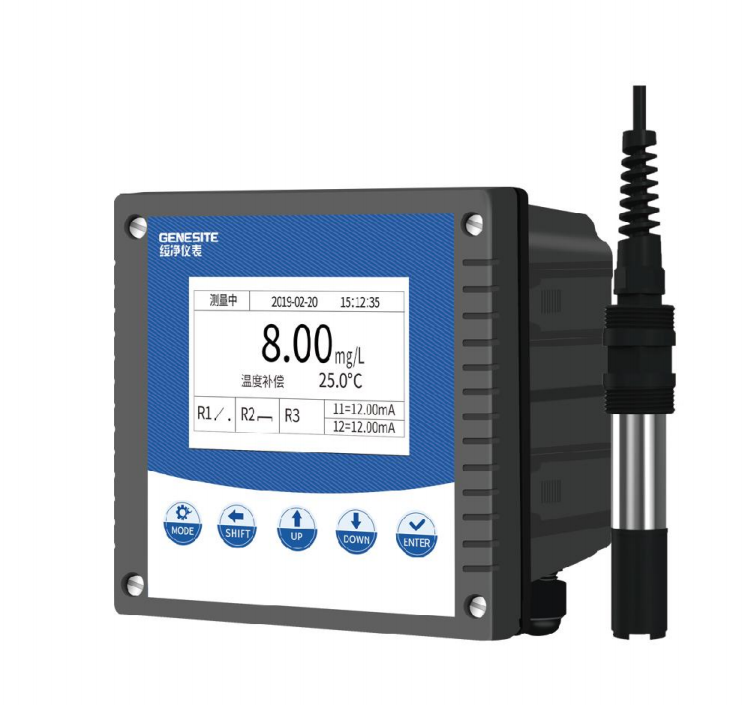
Key Factors Influencing the Performance of Quality Chlorine Dioxide Sensors
Introduction to Chlorine Dioxide Sensors
Chlorine dioxide (ClO2) sensors play a vital role in various industries, such as water treatment, food processing, and environmental monitoring. Understanding the key factors that influence their performance is crucial for ensuring accurate measurements and safety standards. This article explores the intrinsic and extrinsic elements that affect the efficiency and reliability of chlorine dioxide sensors.
Understanding Chlorine Dioxide and Its Applications
Chlorine dioxide is a powerful oxidizing agent used primarily for disinfection and bleaching. Its effectiveness against bacteria, viruses, and biofilms makes it a preferred choice in several applications:
1. Water Treatment
In municipal and industrial water treatment facilities, accurate measurement of chlorine dioxide concentration is essential to ensure safe drinking water. Chlorine dioxide sensors help monitor levels and optimize disinfection processes.
2. Food Processing
The food industry uses chlorine dioxide for sanitizing equipment and surfaces. Sensors ensure that chlorine dioxide levels stay within safe limits, thus preventing contamination.
3. Environmental Monitoring
Chlorine dioxide sensors are crucial in monitoring air quality and assessing industrial emissions. They help in evaluating the environmental impact of chlorine dioxide production and usage.
Key Performance Factors for Chlorine Dioxide Sensors
Several factors influence the performance of chlorine dioxide sensors, including sensor technology, calibration practices, environmental conditions, and maintenance routines.
1. Sensor Technology
Different sensor technologies are available for detecting chlorine dioxide, each with its advantages and limitations. The choice of technology significantly impacts performance.
a. Electrochemical Sensors
Electrochemical sensors are popular due to their sensitivity and specificity. They convert chemical reactions into electrical signals, providing real-time measurements. However, they may require frequent calibration.
b. Optical Sensors
Optical sensors detect chlorine dioxide by measuring light absorption at specific wavelengths. These sensors are less affected by environmental factors, offering stable performance over time.
c. Solid-State Sensors
Solid-state sensors are known for their durability and low power consumption. They are ideal for long-term monitoring but may have limitations in terms of sensitivity compared to other technologies.
2. Calibration and Accuracy
Regular calibration is crucial for maintaining sensor accuracy. Proper calibration techniques ensure that the sensor provides reliable data over time.
a. Calibration Frequency
The frequency of calibration depends on the sensor type and application. Regular calibration schedules should be established to account for sensor drift and environmental changes.
b. Calibration Standards
Using certified calibration standards ensures that the sensor readings are accurate. It is essential to match the calibration gas concentration to the expected operational range of the sensor.
3. Environmental Factors
The performance of chlorine dioxide sensors can be significantly affected by environmental conditions, including temperature, humidity, and the presence of interfering substances.
a. Temperature Influence
Temperature fluctuations can affect the sensor's responsiveness and accuracy. It is essential to operate sensors within their specified temperature range to ensure reliable performance.
b. Humidity Effects
High humidity levels can lead to condensation that affects sensor readings. Understanding the humidity tolerance of sensors is vital for effective deployment in varying environmental conditions.
c. Interfering Gases
Certain gases can interfere with chlorine dioxide detection. Knowing the interference potential of surrounding chemicals is crucial for selecting the right sensor type and calibration process.
4. Maintenance and Care
Routine maintenance is critical for ensuring the longevity and performance of chlorine dioxide sensors. Regular inspections and servicing help mitigate issues that can arise over time.
a. Cleaning Procedures
Dust and contaminants can accumulate on sensors, affecting their performance. Establishing a regular cleaning schedule is essential to maintain sensor integrity.
b. Replacement of Components
Certain sensor components, such as membranes in electrochemical sensors, may require periodic replacement. Following the manufacturer’s guidelines for component longevity helps maintain optimal performance.
Best Practices for Ensuring Sensor Performance
Implementing best practices can enhance the lifecycle and reliability of chlorine dioxide sensors.
1. Selecting the Right Sensor
Choosing the appropriate sensor technology based on specific application requirements is critical. Factors such as sensitivity, response time, and environmental compatibility should guide this selection.
2. Regular Training for Operators
Training users on proper sensor operation, calibration, and maintenance can significantly reduce errors and enhance safety protocols in workplaces that utilize chlorine dioxide sensors.
3. Data Logging and Trend Analysis
Regularly logging data from chlorine dioxide sensors allows for trend analysis, helping operators understand long-term performance and make informed decisions regarding maintenance and calibration.
Challenges in Chlorine Dioxide Measurement
Despite advancements in sensor technology, some challenges remain in accurately measuring chlorine dioxide levels.
1. Low Detection Limits
Measuring low concentrations of chlorine dioxide can be challenging. Employing advanced sensor technologies that provide high sensitivity is essential for applications requiring precise measurements.
2. Environmental Variability
Changes in environmental conditions can lead to fluctuations in sensor performance. Establishing a robust calibration routine can help mitigate these variations.
3. Sensor Longevity
Sensors have finite operational lifespans. Understanding the degradation mechanisms and factors affecting sensor life can aid in better planning for replacements and ensuring continuous monitoring.
Future Trends in Chlorine Dioxide Sensors
The field of chlorine dioxide sensors is evolving with technological advancements and increasing demand for accurate monitoring solutions.
1. Integration with IoT Technology
The integration of chlorine dioxide sensors with Internet of Things (IoT) technology allows for real-time monitoring and data analytics, leading to more informed decision-making.
2. Enhanced Sensitivity and Selectivity
Future innovations are likely to focus on developing sensors with improved sensitivity and selectivity, minimizing interference from other gases while providing accurate readings.
3. Sustainable Sensor Solutions
As industries move towards sustainability, the development of eco-friendly sensors is expected. This includes sensors that require less energy and have a smaller environmental footprint.
Conclusion
In summary, the performance of quality chlorine dioxide sensors hinges on multiple factors, including sensor technology, calibration accuracy, environmental conditions, and maintenance practices. By understanding and addressing these key aspects, industries can ensure the reliability and accuracy of chlorine dioxide measurements. As technology progresses, staying informed about advancements and best practices will be essential for optimizing sensor performance and enhancing safety in various applications.
Frequently Asked Questions (FAQs)
1. What is the primary function of chlorine dioxide sensors?
Chlorine dioxide sensors are designed to measure the concentration of chlorine dioxide gas in various environments, ensuring safety and compliance with health standards in industries such as water treatment and food processing.
2. How often should chlorine dioxide sensors be calibrated?
Calibration frequency depends on the sensor type and application; however, it is generally recommended to calibrate at least once every three to six months.
3. What factors can affect the accuracy of chlorine dioxide sensors?
Environmental factors such as temperature, humidity, and the presence of interfering gases can significantly impact sensor accuracy.
4. Can chlorine dioxide sensors be used in outdoor environments?
Yes, but optimal performance requires selecting sensors designed for outdoor use, considering factors like temperature extremes and humidity.
5. What are the signs that a chlorine dioxide sensor needs maintenance?
Signs include inconsistent readings, prolonged response times, or visible damage. Regular inspections and data logging can help identify when maintenance is necessary.
TAG:
PREVIOUS:

Contact Us
E-mail :
andrew@genesit1.com
Phone:
+8615896508337
Address:
Chanhe Industrial Park,LuoYang City, Henan Province,China


SAF Coolest v1.3.1.2 设置面板 GAGSD-AGYF-JZZQE-ZAV
违禁词: 第一,最,一流,领先,独一无二,王者,龙头,领导者,极致,
无数据提示
Sorry,当前栏目正在更新中,敬请期待!
您可以查看其他栏目或返回 首页