GENESITE Environmental Protection Technology Co., Ltd.

The Importance of Reliable Turbidity Detectors in Environmental Testing
Jun 22,2026
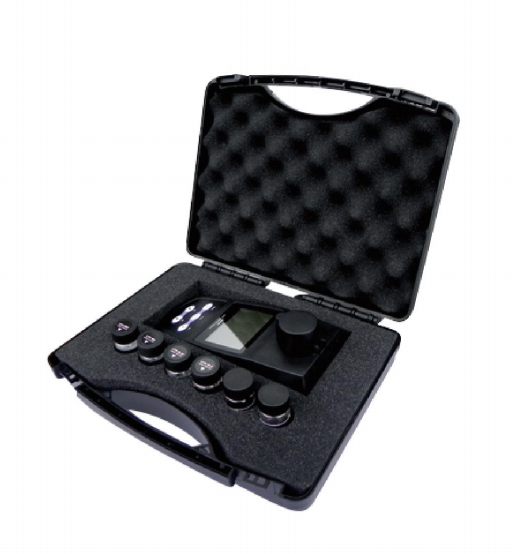
The Importance of Reliable Turbidity Detectors in Environmental Testing
Table of Contents
- Introduction to Turbidity Detectors
- Understanding Turbidity in Water
- Relevance of Turbidity Detectors in Environmental Testing
- How Turbidity Detectors Work
- Types of Turbidity Detectors Available
- Criteria for Reliable Turbidity Detectors
- Applications of Turbidity Detectors in Various Industries
- Challenges in Measuring Turbidity Accurately
- Future Trends in Turbidity Detection Technology
- Frequently Asked Questions
- Conclusion
Introduction to Turbidity Detectors
Turbidity detectors play a crucial role in environmental testing, particularly in assessing the **quality of water**. These instruments measure the cloudiness or haziness of a fluid caused by large numbers of individual particles that are generally invisible to the naked eye. In environmental monitoring, maintaining accurate turbidity readings is essential for ensuring water safety and compliance with environmental regulations.
Understanding Turbidity in Water
Turbidity is a key indicator of water quality, reflecting the presence of suspended particles such as sediments, microorganisms, and organic matter. High turbidity levels can indicate pollution, which may pose risks to aquatic life and human health. Understanding turbidity is critical for:
- **Water Quality Assessment**: High turbidity can reduce light penetration, affecting photosynthesis in aquatic plants.
- **Health Risks**: Turbid water can harbor pathogens, leading to waterborne diseases.
- **Regulatory Compliance**: Various environmental regulations set limits on acceptable turbidity levels in drinking water and natural bodies of water.
Relevance of Turbidity Detectors in Environmental Testing
Reliable turbidity detectors are vital for various applications in environmental testing, including:
- **Drinking Water Treatment**: Ensuring contaminants are filtered out effectively.
- **Wastewater Treatment**: Monitoring turbidity levels to optimize treatment processes.
- **Natural Water Bodies**: Assessing the ecological health of lakes, rivers, and oceans.
Their timely and accurate measurements help in making informed decisions regarding water management and pollution control.
How Turbidity Detectors Work
Turbidity detectors work by passing a light beam through a water sample and measuring the intensity of light scattered by the suspended particles. The principle behind this measurement involves two main types of sensors:
1. **Nephelometric Sensors**: Measure light scattered at a 90-degree angle from the incident beam.
2. **Transmissive Sensors**: Measure the amount of light that passes through the sample.
Both types of sensors provide valuable data that can be converted into turbidity readings, often expressed in NTU (Nephelometric Turbidity Units).
Types of Turbidity Detectors Available
Turbidity detectors vary in terms of design, functionality, and application. The most common types include:
- **Portable Turbidity Meters**: Ideal for field testing, these devices allow for on-site measurements.
- **Online Turbidity Monitors**: Continuously monitor turbidity levels in treatment plants or natural bodies of water.
- **Laboratory Turbidity Analyzers**: Used for high-precision measurements in controlled environments.
Each type has its advantages and is suited for specific applications, making it crucial to choose the correct one based on the testing requirements.
Criteria for Reliable Turbidity Detectors
When selecting turbidity detectors, several criteria should be considered to ensure reliability:
- **Accuracy and Precision**: The ability of the device to provide consistent and correct measurements over time.
- **Calibration and Maintenance**: Frequent calibration is necessary to maintain accuracy. Devices that are easy to calibrate and maintain are preferred.
- **Durability and Portability**: Especially for field use, the device should be robust and easy to transport without compromising measurement integrity.
- **Response Time**: In dynamic environments, fast response times for turbidity readings are essential.
Choosing a reliable turbidity detector can significantly impact environmental monitoring outcomes.
Applications of Turbidity Detectors in Various Industries
Turbidity detectors find applications across numerous industries, including:
- **Water Treatment Facilities**: Used to monitor the effectiveness of filtration processes and ensure compliance with water quality standards.
- **Environmental Research**: Researchers utilize turbidity measurements to study sediment transport and water quality in rivers and lakes.
- **Aquaculture**: Monitoring turbidity levels is essential for maintaining healthy environments for fish and aquatic plants.
- **Construction**: Assessing turbidity in runoff water helps in implementing erosion control measures.
These applications underscore the importance of having reliable turbidity detectors for effective monitoring and compliance.
Challenges in Measuring Turbidity Accurately
Despite advancements in turbidity detection technology, several challenges remain:
- **Interferences from Color and Organic Matter**: Colored water or the presence of organic materials can skew turbidity readings, complicating analysis.
- **Temperature Variations**: Changes in temperature can affect the performance of turbidity detectors and necessitate adjustments.
- **Sensor Fouling**: Accumulation of particles on the sensor can lead to inaccurate readings and require regular cleaning.
Addressing these challenges is essential for maintaining the reliability of turbidity measurements.
Future Trends in Turbidity Detection Technology
As technology advances, so do turbidity detectors. Future trends may include:
- **Integration with IoT Technology**: Smart turbidity detectors that can transmit data in real time for remote monitoring and analysis.
- **Improved Sensor Materials**: Development of more resilient materials to reduce fouling and enhance accuracy.
- **Automated Calibration Systems**: Innovations that allow for self-calibrating devices, improving ease of use and reliability.
These trends indicate a promising future for turbidity detection technology, enhancing environmental monitoring capabilities.
Frequently Asked Questions
What are the standard turbidity levels for drinking water?
Typically, drinking water turbidity levels should be below 1 NTU, according to the EPA standards. Higher levels may indicate contamination.
How often should turbidity detectors be calibrated?
Calibration frequency can depend on usage but should typically occur at least once a month or before significant testing to ensure accuracy.
Can turbidity detectors measure other water quality parameters?
Many modern turbidity detectors can also measure parameters such as pH, dissolved oxygen, and temperature, offering a comprehensive analysis of water quality.
Are portable turbidity meters accurate for lab testing?
While portable meters are convenient for field testing, laboratory-grade equipment generally offers higher accuracy and precision for detailed analysis.
What are the consequences of high turbidity levels in water?
High turbidity levels can lead to water quality issues, including reduced oxygen levels for aquatic organisms, increased pathogen presence, and complications in water treatment processes.
Conclusion
Reliable turbidity detectors play an indispensable role in environmental testing. They not only help in assessing the quality of water but also ensure the safety and health of ecosystems and human populations. With the growing importance of environmental protection and regulatory compliance, investing in high-quality turbidity detectors is crucial for industries and researchers alike. By understanding the principles, applications, and future trends of turbidity detection, stakeholders can enhance their environmental monitoring efforts and contribute to a sustainable future.
TAG:
PREVIOUS:

Contact Us
E-mail :
andrew@genesit1.com
Phone:
+8615896508337
Address:
Chanhe Industrial Park,LuoYang City, Henan Province,China


SAF Coolest v1.3.1.2 设置面板 GAGSD-AGYF-JZZQE-ZAV
违禁词: 第一,最,一流,领先,独一无二,王者,龙头,领导者,极致,
无数据提示
Sorry,当前栏目正在更新中,敬请期待!
您可以查看其他栏目或返回 首页