GENESITE Environmental Protection Technology Co., Ltd.

Enhancing Performance with Customized COD Sensors in Environmental Monitoring
Jul 08,2026
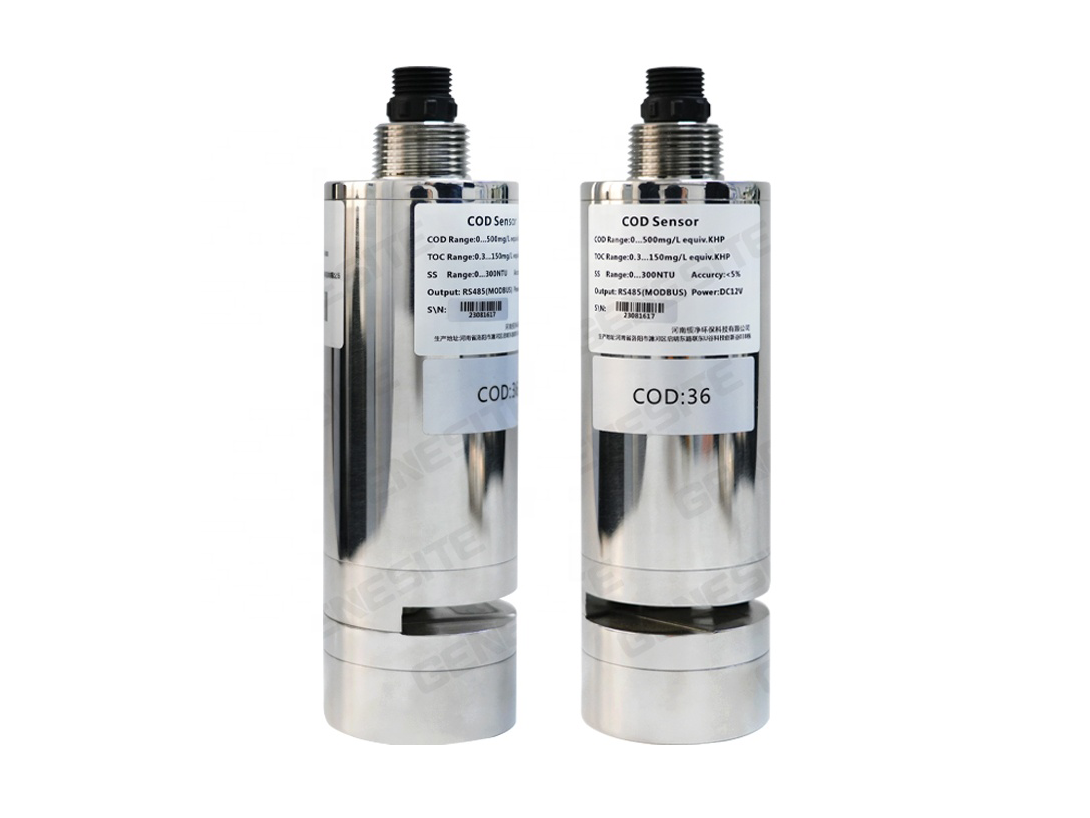
Enhancing Performance with Customized COD Sensors in Environmental Monitoring
Table of Contents
- 1. Introduction to COD Sensors
- 2. Importance of COD Sensors in Environmental Monitoring
- 3. Customization: Tailoring COD Sensors to Specific Needs
- 4. Applications of Customized COD Sensors
- 5. Benefits of Using Customized COD Sensors
- 6. Technology Behind COD Sensors
- 7. The Future of COD Sensors in Environmental Monitoring
- 8. Frequently Asked Questions (FAQs)
- 9. Conclusion
1. Introduction to COD Sensors
Chemical Oxygen Demand (COD) sensors are essential tools in environmental monitoring, particularly for assessing water quality. These sensors measure the amount of oxygen that microorganisms will consume while decomposing organic matter in water, providing critical data for water treatment plants, industrial processes, and environmental research. As the demand for accurate and timely water quality data grows, **customized COD sensors** have emerged as a viable solution tailored to specific applications and environments.
2. Importance of COD Sensors in Environmental Monitoring
The importance of COD sensors in environmental monitoring cannot be overstated. They provide invaluable insights into the health of aquatic ecosystems and the effectiveness of waste treatment processes. High COD levels can indicate pollution and the presence of organic waste, prompting necessary interventions. By equipping facilities and researchers with precise and real-time data, COD sensors play a pivotal role in:
- **Regulatory Compliance**: Ensuring that water bodies meet environmental standards.
- **Ecosystem Health Monitoring**: Assessing the impact of pollutants on aquatic life.
- **Resource Management**: Optimizing water treatment processes for efficiency and cost-effectiveness.
3. Customization: Tailoring COD Sensors to Specific Needs
Customized COD sensors are designed to meet specific environmental conditions and operational requirements. Customization options include:
- **Sensitivity Levels**: Tailoring the sensor's sensitivity to detect varying concentrations of chemical oxygen demand.
- **Durability Features**: Enhancing resistance to harsh environmental conditions such as extreme temperatures, corrosive substances, and sediment.
- **Data Output Formats**: Allowing integration with existing monitoring systems and software for seamless data management.
By addressing unique challenges faced by different applications, customized sensors enhance performance and reliability.
4. Applications of Customized COD Sensors
Customized COD sensors find applications across various sectors, including:
4.1. Water Treatment Facilities
In wastewater treatment plants, COD sensors monitor incoming water quality to optimize treatment processes. By providing real-time data, operators can adjust treatment methods, improving efficiency.
4.2. Industrial Processes
Industries that discharge wastewater need to monitor COD levels to comply with environmental regulations. Customized sensors help in tracking effluent quality and minimizing environmental impact.
4.3. Aquaculture
In aquaculture, maintaining water quality is paramount for fish health. Customized COD sensors assist in monitoring organic matter levels, ensuring optimal conditions for aquatic life.
4.4. Research and Development
Environmental researchers utilize COD sensors to conduct studies on pollution effects, leading to better management strategies and policy development.
5. Benefits of Using Customized COD Sensors
The benefits of using customized COD sensors extend beyond accuracy. Key advantages include:
5.1. Improved Accuracy and Reliability
Tailored sensors provide more accurate readings, reducing the likelihood of false positives and negatives, which is critical in environmental monitoring.
5.2. Enhanced Decision-Making
Real-time data allows for quicker decision-making, enabling prompt responses to changes in water quality and preventing potential environmental hazards.
5.3. Cost-Effectiveness
By increasing efficiency in water treatment and reducing penalties from regulatory non-compliance, customized sensors can lead to significant cost savings over time.
6. Technology Behind COD Sensors
Modern COD sensors incorporate advanced technology to enhance their functionality. Common technologies include:
6.1. Optical Sensors
Optical COD sensors use light absorbance to measure organic matter levels accurately. They offer rapid results and are less susceptible to interference from other substances.
6.2. Electrochemical Sensors
These sensors leverage electrochemical reactions to quantify COD levels. Their robust design makes them suitable for various environmental conditions.
6.3. Smart Sensors
Incorporating IoT technology, smart COD sensors offer features such as remote monitoring, data logging, and integration with other environmental management systems.
7. The Future of COD Sensors in Environmental Monitoring
The future of customized COD sensors is promising, driven by advancements in technology and increasing environmental awareness. Trends to watch include:
- **Integration with AI and Machine Learning**: Enhancing predictive analytics for water quality management.
- **Wireless Monitoring Solutions**: Allowing for more flexible deployment in remote or challenging environments.
- **Sustainability Practices**: Developing sensors that utilize eco-friendly materials and energy-efficient operations.
As industries and regulators strive for better environmental stewardship, the demand for innovative COD sensors will continue to rise.
8. Frequently Asked Questions (FAQs)
8.1. What is the primary purpose of COD sensors?
The primary purpose of COD sensors is to measure the amount of oxygen required to oxidize organic matter in water, providing insights into water quality and pollution levels.
8.2. How do customized COD sensors differ from standard sensors?
Customized COD sensors are tailored to meet specific environmental conditions and operational requirements, improving accuracy and reliability in various applications.
8.3. What industries benefit from COD sensors?
Industries such as wastewater treatment, manufacturing, aquaculture, and environmental research benefit significantly from the use of COD sensors.
8.4. Can COD sensors monitor real-time data?
Yes, many modern COD sensors are designed to provide real-time data, allowing for immediate decision-making in response to changes in water quality.
8.5. What advancements are being made in COD sensor technology?
Recent advancements include the integration of IoT technology for remote monitoring, the development of smart sensors, and improvements in accuracy and durability.
9. Conclusion
The integration of customized COD sensors into environmental monitoring practices represents a vital innovation in water quality management. By providing precise, real-time data tailored to specific needs, these sensors enhance the ability to monitor and manage environmental health effectively. As technology continues to evolve, the future of customized COD sensors looks bright, promising improved sustainability and environmental stewardship in our aquatic ecosystems.
TAG:
PREVIOUS:

Contact Us
E-mail :
andrew@genesit1.com
Phone:
+8615896508337
Address:
Chanhe Industrial Park,LuoYang City, Henan Province,China


SAF Coolest v1.3.1.2 设置面板 GAGSD-AGYF-JZZQE-ZAV
违禁词: 第一,最,一流,领先,独一无二,王者,龙头,领导者,极致,
无数据提示
Sorry,当前栏目正在更新中,敬请期待!
您可以查看其他栏目或返回 首页