GENESITE Environmental Protection Technology Co., Ltd.

Unlocking the Potential of Customized COD Sensors for Enhanced Monitoring
Aug 13,2026
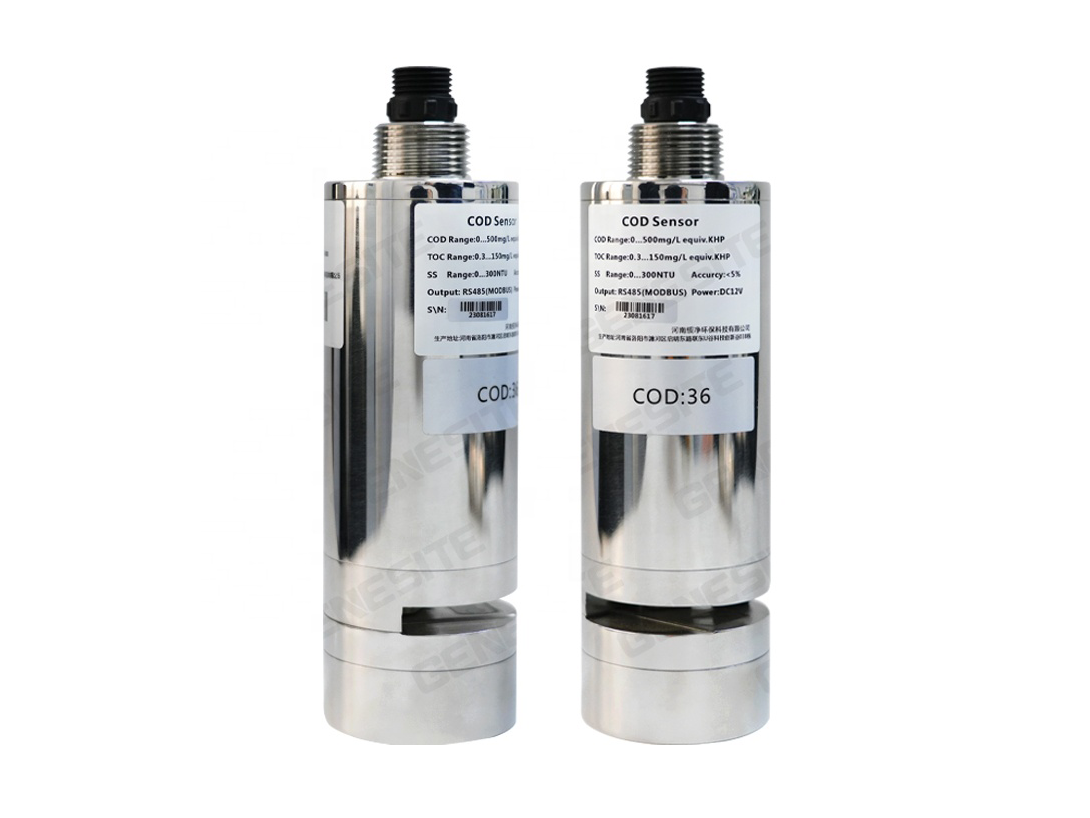
In the realm of electronic components, particularly within the sensor category, customized COD (Chemical Oxygen Demand) sensors represent a significant advancement in monitoring and analysis. These sensors play a crucial role in assessing water quality, particularly in industrial applications where understanding the concentration of organic pollutants is vital.
At their core, customized COD sensors are tailored to meet the unique requirements of specific environments or processes. This customization can include variations in sensitivity, range, and response time, allowing for precise measurements that align with the particular needs of your application. Whether it's for wastewater treatment plants, environmental monitoring, or industrial processes, these sensors deliver reliable data that can inform decisions and enhance operational efficiency.
One of the most significant advantages of using customized COD sensors is their ability to provide real-time monitoring. This capability is essential for industries that require immediate feedback to maintain compliance with environmental regulations or to optimize production processes. By utilizing these sensors, companies can quickly identify fluctuations in water quality, enabling timely interventions to mitigate potential issues.
Moreover, the design and development of customized COD sensors often involve advanced technology, including sophisticated algorithms and materials that enhance durability and accuracy. This ensures that the sensors can function effectively under various environmental conditions, such as temperature fluctuations, pressure changes, and the presence of corrosive substances.
Another consideration is the integration of these sensors with existing systems. Many customized COD sensors come equipped with communication protocols that allow for seamless integration into monitoring platforms or IoT networks. This connectivity facilitates data collection and analysis, leading to actionable insights that can improve water management strategies and operational practices.
When selecting a customized COD sensor, it is important to consider factors such as measurement range, response time, and calibration requirements. Working closely with manufacturers or technical experts can help you determine the most suitable specifications for your application, ensuring optimal performance and reliability.
In conclusion, customized COD sensors are a vital tool for any industry that relies on water quality monitoring. Their ability to be tailored to specific needs, coupled with real-time data acquisition and integration capabilities, positions them as an essential component for effective environmental management and operational efficiency. Embracing this technology not only enhances compliance with regulatory standards but also supports sustainability initiatives, making it a wise investment for forward-thinking organizations.
TAG:

Contact Us
E-mail :
andrew@genesit1.com
Phone:
+8615896508337
Address:
Chanhe Industrial Park,LuoYang City, Henan Province,China


SAF Coolest v1.3.1.2 设置面板 GAGSD-AGYF-JZZQE-ZAV
违禁词: 第一,最,一流,领先,独一无二,王者,龙头,领导者,极致,
无数据提示
Sorry,当前栏目正在更新中,敬请期待!
您可以查看其他栏目或返回 首页