GENESITE Environmental Protection Technology Co., Ltd.

Essential Insights on Multiparameter Water Quality Probes for Electrical and Electronic Applications
Aug 21,2026
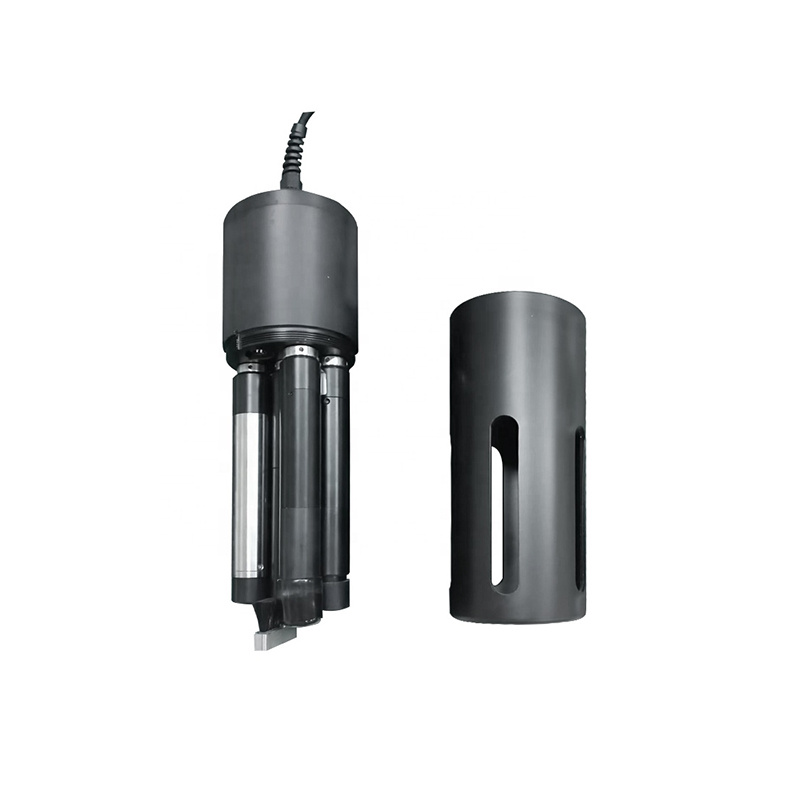
Multiparameter Water Quality Probes are vital instruments used to monitor various physical and chemical parameters of water. These probes are designed to measure multiple water quality indicators such as pH, turbidity, dissolved oxygen, conductivity, and temperature, providing a holistic view of water conditions. Their versatility and accuracy make them indispensable in a wide range of applications, from environmental monitoring to industrial processes.
One of the primary features of Multiparameter Water Quality Probes is their ability to provide real-time data. This characteristic is crucial for industries that require immediate responses to fluctuations in water quality, such as aquaculture, wastewater treatment, and even drinking water management. By continuously monitoring multiple parameters, these probes enable operators to make informed decisions, ensuring compliance with environmental regulations and optimizing operational efficiency.
When selecting a Multiparameter Water Quality Probe, several factors should be taken into account. First, consider the specific parameters you need to monitor. Different probes are designed to measure different combinations of indicators, so it’s essential to choose one that aligns with your monitoring requirements. Additionally, factors such as the environment in which the probe will be used, the required accuracy levels, and the durability of the device against potential chemical exposure or physical wear should also influence your decision.
Another critical aspect is the calibration and maintenance of the probes. Regular calibration is necessary to ensure the accuracy of measurements over time. Operators should also be aware of the maintenance requirements, including cleaning and replacing sensors, which can vary based on the type of water being tested and the operating environment.
Integration with electronic systems is another advantage of Multiparameter Water Quality Probes. Many models come with digital outputs that can easily interface with existing monitoring systems. This connectivity allows for data logging, remote monitoring, and alarm systems that alert users to any deviations from preset thresholds. Such features are particularly valuable in industrial settings where prompt reactions to changes in water quality can prevent costly downtime or environmental incidents.
In conclusion, Multiparameter Water Quality Probes are essential tools for effectively monitoring and managing water quality across various sectors. Their ability to measure multiple parameters simultaneously makes them invaluable in promoting efficiency and compliance within the electrical and electronic industry. By carefully selecting, calibrating, and integrating these probes into monitoring systems, users can enhance their operational capabilities and ensure the integrity of their water resources.
TAG:
PREVIOUS:

Contact Us
E-mail :
andrew@genesit1.com
Phone:
+8615896508337
Address:
Chanhe Industrial Park,LuoYang City, Henan Province,China


SAF Coolest v1.3.1.2 设置面板 GAGSD-AGYF-JZZQE-ZAV
违禁词: 第一,最,一流,领先,独一无二,王者,龙头,领导者,极致,
无数据提示
Sorry,当前栏目正在更新中,敬请期待!
您可以查看其他栏目或返回 首页