GENESITE Environmental Protection Technology Co., Ltd.

Exploring the Potential of China Calcium Ion Sensors in Modern Applications
Aug 29,2026
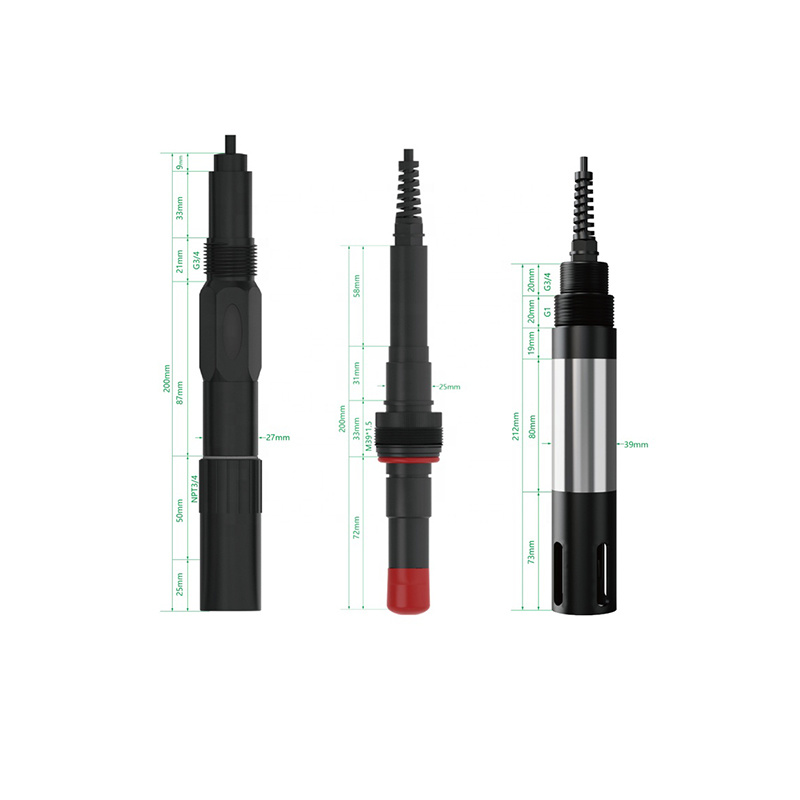
Calcium ion sensors are increasingly becoming vital components in various technological applications, particularly in fields such as healthcare, environmental monitoring, and industrial automation. In recent years, China has emerged as a significant player in the development and production of these sensors, leveraging advanced materials and innovative design to enhance their performance.
At their core, calcium ion sensors are designed to detect and measure the concentration of calcium ions (Ca²⁺) in various solutions. These sensors are typically based on electrochemical principles, utilizing ion-selective electrodes or fluorescence methods to provide real-time measurements. The importance of monitoring calcium ion levels cannot be overstated, as these ions play a critical role in numerous biological processes, including muscle contraction, neurotransmitter release, and blood coagulation.
In the field of biotechnology, China’s calcium ion sensors are proving to be invaluable tools for researchers and healthcare professionals. They can be used in assays to monitor cellular processes, track signaling pathways, and even detect diseases at an early stage. This capability is particularly important in developing personalized medicine approaches, where understanding calcium dynamics can lead to more effective treatment plans.
Environmental monitoring is another area where China’s calcium ion sensors shine. These sensors can be deployed in water quality assessment, helping detect calcium levels in natural water bodies and industrial effluents. Accurate measurement of calcium ions is essential for ensuring compliance with environmental regulations and for maintaining ecosystem health. Furthermore, the ability to continuously monitor calcium levels can assist in preventing potential environmental hazards.
In industrial settings, calcium ion sensors can monitor processes such as chemical manufacturing, food processing, and water treatment. The ability to accurately measure calcium concentrations allows for better control of reactions and product quality. Moreover, these sensors can help in optimizing resource usage, thereby enhancing efficiency and reducing waste.
One of the significant advantages of calcium ion sensors developed in China is their adaptability to various environments and applications. With advancements in materials science, many modern sensors can operate in extreme conditions, whether it be high temperatures, varying pH levels, or the presence of interfering substances. This opens the door to a broader range of applications, making them suitable for diverse industries.
In conclusion, the advancements in calcium ion sensor technology in China reflect a growing trend towards precision and efficiency in measurement disciplines. As these sensors continue to evolve, they will play an increasingly crucial role in ensuring safety, enhancing research capabilities, and improving industrial processes across various sectors. Whether in healthcare, environmental monitoring, or industrial applications, the potential for calcium ion sensors is vast, making them an exciting area of development in the electronic components and sensor industry.
TAG:

Contact Us
E-mail :
andrew@genesit1.com
Phone:
+8615896508337
Address:
Chanhe Industrial Park,LuoYang City, Henan Province,China


SAF Coolest v1.3.1.2 设置面板 GAGSD-AGYF-JZZQE-ZAV
违禁词: 第一,最,一流,领先,独一无二,王者,龙头,领导者,极致,
无数据提示
Sorry,当前栏目正在更新中,敬请期待!
您可以查看其他栏目或返回 首页