GENESITE Environmental Protection Technology Co., Ltd.

Understanding the Role of Water Sampler Manufacturers in Pharmaceutical and Healthcare Applications
Sep 06,2026
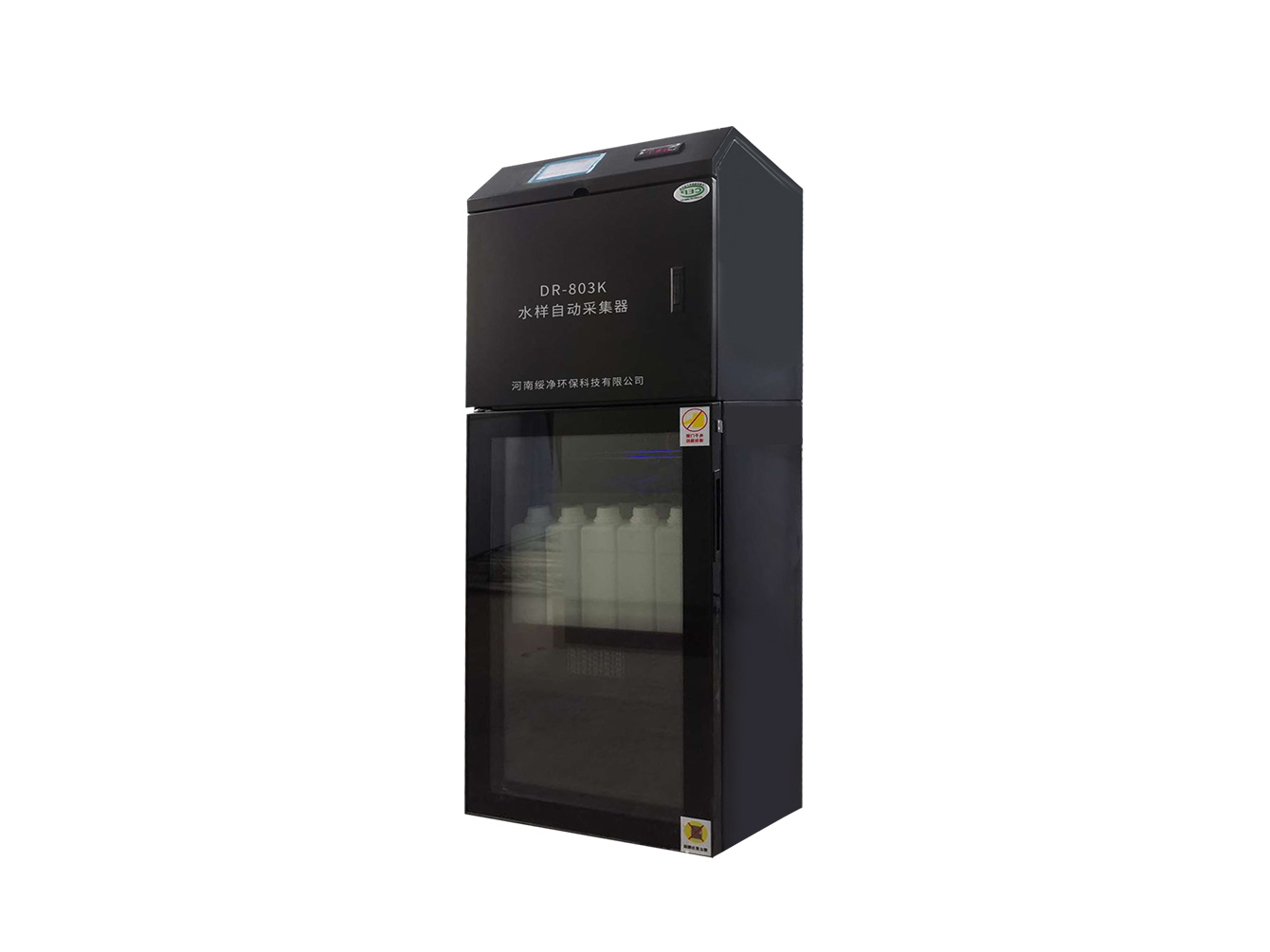
Water sampling is a critical process in the pharmaceutical and healthcare industries, ensuring that the quality and safety of water used in various applications meet stringent regulatory standards. Water sampler manufacturers play a vital role in this process by designing and producing specialized equipment that enables precise and efficient sampling. Understanding the technologies and innovations in water sampling can help professionals in these industries make informed decisions regarding their sampling needs.
One of the primary functions of water samplers is to collect representative water samples from various sources, including lakes, rivers, reservoirs, and manufacturing processes. These samplers are designed to capture samples in a way that accurately reflects the water's composition, which is essential for effective analysis. The technology used in these samplers can vary, including passive and active sampling methods, each suited for different applications and environmental conditions.
Passive water samplers generally rely on the natural flow of water to collect samples over time, allowing for integrated and comprehensive data about water quality. Active samplers, on the other hand, often involve pump systems or other mechanisms to extract water samples at specific intervals or under controlled conditions. This versatility allows professionals to select the appropriate type of sampler based on their specific requirements, ensuring the reliability of their analysis.
In addition to the sampling method, water sampler manufacturers often focus on materials and design features that enhance the longevity and reliability of their products. For instance, corrosion-resistant materials are commonly used to ensure that the samplers can withstand harsh environmental conditions and various water chemistries without compromising the integrity of the samples collected. Advanced sealing technologies are also employed to prevent contamination during the sampling process, which is crucial for achieving accurate results.
Moreover, water sampler manufacturers may provide additional support through calibration and validation services. These services are essential for ensuring that the sampling equipment operates correctly and produces reliable data. Regular maintenance and calibration help mitigate any potential issues that could arise from equipment wear and tear, further enhancing the accuracy of water quality assessments.
In conclusion, the role of water sampler manufacturers extends beyond merely producing equipment; they also contribute significantly to the reliability and accuracy of water quality analysis in the pharmaceutical and healthcare sectors. By understanding the different types of water samplers, their technologies, and the importance of proper maintenance, professionals in these industries can ensure that they are utilizing the best practices for water sampling. This ultimately supports compliance with health and safety regulations and enhances the overall quality of products and processes within the sector.
One of the primary functions of water samplers is to collect representative water samples from various sources, including lakes, rivers, reservoirs, and manufacturing processes. These samplers are designed to capture samples in a way that accurately reflects the water's composition, which is essential for effective analysis. The technology used in these samplers can vary, including passive and active sampling methods, each suited for different applications and environmental conditions.
Passive water samplers generally rely on the natural flow of water to collect samples over time, allowing for integrated and comprehensive data about water quality. Active samplers, on the other hand, often involve pump systems or other mechanisms to extract water samples at specific intervals or under controlled conditions. This versatility allows professionals to select the appropriate type of sampler based on their specific requirements, ensuring the reliability of their analysis.
In addition to the sampling method, water sampler manufacturers often focus on materials and design features that enhance the longevity and reliability of their products. For instance, corrosion-resistant materials are commonly used to ensure that the samplers can withstand harsh environmental conditions and various water chemistries without compromising the integrity of the samples collected. Advanced sealing technologies are also employed to prevent contamination during the sampling process, which is crucial for achieving accurate results.
Moreover, water sampler manufacturers may provide additional support through calibration and validation services. These services are essential for ensuring that the sampling equipment operates correctly and produces reliable data. Regular maintenance and calibration help mitigate any potential issues that could arise from equipment wear and tear, further enhancing the accuracy of water quality assessments.
In conclusion, the role of water sampler manufacturers extends beyond merely producing equipment; they also contribute significantly to the reliability and accuracy of water quality analysis in the pharmaceutical and healthcare sectors. By understanding the different types of water samplers, their technologies, and the importance of proper maintenance, professionals in these industries can ensure that they are utilizing the best practices for water sampling. This ultimately supports compliance with health and safety regulations and enhances the overall quality of products and processes within the sector.
TAG:

Contact Us
E-mail :
andrew@genesit1.com
Phone:
+8615896508337
Address:
Chanhe Industrial Park,LuoYang City, Henan Province,China


SAF Coolest v1.3.1.2 设置面板 GAGSD-AGYF-JZZQE-ZAV
违禁词: 第一,最,一流,领先,独一无二,王者,龙头,领导者,极致,
无数据提示
Sorry,当前栏目正在更新中,敬请期待!
您可以查看其他栏目或返回 首页