GENESITE Environmental Protection Technology Co., Ltd.

How Conductivity Analyzers Aid in Troubleshooting Automotive Issues
Sep 10,2026
How Conductivity Analyzers Aid in Troubleshooting Automotive Issues
Table of Contents
- Introduction to Conductivity Analyzers in Automotive Diagnostics
- Understanding Conductivity and Its Importance
- Functionality of Conductivity Analyzers
- Applications of Conductivity Analyzers in Automotive Repair
- Coolant Analysis: Identifying Problems Before They Escalate
- Electrical System Monitoring: Ensuring Efficiency and Performance
- Maintenance Tips for Conductivity Analyzers
- The Future of Conductivity Analyzers in Automotive Technology
- Frequently Asked Questions
- Conclusion: The Essential Role of Conductivity Analyzers in Automotive Diagnostics
Introduction to Conductivity Analyzers in Automotive Diagnostics
In the ever-evolving world of automotive technology, the ability to accurately diagnose and troubleshoot issues is paramount. Conductivity analyzers are specialized tools that have emerged as vital instruments in this process. These analyzers facilitate the assessment of various fluids and materials within an automotive system, enhancing our capability to detect problems before they escalate into costly repairs. In this article, we will explore how conductivity analyzers work, their applications in automotive diagnostics, and why they are essential for any professional mechanic or automotive technician.
Understanding Conductivity and Its Importance
Conductivity refers to the ability of a substance to conduct electric current. In automotive applications, conductivity is particularly important in assessing the quality and condition of fluids, such as engine coolant and battery electrolyte. High conductivity levels can indicate contaminants, while low levels may suggest deterioration of the fluid's protective properties.
Understanding the principles of conductivity helps automotive professionals make informed decisions about fluid replacement and system maintenance. This ensures optimal vehicle performance and longevity, allowing for seamless and reliable operation.
Functionality of Conductivity Analyzers
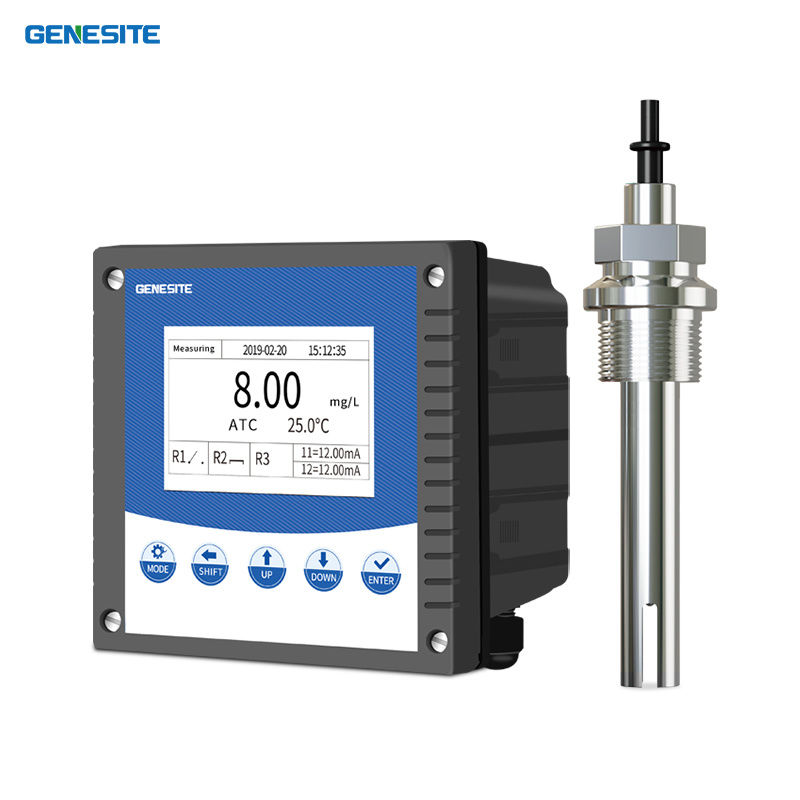
Conductivity analyzers function by measuring the electrical conductivity of a fluid or solution. These devices typically consist of electrodes submerged in the fluid, which measure the flow of electric current through it. The resulting conductivity measurement is then displayed digitally, providing immediate feedback on the fluid's condition.
Most conductivity analyzers are equipped with features such as temperature compensation, which ensures accurate readings regardless of thermal fluctuations. Additionally, advanced models may include data logging capabilities, enabling technicians to track changes over time and analyze trends in fluid quality.
Applications of Conductivity Analyzers in Automotive Repair
The versatility of conductivity analyzers allows them to be applied in various aspects of automotive repair. Some of the most notable applications include:
Coolant Analysis: Identifying Problems Before They Escalate
Engine coolants are critical for maintaining optimal operating temperatures. Conductivity analyzers can quickly assess the condition of coolant by measuring its conductivity. An increase in conductivity may indicate the presence of contaminants such as metal particles or corrosion inhibitors that have broken down. Detecting these issues early on can help prevent overheating and engine damage, saving vehicle owners significant repair costs.
Electrical System Monitoring: Ensuring Efficiency and Performance
Conductivity analyzers are also essential for monitoring the health of an automotive electrical system. By testing the electrolyte solution in batteries, technicians can determine the battery's state of health. Low conductivity readings may signal sulfation or contamination, which can lead to battery failure. Regular testing ensures that automotive batteries provide reliable performance and helps technicians identify when a battery replacement is necessary.
Maintenance Tips for Conductivity Analyzers
To ensure the longevity and accuracy of conductivity analyzers, proper maintenance is essential. Here are some helpful tips:
1. **Regular Calibration**: Conductivity analyzers should be calibrated according to the manufacturer’s specifications to ensure accurate readings.
2. **Electrode Care**: Keep electrodes clean and free from contaminants. Rinse them with distilled water after each use and store them properly.
3. **Data Management**: If your analyzer includes data logging features, regularly transfer data to a secure system for analysis and record-keeping.
4. **Software Updates**: Stay updated with any software or firmware updates released by the manufacturer to enhance the functionality of your device.
5. **Protect from Extreme Conditions**: Avoid exposing the analyzer to extreme temperatures or harsh environments that may damage its components.
The Future of Conductivity Analyzers in Automotive Technology
As the automotive industry continues to advance, the role of conductivity analyzers is expected to evolve. With the rise of electric vehicles (EVs) and hybrid technologies, the need for efficient energy storage and management becomes increasingly important. Conductivity analyzers will play a crucial role in monitoring the performance of batteries and ensuring they operate within optimal parameters.
Furthermore, the integration of artificial intelligence (AI) and machine learning into diagnostic tools will enhance the capabilities of conductivity analyzers. These advancements will enable more precise diagnostics, predictive maintenance, and ultimately, improved vehicle performance.
Frequently Asked Questions
1. What is a conductivity analyzer?
Conductivity analyzers are devices designed to measure the electrical conductivity of liquids, helping to assess fluid quality in automotive systems.
2. Why is conductivity important in automotive applications?
Conductivity helps identify contamination levels in fluids like coolant and battery electrolyte, ensuring vehicles operate efficiently and preventing potential damage.
3. How often should I use a conductivity analyzer on my vehicle?
It is recommended to test engine coolant and battery electrolyte levels at regular intervals, or whenever you notice performance issues.
4. Can conductivity analyzers be used on fluids other than coolant and battery electrolyte?
Yes, conductivity analyzers can be used for various fluids, including transmission fluid, brake fluid, and even water quality assessments.
5. Are there different types of conductivity analyzers available?
Yes, conductivity analyzers come in various models, ranging from portable handheld devices to sophisticated lab-grade instruments with advanced features.
Conclusion: The Essential Role of Conductivity Analyzers in Automotive Diagnostics
Conductivity analyzers have become indispensable tools in the automotive repair industry, providing crucial insights into the quality of fluids and the overall health of vehicle systems. Their ability to diagnose potential issues proactively not only saves time and money but also enhances vehicle reliability and longevity. By understanding and utilizing these devices, automotive professionals can ensure optimal performance, giving vehicle owners peace of mind on the road. As technology continues to advance, the significance of conductivity analyzers will undoubtedly grow, reinforcing their essential role in automotive diagnostics.
TAG:
PREVIOUS:

Contact Us
E-mail :
andrew@genesit1.com
Phone:
+8615896508337
Address:
Chanhe Industrial Park,LuoYang City, Henan Province,China


SAF Coolest v1.3.1.2 设置面板 GAGSD-AGYF-JZZQE-ZAV
违禁词: 第一,最,一流,领先,独一无二,王者,龙头,领导者,极致,
无数据提示
Sorry,当前栏目正在更新中,敬请期待!
您可以查看其他栏目或返回 首页