GENESITE Environmental Protection Technology Co., Ltd.

Understanding COD Sensors: Essential Tools for Water Quality Monitoring
Mar 14,2025
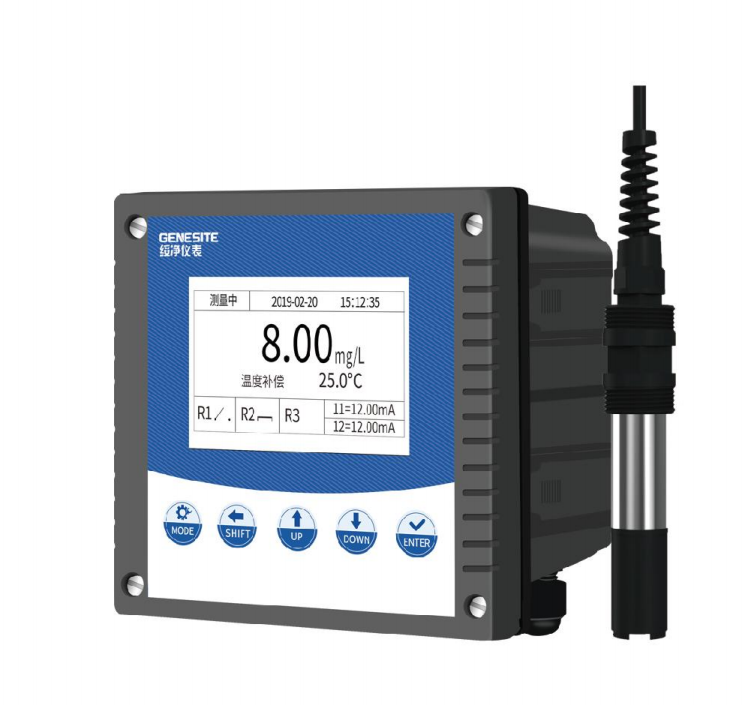
Chemical Oxygen Demand (COD) sensors are vital instruments used in water quality monitoring. They play a significant role in assessing the pollution level of water bodies, which is essential for environmental protection and compliance with regulatory standards. COD is a measure of the total amount of oxygen that is required to chemically oxidize organic matter in water. High COD levels typically indicate a high concentration of pollutants, making COD sensors indispensable for ensuring clean water.
The operation of COD sensors is based on the principle of measuring the amount of oxygen consumed by the decomposition of organic compounds in a sample. These sensors can provide real-time data, making them particularly useful in various applications, such as wastewater treatment facilities, industrial discharges, and environmental monitoring. By analyzing COD levels, facilities can determine the effectiveness of their treatment processes and ensure that the effluent released into the environment meets safety standards.
One of the primary advantages of using COD sensors is their ability to deliver rapid results. In many cases, traditional COD testing methods can take hours or even days to yield results. However, modern COD sensors can provide instantaneous readings, allowing for quicker decision-making in critical situations. This immediacy is particularly beneficial in industrial settings where water quality can fluctuate frequently due to varying operational conditions.
Moreover, COD sensors are crucial for industries that rely heavily on water resources, such as agriculture, food and beverage production, and pharmaceuticals. By maintaining optimal COD levels, these industries not only comply with environmental regulations but also protect their operational efficiency. For example, in agriculture, high COD levels can adversely affect soil health and crop yield, while in the food industry, it can compromise product quality.
In addition to their industrial applications, COD sensors are also used in environmental research to monitor ecosystems and assess the impact of human activities on water quality. Researchers utilize these sensors to gather data that can help them understand the dynamics of aquatic environments and develop strategies for conservation and restoration.
As environmental concerns continue to grow globally, the importance of accurate and efficient water quality monitoring through COD sensors cannot be overstated. These sensors not only aid in pollution control but also contribute to sustainable practices across various sectors. Understanding their functionality and applications can help individuals and organizations make informed decisions regarding water management and environmental stewardship.
In conclusion, COD sensors are indispensable tools for ensuring water quality and environmental protection. Their ability to provide fast and reliable data makes them essential for industries and researchers alike. As technology advances, the capabilities and applications of COD sensors will likely expand, further enhancing our ability to safeguard our water resources.

Contact Us
E-mail :
andrew@genesit1.com
Phone:
+8615896508337
Address:
Chanhe Industrial Park,LuoYang City, Henan Province,China

SAF Coolest v1.3.1.2 设置面板 GAGSD-AGYF-JZZQE-ZAV
无数据提示
Sorry,当前栏目正在更新中,敬请期待!
您可以查看其他栏目或返回 首页