GENESITE Environmental Protection Technology Co., Ltd.

Exploring the Advantages of Advanced Sensor and Controller Technology
Mar 15,2025
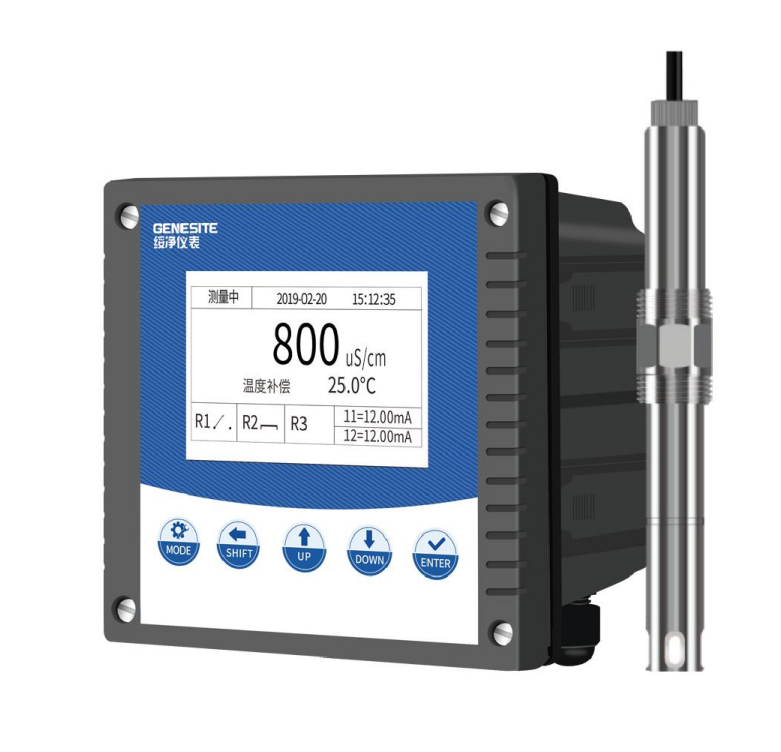
Exploring the Advantages of Advanced Sensor and Controller Technology
Table of Contents
- 1. Introduction to Sensor and Controller Technology
- 2. What Are Sensors and Controllers?
- 3. Types of Sensors and Their Applications
- 4. Advantages of Advanced Sensor Technology
- 5. The Role of Controllers in Sensor Systems
- 6. Integration and Automation: A Perfect Match
- 7. Real-World Applications of Advanced Sensors and Controllers
- 8. The Future of Sensor and Controller Technology
- 9. Frequently Asked Questions
- 10. Conclusion
1. Introduction to Sensor and Controller Technology
In today's fast-paced technological landscape, **advanced sensor and controller technology** has emerged as a game-changer across diverse industries. By enhancing capabilities in **automation**, **monitoring**, and **data collection**, these technologies are propelling industries toward unprecedented levels of efficiency and innovation. Understanding their advantages is crucial for businesses aiming to remain competitive in a rapidly evolving environment.
2. What Are Sensors and Controllers?
Sensors are devices that detect changes in the environment or system conditions and convert these changes into signals that can be read by other devices or systems. Controllers, on the other hand, process these signals and make decisions based on predefined criteria. Together, sensors and controllers form the backbone of many automation systems, enabling responsive and intelligent operations.
2.1 The Science Behind Sensors
Sensors operate through various principles such as **mechanical**, **optical**, **thermal**, and **chemical** phenomena. For instance, temperature sensors utilize thermocouples to measure heat, while pressure sensors may use piezoelectric materials to detect force changes.
2.2 Understanding Controllers
Controllers function by interpreting sensor data and executing commands to maintain desired conditions in a system. They can be simple, like thermostats, or complex, such as programmable logic controllers (PLCs) used in industrial automation.
3. Types of Sensors and Their Applications
A plethora of sensors exists, each designed for specific applications across various fields. Here are some common types:
3.1 Temperature Sensors
Used in HVAC systems, food processing, and manufacturing, temperature sensors help maintain optimal conditions by providing real-time data.
3.2 Proximity Sensors
Employed in industrial automation, proximity sensors detect the presence or absence of objects without physical contact, enhancing efficiency and accuracy in production lines.
3.3 Pressure Sensors
These sensors monitor pressure levels in various applications, from automotive systems to medical devices, ensuring optimal performance and safety.
3.4 Light Sensors
Utilized in smart lighting systems, light sensors adjust brightness levels based on ambient light conditions, promoting energy conservation and user comfort.
4. Advantages of Advanced Sensor Technology
The integration of advanced sensing technologies offers numerous benefits that significantly impact productivity and precision.
4.1 Enhanced Accuracy and Precision
Advanced sensors deliver improved accuracy and precision, enabling businesses to make data-driven decisions with confidence. This accuracy is essential in applications like **healthcare** and **automotive safety**, where even minor errors can lead to significant consequences.
4.2 Real-Time Data Collection
With advanced sensors, real-time data collection becomes a reality. This capability allows businesses to monitor systems continuously, leading to timely interventions and improved operational performance.
4.3 Cost Efficiency
Investing in advanced sensor technology can lead to substantial cost savings over time. By optimizing processes and reducing waste, organizations can improve their bottom line while maintaining high-quality standards.
4.4 Improved Safety and Reliability
Advanced sensors enhance safety protocols by providing critical information that helps prevent accidents and equipment failures. This reliability is crucial in sectors like manufacturing, where operational downtime can be costly.
5. The Role of Controllers in Sensor Systems
Controllers play a pivotal role in the functionality of sensor systems, acting as the brains that process data and execute commands.
5.1 Decision-Making Capabilities
Controllers analyze sensor inputs to make decisions that optimize system performance. For example, in climate control systems, a controller adjusts heating or cooling based on temperature readings.
5.2 Automation and Process Control
With the ability to automate repetitive tasks, controllers enable businesses to improve efficiency and reduce labor costs. This automation accelerates production cycles and minimizes human error.
6. Integration and Automation: A Perfect Match
The synergy between advanced sensors and controllers facilitates seamless integration into existing systems, leading to enhanced automation.
6.1 Smart Manufacturing
In smart manufacturing environments, integrated sensor systems allow for real-time monitoring of equipment and processes. This connectivity enables predictive maintenance, reducing downtime and increasing productivity.
6.2 IoT and Remote Monitoring
The rise of the Internet of Things (IoT) has amplified the relevance of sensors and controllers. Remote monitoring capabilities allow businesses to track performance metrics from anywhere, enabling prompt responses to potential issues.
7. Real-World Applications of Advanced Sensors and Controllers
The implications of advanced sensor and controller technology span numerous industries, showcasing their versatility and transformative power.
7.1 Automotive Industry
In the automotive sector, advanced sensors enhance safety features such as collision avoidance systems, adaptive cruise control, and lane-keeping assistance. These technologies are pivotal in the development of autonomous vehicles.
7.2 Healthcare
Healthcare applications utilize advanced sensors for patient monitoring, enabling real-time assessments of vital signs. These technologies improve patient outcomes and streamline care delivery.
7.3 Smart Homes
Smart home technology employs sensors and controllers to create automated environments that enhance comfort and security. From smart thermostats to security systems, these innovations provide convenience and peace of mind.
7.4 Industrial Automation
Advanced sensors in industrial automation enhance quality control by monitoring production processes and ensuring adherence to standards. Controllers facilitate seamless operations, resulting in higher efficiency and reduced waste.
8. The Future of Sensor and Controller Technology
The future of sensor and controller technology is promising, with advancements in artificial intelligence (AI) and machine learning (ML) set to revolutionize their capabilities.
8.1 AI-Driven Insights
AI technologies will enable sensors to not only collect data but also analyze it for predictive insights, allowing businesses to anticipate issues before they arise.
8.2 The Rise of Autonomous Systems
As sensors and controllers become more sophisticated, the emergence of fully autonomous systems will reshape industries. From agriculture to logistics, these technologies will drive efficiency and sustainability.
9. Frequently Asked Questions
9.1 What are the primary functions of sensors in industrial applications?
Sensors in industrial applications primarily monitor environmental conditions, detect anomalies, and provide data for process control and automation.
9.2 How do advanced sensors improve safety in manufacturing?
Advanced sensors enhance safety by continuously monitoring equipment performance, detecting potential hazards, and enabling timely interventions to prevent accidents.
9.3 Are advanced sensors compatible with existing systems?
Yes, most advanced sensors are designed for easy integration with existing systems, ensuring a smooth transition to enhanced capabilities without the need for extensive overhauls.
9.4 What industries benefit the most from advanced sensor technology?
Industries such as automotive, healthcare, manufacturing, and smart home technology benefit significantly from advanced sensor technology due to their need for precision and efficiency.
9.5 How will the future of sensor technology impact everyday life?
The future of sensor technology will lead to smarter infrastructures, enhanced health monitoring, and increased automation in everyday devices, making life more convenient and efficient.
10. Conclusion
In conclusion, the exploration of advanced sensor and controller technology reveals profound advantages that can significantly enhance operational efficiency, safety, and cost-effectiveness across various sectors. As these technologies continue to evolve, their integration will undoubtedly play a vital role in shaping the future of industries worldwide. Embracing these innovations will enable businesses to stay ahead of the curve, ensuring they remain competitive in an increasingly automated and data-driven world.
PREVIOUS:

Contact Us
E-mail :
andrew@genesit1.com
Phone:
+8615896508337
Address:
Chanhe Industrial Park,LuoYang City, Henan Province,China

SAF Coolest v1.3.1.2 设置面板 GAGSD-AGYF-JZZQE-ZAV
无数据提示
Sorry,当前栏目正在更新中,敬请期待!
您可以查看其他栏目或返回 首页