GENESITE Environmental Protection Technology Co., Ltd.

The Critical Link Between Chlorine Dioxide Sensors and Regulatory Compliance
Mar 17,2025
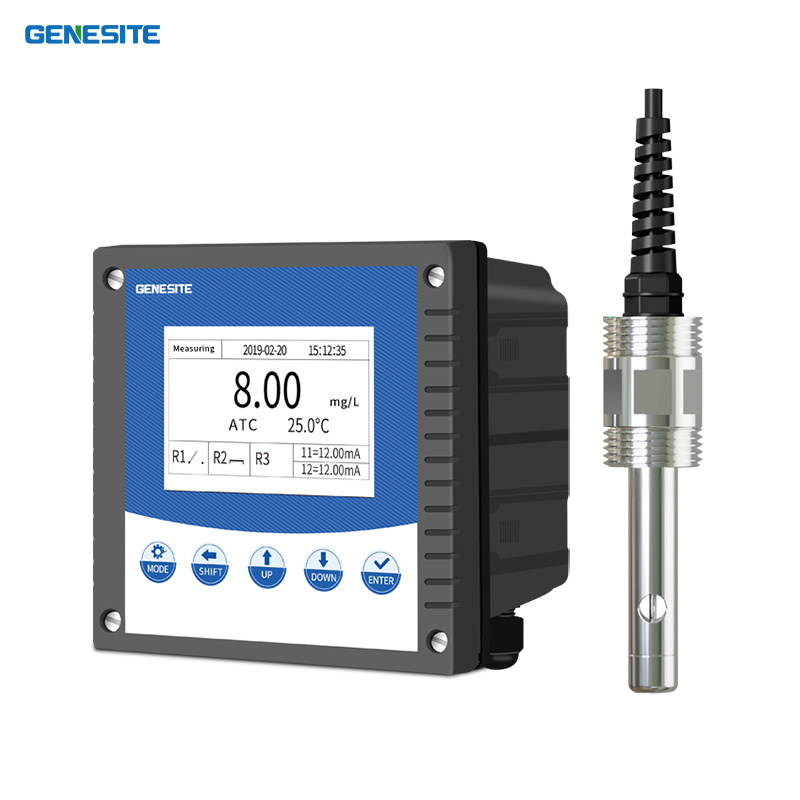
The Critical Link Between Chlorine Dioxide Sensors and Regulatory Compliance
Introduction
In today’s industrial landscape, ensuring safety and environmental compliance is paramount. **Chlorine dioxide sensors** have emerged as essential tools for monitoring chlorine dioxide levels in various settings, including water treatment, food processing, and healthcare. These sensors not only help maintain safety standards but also play a crucial role in regulatory compliance. In this article, we will explore the relationship between chlorine dioxide sensors and regulatory frameworks, their applications, and how businesses can leverage these technologies to enhance compliance.
Understanding Chlorine Dioxide and Its Applications
What is Chlorine Dioxide?
Chlorine dioxide (ClO2) is a powerful oxidizing agent used primarily for disinfection and bleaching. It is favored for its effectiveness against bacteria, viruses, and other pathogens without forming harmful byproducts like trihalomethanes. Its applications range from municipal water treatment to the food industry and healthcare facilities.
Applications of Chlorine Dioxide
The versatility of chlorine dioxide makes it suitable for various applications:
1. Water Treatment
In municipal and industrial water treatment facilities, chlorine dioxide is used to disinfect drinking water, removing contaminants and ensuring safety for public consumption.
2. Food Processing
In the food industry, chlorine dioxide helps sanitize equipment and surfaces, ensuring that products remain free from harmful microorganisms.
3. Healthcare Settings
Chlorine dioxide is also utilized in hospitals and clinics for sterilizing instruments and disinfecting surfaces, contributing to patient safety.
Regulatory Compliance: Why It Matters
Regulatory compliance is crucial in industries that use chlorine dioxide due to the potential health risks associated with improper handling or exposure. Regulatory bodies, such as the Environmental Protection Agency (EPA) and Occupational Safety and Health Administration (OSHA), establish guidelines and standards to ensure safety.
Key Regulations Governing Chlorine Dioxide Usage
Understanding the regulations related to chlorine dioxide is essential for businesses. Some key regulations include:
1. EPA Regulations
The EPA regulates chlorine dioxide under the Safe Drinking Water Act, setting limits for its concentration in drinking water to protect public health.
2. OSHA Standards
OSHA establishes permissible exposure limits (PELs) for chlorine dioxide in the workplace to safeguard employees from health hazards.
3. FDA Guidelines
In food processing, the FDA stipulates allowable levels of chlorine dioxide for sanitizing food contact surfaces.
The Role of Chlorine Dioxide Sensors in Compliance
Chlorine dioxide sensors are instrumental in ensuring compliance with these regulations. They provide real-time monitoring of chlorine dioxide levels, enabling businesses to maintain safe operating conditions.
How Chlorine Dioxide Sensors Work
These sensors operate by detecting the concentration of chlorine dioxide in the environment. Typically, they employ electrochemical or colorimetric methods to provide accurate readings. This real-time data allows operators to take immediate action if levels exceed permissible limits.
Types of Chlorine Dioxide Sensors
There are several types of chlorine dioxide sensors available, each with its advantages:
1. Electrochemical Sensors
These sensors utilize chemical reactions to measure chlorine dioxide levels. They are known for their accuracy and rapid response times.
2. Colorimetric Sensors
Colorimetric sensors detect chlorine dioxide through a color change in a reagent solution. These sensors are often used for spot checks but may not provide continuous monitoring.
3. Portable vs. Fixed Sensors
Portable sensors are ideal for field use, providing flexibility in monitoring different locations, while fixed sensors are suited for continuous monitoring in specific environments.
Benefits of Using Chlorine Dioxide Sensors for Compliance
Implementing chlorine dioxide sensors offers numerous benefits that aid in regulatory compliance:
1. Enhanced Safety
By providing real-time monitoring, these sensors help prevent dangerous levels of chlorine dioxide, ensuring a safer environment for workers and the public.
2. Improved Operational Efficiency
Continuous monitoring allows for quick response to anomalies, reducing downtime and maintaining efficiency in operations.
3. Documentation and Reporting
Many chlorine dioxide sensors come equipped with data logging capabilities, enabling businesses to maintain records that demonstrate compliance during inspections.
4. Cost-Effectiveness
Investing in chlorine dioxide sensors can reduce the likelihood of costly regulatory fines and improve overall safety, leading to significant long-term savings.
Implementing Chlorine Dioxide Sensors in Your Operations
To effectively utilize chlorine dioxide sensors, businesses should follow these steps:
1. Assess Your Needs
Evaluate the specific requirements of your operations, considering factors such as the application, scale, and regulatory obligations.
2. Choose the Right Sensor
Select the appropriate type of sensor based on your needs—whether it’s for continuous monitoring or portable use.
3. Regular Calibration and Maintenance
Ensure that sensors are calibrated regularly to maintain accuracy. Establish a maintenance schedule to check for any malfunctions.
4. Training and Safety Protocols
Train employees on the proper use and interpretation of sensor readings. Develop safety protocols to address potential exposure incidents.
Future Trends in Chlorine Dioxide Sensing Technology
As technology advances, the future of chlorine dioxide sensing looks promising. Emerging trends include:
1. Smart Sensors
Integration with IoT technology allows for remote monitoring and data analysis, enhancing safety and operational efficiency.
2. Enhanced Sensitivity and Accuracy
Innovations in sensor materials and technology are leading to more sensitive and accurate detection methods.
Frequently Asked Questions (FAQs)
1. What is the maximum allowable concentration of chlorine dioxide in drinking water?
The EPA has set the maximum residual disinfectant limit (MRDL) for chlorine dioxide in drinking water at 0.8 mg/L.
2. How often should chlorine dioxide sensors be calibrated?
Chlorine dioxide sensors should be calibrated regularly, typically every six months or according to the manufacturer’s recommendations.
3. Can chlorine dioxide sensors provide real-time monitoring?
Yes, many chlorine dioxide sensors are designed for real-time monitoring and can alert operators to any unsafe levels immediately.
4. Are there portable chlorine dioxide sensors available?
Yes, there are several portable chlorine dioxide sensors that are ideal for fieldwork and spot checks.
5. What should I do if my chlorine dioxide sensor detects high levels?
If high levels are detected, immediately implement safety protocols, evacuate the area if necessary, and investigate the source of the increase.
Conclusion
The relationship between chlorine dioxide sensors and regulatory compliance is integral to maintaining safety and operational efficiency in industries that utilize chlorine dioxide. By implementing these sensors effectively, businesses can not only adhere to regulatory standards but also enhance safety for employees and the public. As technology advances, the role of chlorine dioxide sensors will continue to evolve, offering even greater capabilities in monitoring and compliance. Investing in the right sensing technology is not just about meeting regulations; it's about fostering a culture of safety and responsibility in the workplace.

Contact Us
E-mail :
andrew@genesit1.com
Phone:
+8615896508337
Address:
Chanhe Industrial Park,LuoYang City, Henan Province,China

SAF Coolest v1.3.1.2 设置面板 GAGSD-AGYF-JZZQE-ZAV
违禁词: 第一,最,一流,领先,独一无二,王者,龙头,领导者,极致,
无数据提示
Sorry,当前栏目正在更新中,敬请期待!
您可以查看其他栏目或返回 首页