GENESITE Environmental Protection Technology Co., Ltd.

Understanding Calcium Ion Sensors: A Gateway to Advanced Sensing Technology
Mar 18,2025
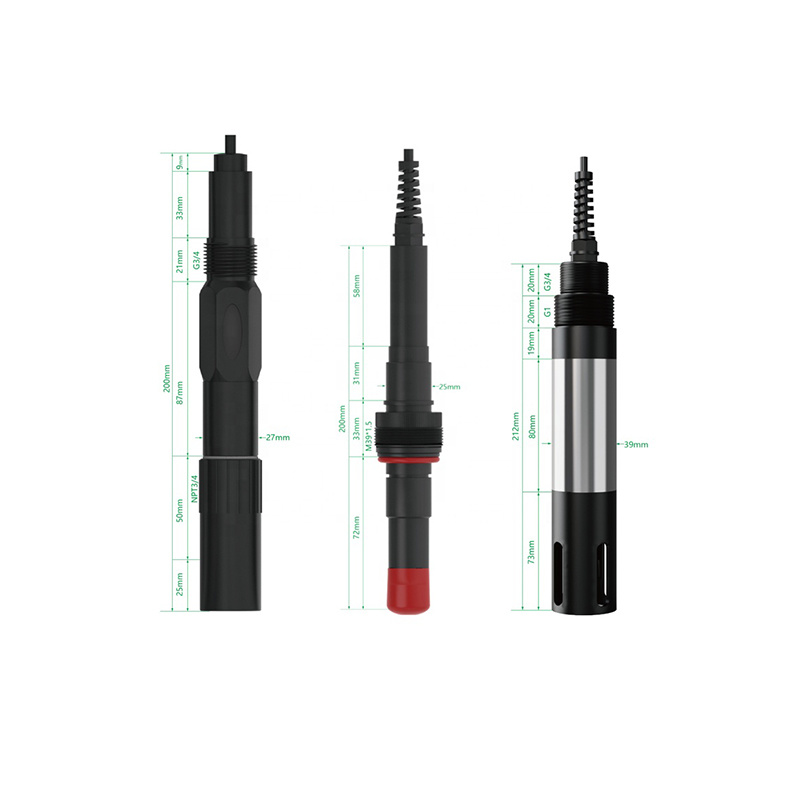
Calcium ion sensors are specialized devices designed to detect and measure the concentration of calcium ions (Ca²⁺) in various environments. These sensors play a crucial role in a wide range of applications, from biomedical monitoring to environmental science. Calcium ions are vital for numerous physiological processes, including muscle contraction, neurotransmitter release, and blood coagulation. Hence, accurate measurement of calcium ion levels is essential for both research and clinical purposes.
The working principle of a calcium ion sensor typically involves the use of ion-selective electrodes or fluorescence-based methods. Ion-selective electrodes are designed to respond specifically to calcium ions, generating an electrical signal proportional to their concentration. Conversely, fluorescence-based sensors utilize calcium-sensitive dyes that emit light upon binding to calcium ions, allowing for sensitive detection of ion concentrations.
One of the primary industries benefiting from calcium ion sensors is healthcare. In medical diagnostics, these sensors enable the monitoring of calcium levels in patients, which is crucial for diagnosing conditions such as hypercalcemia or hypocalcemia. Furthermore, they are instrumental in research laboratories studying cellular processes and signaling pathways, where calcium ions serve as critical second messengers.
Beyond healthcare, calcium ion sensors find applications in environmental monitoring. They can be used to assess the quality of water bodies, as elevated levels of calcium can indicate potential contamination or ecological shifts. This capability is particularly vital in agriculture, where proper calcium levels are essential for optimal crop growth and yield.
The technological advancements in sensor design have led to the emergence of more compact, cost-effective, and highly sensitive calcium ion sensors, enhancing their usability in various fields. Recent innovations include the integration of wireless communication technology, enabling real-time monitoring and data collection. This connectivity allows for better decision-making, particularly in dynamic environments like hospitals and agricultural fields.
Moreover, the development of portable calcium ion sensors has facilitated on-site testing, eliminating the need for extensive laboratory analysis. This advancement is particularly beneficial in emergency medical situations or remote locations where rapid results are crucial.
In conclusion, calcium ion sensors are a vital component of modern sensing technology, offering valuable insights across multiple sectors. Their ability to accurately detect and measure calcium ions underlines their importance in healthcare, environmental monitoring, and scientific research. As technology continues to evolve, these sensors are likely to become even more integral to obtaining precise data in diverse applications.
The working principle of a calcium ion sensor typically involves the use of ion-selective electrodes or fluorescence-based methods. Ion-selective electrodes are designed to respond specifically to calcium ions, generating an electrical signal proportional to their concentration. Conversely, fluorescence-based sensors utilize calcium-sensitive dyes that emit light upon binding to calcium ions, allowing for sensitive detection of ion concentrations.
One of the primary industries benefiting from calcium ion sensors is healthcare. In medical diagnostics, these sensors enable the monitoring of calcium levels in patients, which is crucial for diagnosing conditions such as hypercalcemia or hypocalcemia. Furthermore, they are instrumental in research laboratories studying cellular processes and signaling pathways, where calcium ions serve as critical second messengers.
Beyond healthcare, calcium ion sensors find applications in environmental monitoring. They can be used to assess the quality of water bodies, as elevated levels of calcium can indicate potential contamination or ecological shifts. This capability is particularly vital in agriculture, where proper calcium levels are essential for optimal crop growth and yield.
The technological advancements in sensor design have led to the emergence of more compact, cost-effective, and highly sensitive calcium ion sensors, enhancing their usability in various fields. Recent innovations include the integration of wireless communication technology, enabling real-time monitoring and data collection. This connectivity allows for better decision-making, particularly in dynamic environments like hospitals and agricultural fields.
Moreover, the development of portable calcium ion sensors has facilitated on-site testing, eliminating the need for extensive laboratory analysis. This advancement is particularly beneficial in emergency medical situations or remote locations where rapid results are crucial.
In conclusion, calcium ion sensors are a vital component of modern sensing technology, offering valuable insights across multiple sectors. Their ability to accurately detect and measure calcium ions underlines their importance in healthcare, environmental monitoring, and scientific research. As technology continues to evolve, these sensors are likely to become even more integral to obtaining precise data in diverse applications.

Contact Us
E-mail :
andrew@genesit1.com
Phone:
+8615896508337
Address:
Chanhe Industrial Park,LuoYang City, Henan Province,China

SAF Coolest v1.3.1.2 设置面板 GAGSD-AGYF-JZZQE-ZAV
违禁词: 第一,最,一流,领先,独一无二,王者,龙头,领导者,极致,
无数据提示
Sorry,当前栏目正在更新中,敬请期待!
您可以查看其他栏目或返回 首页