GENESITE Environmental Protection Technology Co., Ltd.

Understanding the Importance of Turbidity Detectors in Environmental Monitoring
Mar 19,2025
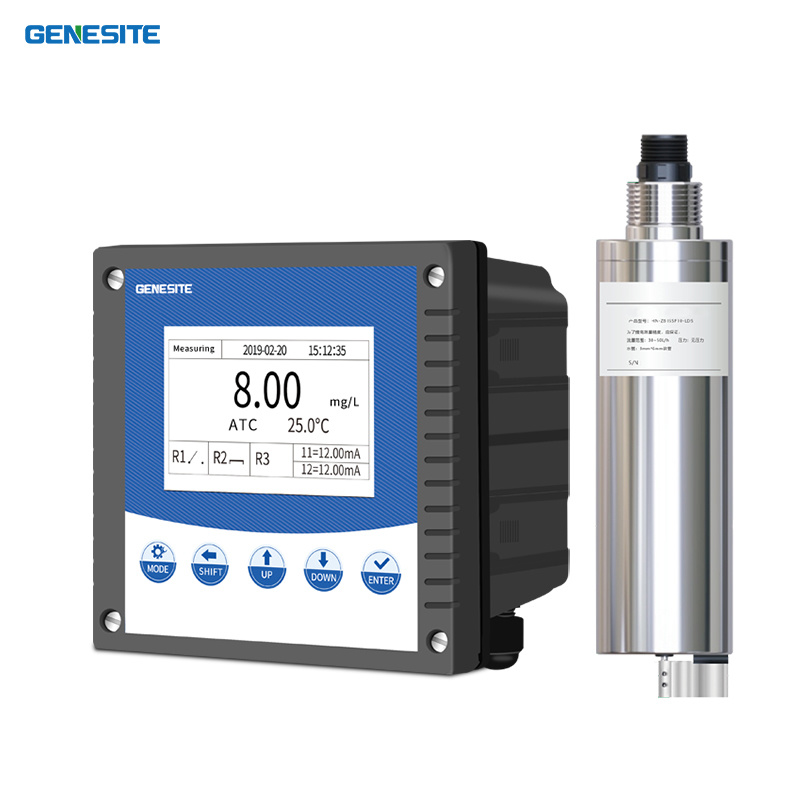
Understanding the Importance of Turbidity Detectors in Environmental Monitoring
Table of Contents
- 1. Introduction to Turbidity Detectors
- 2. What is Turbidity?
- 3. Importance of Turbidity Detection in Environmental Monitoring
- 4. How Do Turbidity Detectors Work?
- 5. Types of Turbidity Detectors
- 6. Applications of Turbidity Detectors in Various Industries
- 7. Challenges in Turbidity Measurement
- 8. The Future of Turbidity Detectors in Environmental Monitoring
- 9. Frequently Asked Questions
- 10. Conclusion
1. Introduction to Turbidity Detectors
Turbidity detectors are essential instruments in the field of environmental monitoring. They measure the haze or cloudiness in liquids, primarily water, caused by suspended particles. Understanding the importance of these detectors is paramount for maintaining water quality standards, which directly influence public health, aquatic life, and ecological balance. This article delves into the various aspects of turbidity detectors, their significance, and how they contribute to effective environmental management.
2. What is Turbidity?
Turbidity refers to the cloudiness or haziness of a fluid caused by large numbers of individual particles that are generally invisible to the naked eye. These particles can include sediments, algae, and other organic and inorganic materials. Turbidity is typically measured in Nephelometric Turbidity Units (NTU), where higher values indicate more turbid water.
2.1 Factors Influencing Turbidity
Several factors influence turbidity levels, including:
- **Natural Events**: Rainfall can wash sediments into water bodies, increasing turbidity.
- **Human Activity**: Construction, agriculture, and urban runoff can contribute to higher turbidity levels.
- **Biological Factors**: Algal blooms can significantly increase turbidity in aquatic environments.
3. Importance of Turbidity Detection in Environmental Monitoring
The detection of turbidity is crucial for several reasons:
3.1 Water Quality Monitoring
Regular turbidity monitoring helps assess the cleanliness and safety of drinking water. High turbidity levels can indicate the presence of harmful pathogens, making water unsafe for consumption.
3.2 Ecosystem Health
Aquatic ecosystems depend on clear water for the survival of species. Turbidity can affect photosynthesis in aquatic plants, disrupt food chains, and lead to decreased oxygen levels.
3.3 Regulatory Compliance
Many countries have established regulations regarding acceptable turbidity levels in drinking water. Turbidity detectors aid municipalities and industries in complying with these laws to ensure public safety.
4. How Do Turbidity Detectors Work?
Turbidity detectors operate on principles of light scattering or absorption. They typically consist of a light source, usually a laser or LED, and a sensor that measures the intensity of light scattered by suspended particles.
4.1 Measurement Techniques
- **Nephelometric Method**: Measures light scattered at a specific angle from the light source.
- **Absorptometric Method**: Determines turbidity by measuring the amount of light absorbed by the particles in the water.
4.2 Calibration and Maintenance
Proper calibration and routine maintenance are essential for accurate turbidity measurements. Regular checks against standards ensure that the detectors provide reliable data.
5. Types of Turbidity Detectors
Various types of turbidity detectors are available, catering to different applications and environments. Here are some common types:
5.1 Portable Turbidity Meters
Ideal for fieldwork, portable turbidity meters offer flexibility and ease of use, allowing environmental scientists to measure turbidity on-site.
5.2 Online Turbidity Sensors
These sensors provide continuous monitoring of turbidity levels in water treatment facilities or natural water bodies, ensuring real-time data collection.
5.3 Laboratory Turbidity Analyzers
Used in controlled environments, these analyzers deliver high-precision measurements and are suitable for research purposes.
6. Applications of Turbidity Detectors in Various Industries
The applications of turbidity detectors extend across multiple industries, highlighting their versatility and importance.
6.1 Water Treatment Facilities
Water treatment plants utilize turbidity detectors to monitor water quality, ensuring effective filtration and disinfection processes.
6.2 Environmental Research
Scientists employ turbidity detectors in environmental studies to assess the health of aquatic ecosystems and the impact of human activities.
6.3 Agriculture
In agriculture, monitoring water turbidity helps manage irrigation systems and ensures that runoff does not negatively impact local water bodies.
6.4 Food and Beverage Industry
Turbidity sensors are essential in food processing, where clear water is crucial for maintaining product quality and safety.
7. Challenges in Turbidity Measurement
Despite the importance of turbidity detectors, several challenges can affect their performance and accuracy:
7.1 Environmental Factors
Variability in environmental conditions, such as temperature and light, can influence turbidity readings.
7.2 Calibration Issues
Improper calibration can lead to inaccurate readings, necessitating regular checks and adjustments.
7.3 Particle Composition
The type and size of particles can affect light scattering, making it challenging to derive consistent turbidity readings.
8. The Future of Turbidity Detectors in Environmental Monitoring
The future of turbidity detectors looks promising with advancements in technology. Innovations such as smart sensors equipped with IoT capabilities will enable real-time data sharing and automated alerts for water quality issues. Enhanced data analytics will allow for better predictive modeling of turbidity fluctuations, thus improving response strategies for environmental management.
9. Frequently Asked Questions
9.1 What is the ideal turbidity level for drinking water?
The World Health Organization (WHO) recommends turbidity levels of less than 5 NTU for drinking water.
9.2 How often should turbidity be monitored?
The frequency of monitoring depends on the water source and usage, but routine checks are typically recommended, especially after rainfall or construction activities.
9.3 Can turbidity detectors measure all types of particles in water?
While turbidity detectors are effective for measuring suspended particles, they may not differentiate between types or sizes of particles.
9.4 How do turbidity levels affect aquatic life?
High turbidity levels can block sunlight, affecting photosynthesis and disrupting the food chain, which can lead to declines in fish populations and other aquatic organisms.
9.5 Are there any alternatives to turbidity detectors?
While there are alternatives like colorimetric methods, turbidity detectors are the most common and reliable tools for measuring water quality.
10. Conclusion
Turbidity detectors play a vital role in environmental monitoring by providing essential data on water quality. Their significance extends beyond simple measurements; they contribute to public health, ecosystem sustainability, and regulatory compliance. As technology advances, the future of turbidity measurement looks promising, paving the way for more effective environmental monitoring and management strategies. By understanding the intricate details and applications of turbidity detectors, we can better appreciate their importance in ensuring cleaner, safer water for all.
TAG:

Contact Us
E-mail :
andrew@genesit1.com
Phone:
+8615896508337
Address:
Chanhe Industrial Park,LuoYang City, Henan Province,China

SAF Coolest v1.3.1.2 设置面板 GAGSD-AGYF-JZZQE-ZAV
违禁词: 第一,最,一流,领先,独一无二,王者,龙头,领导者,极致,
无数据提示
Sorry,当前栏目正在更新中,敬请期待!
您可以查看其他栏目或返回 首页