GENESITE Environmental Protection Technology Co., Ltd.

Understanding Water Samplers: Essential Tools for Accurate Analysis
Mar 20,2025
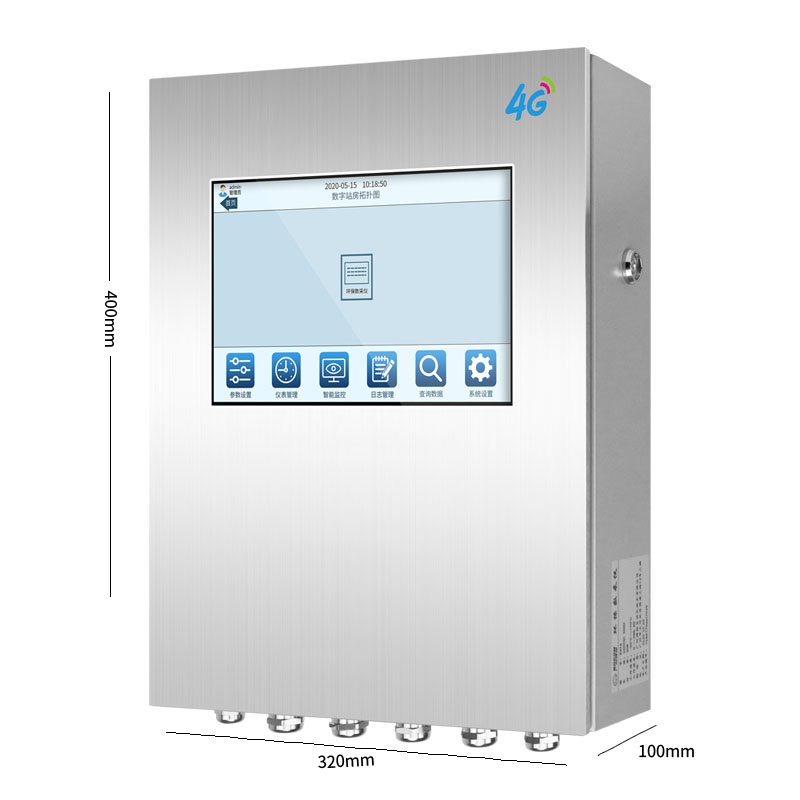
Water samplers are vital instruments used to collect water samples for analysis, ensuring that water quality is assessed accurately and effectively. These devices serve various purposes, from monitoring environmental changes to ensuring compliance with health standards in both industrial and recreational water sources. In the medical and health industries, water samplers are essential for testing water used in laboratories, hospitals, and public health initiatives.
There are several types of water samplers, each designed for specific applications. The most common categories include grab samplers and composite samplers. Grab samplers are typically used for collecting a single sample at a specific time, making them ideal for situations where immediate results are needed. On the other hand, composite samplers collect multiple samples over a defined period, allowing for a more representative analysis of water quality fluctuations.
One of the primary applications of water samplers is in environmental monitoring. They are utilized to assess the presence of contaminants, such as pathogens, heavy metals, and chemical pollutants, in natural water bodies. This information is crucial for environmental scientists, who use the data to develop strategies for pollution control and water management.
In the pharmaceutical and healthcare sectors, water samplers are employed to test the quality of water used in various processes, including drug manufacturing and patient care. Ensuring that this water meets stringent health standards is essential for patient safety and the efficacy of medical products. Regular sampling helps in identifying any potential issues before they can affect patients or compromise the integrity of pharmaceutical processes.
Moreover, water samplers are increasingly being integrated with advanced technologies, such as remote sensing and automated data collection. This integration allows for real-time monitoring of water quality parameters, enhancing the ability to respond swiftly to any detected anomalies. As technology continues to evolve, the capabilities of water samplers are expected to expand, improving their accuracy and efficiency.
In conclusion, water samplers are indispensable tools in the medical and health sectors, providing essential data for ensuring water quality and safety. Their various types and applications enable professionals to monitor environmental conditions and maintain high standards in healthcare settings. Understanding the functionality and importance of water samplers is crucial for anyone involved in water analysis and quality assurance.
There are several types of water samplers, each designed for specific applications. The most common categories include grab samplers and composite samplers. Grab samplers are typically used for collecting a single sample at a specific time, making them ideal for situations where immediate results are needed. On the other hand, composite samplers collect multiple samples over a defined period, allowing for a more representative analysis of water quality fluctuations.
One of the primary applications of water samplers is in environmental monitoring. They are utilized to assess the presence of contaminants, such as pathogens, heavy metals, and chemical pollutants, in natural water bodies. This information is crucial for environmental scientists, who use the data to develop strategies for pollution control and water management.
In the pharmaceutical and healthcare sectors, water samplers are employed to test the quality of water used in various processes, including drug manufacturing and patient care. Ensuring that this water meets stringent health standards is essential for patient safety and the efficacy of medical products. Regular sampling helps in identifying any potential issues before they can affect patients or compromise the integrity of pharmaceutical processes.
Moreover, water samplers are increasingly being integrated with advanced technologies, such as remote sensing and automated data collection. This integration allows for real-time monitoring of water quality parameters, enhancing the ability to respond swiftly to any detected anomalies. As technology continues to evolve, the capabilities of water samplers are expected to expand, improving their accuracy and efficiency.
In conclusion, water samplers are indispensable tools in the medical and health sectors, providing essential data for ensuring water quality and safety. Their various types and applications enable professionals to monitor environmental conditions and maintain high standards in healthcare settings. Understanding the functionality and importance of water samplers is crucial for anyone involved in water analysis and quality assurance.
TAG:

Contact Us
E-mail :
andrew@genesit1.com
Phone:
+8615896508337
Address:
Chanhe Industrial Park,LuoYang City, Henan Province,China

SAF Coolest v1.3.1.2 设置面板 GAGSD-AGYF-JZZQE-ZAV
违禁词: 第一,最,一流,领先,独一无二,王者,龙头,领导者,极致,
无数据提示
Sorry,当前栏目正在更新中,敬请期待!
您可以查看其他栏目或返回 首页