GENESITE Environmental Protection Technology Co., Ltd.

Understanding the Role of a Conductivity Analyzer in Automotive Diagnostics
Mar 21,2025
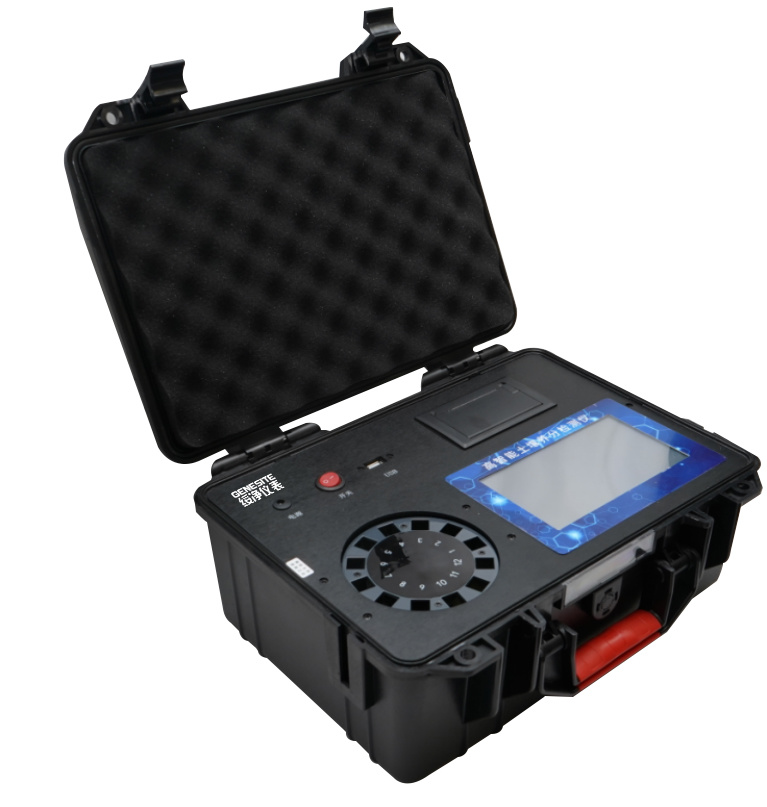
Understanding the Role of a Conductivity Analyzer in Automotive Diagnostics
In today's automotive industry, the need for precision and efficiency is paramount. As vehicles become increasingly complex, the tools we use for diagnostics must evolve to meet these demands. One such tool making significant waves in the realm of automotive diagnostics is the **conductivity analyzer**. This article explores the pivotal role of conductivity analyzers in automotive diagnostics, highlighting their functionality, benefits, and applications. By understanding these analyzers, automotive professionals can enhance their diagnostic capabilities, leading to more accurate assessments and repairs.
Table of Contents
- What is a Conductivity Analyzer?
- Importance of Conductivity Analysis in Automotive Diagnostics
- How Does a Conductivity Analyzer Work?
- Applications of Conductivity Analyzers in Automotive Diagnostics
- Benefits of Using Conductivity Analyzers
- Conductivity Analyzer vs. Other Diagnostic Tools
- The Future of Conductivity Analysis in the Automotive Industry
- FAQs
What is a Conductivity Analyzer?
A conductivity analyzer is an instrument designed to measure the ability of a solution to conduct an electrical current. In automotive diagnostics, these analyzers are primarily used to assess the quality of fluids within the vehicle, such as engine oil, coolant, and battery electrolytes. The conductivity of these fluids can indicate their composition and condition, which is critical for maintaining optimal vehicle performance.
Key Features of a Conductivity Analyzer
Conductivity analyzers come equipped with various features that enhance their functionality. Some key features include:
- Precision Measurement: High accuracy in measuring conductivity levels ensures reliable diagnostics.
- Digital Display: Easy-to-read screens that display real-time data.
- Portability: Many models are compact and battery-operated, making them suitable for fieldwork.
- Data Logging: Some analyzers offer data storage and exporting options for further analysis.
Importance of Conductivity Analysis in Automotive Diagnostics
Conductivity analysis plays a vital role in automotive diagnostics for several reasons. Primarily, it provides insight into the **health** of various fluids, which directly affects vehicle performance and durability. Understanding fluid conductivity helps in:
Diagnosis of Fluid Contamination
Fluid contamination can lead to severe engine and component damage. By analyzing the conductivity of fluids, technicians can detect contaminants that may compromise the integrity of the fluid and the overall health of vehicle systems.
Performance Optimization
Regular monitoring of fluid conductivity allows for proactive maintenance. By ensuring that fluids maintain their quality, technicians can optimize vehicle performance and longevity.
Preventing System Failures
Early detection of issues through conductivity analysis can prevent catastrophic system failures, saving repair costs and enhancing safety.
How Does a Conductivity Analyzer Work?
The operation of a conductivity analyzer is based on measuring the electrical conductivity of a solution, which correlates with the concentration of ions in that solution. Here's a breakdown of how these analyzers function:
Measuring Electrical Conductivity
Conductivity analyzers typically consist of two electrodes submerged in the fluid being tested. When an electrical current is passed through these electrodes, the resistance encountered by the current is measured. Higher conductivity indicates a greater concentration of ions, which can signify the quality of the fluid.
Calibration and Standards
For accurate readings, conductivity analyzers must be calibrated regularly using standard solutions with known conductivity levels. This ensures that the device provides reliable results in various conditions.
Applications of Conductivity Analyzers in Automotive Diagnostics
The versatility of conductivity analyzers makes them applicable in various automotive diagnostic scenarios:
1. Engine Oil Analysis
Engine oil should have low conductivity. Increased conductivity may indicate contamination or degradation of the oil, prompting a need for replacement.
2. Coolant System Assessment
In cooling systems, high conductivity may signal corrosion or contamination. This analysis helps maintain optimal cooling performance and prevent overheating.
3. Battery Electrolyte Testing
The conductivity of battery electrolytes is critical for performance. A conductivity analyzer can help assess battery health, ensuring reliable starting power and longevity.
4. Fuel Quality Testing
Assessing the conductivity of fuel can help detect contaminants that may harm the engine. Regular checks can improve fuel efficiency and engine performance.
Benefits of Using Conductivity Analyzers
Integrating conductivity analyzers into automotive diagnostics offers numerous benefits:
Enhanced Diagnostic Accuracy
Conductivity analyzers provide precise measurements, allowing for accurate diagnostics of fluid quality and condition.
Cost Efficiency
By identifying issues early, conductivity analyzers help reduce repair costs and prolong the lifespan of automotive components.
Improved Safety
Regular analysis of fluids can prevent failures that may lead to unsafe driving conditions, ensuring the safety of drivers and passengers.
Time-Saving
With quick and reliable testing, technicians can expedite the diagnostic process, reducing downtime for vehicles.
Conductivity Analyzer vs. Other Diagnostic Tools
While there are various diagnostic tools available, conductivity analyzers offer unique advantages:
1. Versatility
Unlike many diagnostic tools that focus on specific systems, conductivity analyzers can assess multiple fluids across various automotive systems.
2. Real-Time Data
Conductivity analyzers provide immediate results, enabling technicians to make informed decisions quickly.
3. Non-Destructive Testing
These analyzers assess fluid condition without altering or damaging the fluid, maintaining the integrity of the system.
The Future of Conductivity Analysis in the Automotive Industry
As technology progresses, the role of conductivity analyzers in automotive diagnostics is set to expand. With advancements in sensor technology and data analytics, future conductivity analyzers will likely offer:
1. Enhanced Connectivity
Integration with diagnostic software and IoT capabilities could allow for remote monitoring and data analysis, leading to predictive maintenance.
2. AI-Powered Diagnostics
Artificial intelligence may be utilized to analyze conductivity data more comprehensively, providing deeper insights into automotive health and facilitating smarter decision-making.
3. Eco-Friendly Solutions
Future analyzers may focus on sustainability, promoting the use of environmentally friendly fluids and helping to reduce waste.
FAQs
1. What fluids can be tested with a conductivity analyzer?
Conductivity analyzers can test engine oil, coolant, battery electrolytes, and fuel quality.
2. How often should I use a conductivity analyzer?
It’s advisable to use a conductivity analyzer during regular maintenance checks or whenever you suspect fluid contamination.
3. Can I use a conductivity analyzer on all vehicle types?
Yes, conductivity analyzers are versatile and can be used on various vehicles, including cars, trucks, and motorcycles.
4. Is the use of a conductivity analyzer complex?
No, most conductivity analyzers are user-friendly, often featuring digital displays and straightforward operation instructions.
5. What should I do if the conductivity levels are high?
High conductivity levels may indicate contamination or degradation. It’s advisable to replace the fluid and investigate potential sources of contamination.
Conclusion
The **conductivity analyzer** is a vital instrument in modern automotive diagnostics, providing essential insights into fluid quality and vehicle health. By enhancing diagnostic accuracy, promoting safety, and offering cost savings, these analyzers are indispensable tools for automotive professionals. As technology continues to advance, the future of conductivity analysis promises even greater innovations that can further enhance vehicle maintenance and diagnostics. Embracing these tools will not only streamline processes but also contribute to safer, more efficient driving experiences.

Contact Us
E-mail :
andrew@genesit1.com
Phone:
+8615896508337
Address:
Chanhe Industrial Park,LuoYang City, Henan Province,China

SAF Coolest v1.3.1.2 设置面板 GAGSD-AGYF-JZZQE-ZAV
无数据提示
Sorry,当前栏目正在更新中,敬请期待!
您可以查看其他栏目或返回 首页