GENESITE Environmental Protection Technology Co., Ltd.

Understanding the Critical Role of COD Sensors in Water Quality Monitoring
Mar 23,2025
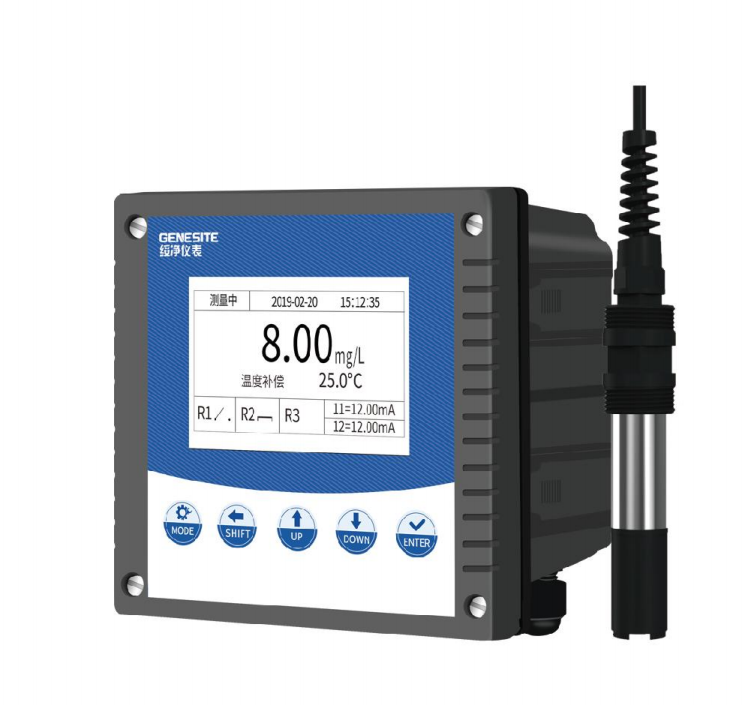
Understanding the Critical Role of COD Sensors in Water Quality Monitoring
Water quality is a pressing concern worldwide, impacting everything from human health to environmental sustainability. One of the essential tools in monitoring water quality is the Chemical Oxygen Demand (COD) sensor. This article explores the significance of COD sensors, how they function, and their applications across various industries, providing a comprehensive understanding of their role in maintaining safe and clean water.
Table of Contents
- What is Chemical Oxygen Demand (COD)?
- Importance of COD Sensors in Water Quality Monitoring
- How COD Sensors Work: Mechanisms and Technologies
- Applications of COD Sensors
- Advantages of Using COD Sensors
- Challenges in COD Measurement
- The Future of COD Sensors in Water Quality Monitoring
- Frequently Asked Questions
What is Chemical Oxygen Demand (COD)?
Chemical Oxygen Demand (COD) is a critical parameter in assessing water quality, specifically the amount of oxygen required to chemically oxidize organic and inorganic materials in water. It serves as an indicator of water pollution and the overall health of aquatic ecosystems. Essentially, COD measures the pollutants that could deplete oxygen in water bodies, making it crucial for determining the pollution load and assessing treatment efficiency in wastewater management.
Understanding the Significance of COD
COD is a significant metric for government agencies, environmental organizations, and industries because it provides a clear picture of the potential impact of contaminants in water. High COD values indicate a greater amount of waste in the water, which could lead to adverse effects on aquatic life and water quality if not adequately addressed.
Importance of COD Sensors in Water Quality Monitoring
The role of COD sensors in water quality monitoring cannot be overstated. They provide vital real-time data that informs decision-making processes in various sectors, including municipal wastewater treatment, industrial processes, and environmental conservation.
Real-Time Monitoring for Effective Management
With the growing concern about water pollution, the demand for real-time monitoring has surged. COD sensors allow for continuous tracking of water quality, which is crucial for timely interventions. Municipalities and industries can quickly respond to pollution incidents, ensuring compliance with environmental regulations and protecting public health.
Supporting Environmental Regulations
Governments worldwide enforce stringent water quality regulations to protect natural water bodies. COD sensors help ensure compliance by providing accurate and timely data. This monitoring is essential for industries, as non-compliance can lead to severe penalties and environmental damage.
How COD Sensors Work: Mechanisms and Technologies
COD sensors utilize various technologies to measure the chemical oxygen demand in water. Understanding these mechanisms provides insight into their accuracy and reliability.
Common Technologies Used in COD Sensors
1. **Wet Chemistry Methods**: These involve chemical reactions that determine the COD level. Although accurate, they are time-consuming and require laboratory conditions.
2. **Optical Methods**: Utilizing light absorption and fluorescence, these sensors provide quick results. They are becoming increasingly popular due to their ease of use and minimal maintenance.
3. **Electrochemical Sensors**: These measure the current produced during oxidation reactions in the water sample. They offer fast responses and can be used for in-situ measurements.
The Role of Calibration and Maintenance
For COD sensors to function effectively, regular calibration and maintenance are essential. Calibration ensures that the sensors provide accurate readings, while maintenance helps in prolonging their lifespan and reliability.
Applications of COD Sensors
COD sensors find applications across various sectors, emphasizing their versatility in water quality management.
Municipal Wastewater Treatment
In municipal wastewater treatment facilities, COD sensors are crucial for monitoring the pollution load entering treatment plants. This data helps in optimizing treatment processes and ensuring that effluent meets regulatory standards before discharge.
Industrial Applications
Industries such as textiles, pharmaceuticals, and food processing generate significant wastewater, often loaded with organic compounds. COD sensors help these industries monitor their effluent quality, facilitating compliance with environmental regulations and minimizing ecological impact.
Aquaculture Management
In aquaculture, maintaining water quality is vital for the health of aquatic life. COD sensors enable fish farmers to monitor organic load in water, ensuring optimal conditions for growth and survival.
Environmental Monitoring
Environmental agencies utilize COD sensors for monitoring the health of rivers, lakes, and other water bodies. This data is essential for assessing ecosystem health and informing conservation strategies.
Advantages of Using COD Sensors
The incorporation of COD sensors in water quality monitoring offers numerous benefits.
Enhanced Accuracy and Reliability
Modern COD sensors provide highly accurate and reliable data, which is crucial for making informed decisions regarding water management. Their precision minimizes the risk of errors that could lead to inappropriate actions.
Cost-Effective Solutions
While the initial investment in COD sensors may be significant, the long-term savings achieved through improved monitoring and compliance can outweigh costs. Automating water quality monitoring can reduce labor costs and enhance operational efficiency.
Improved Regulatory Compliance
With stringent regulations on water quality, COD sensors assist industries and municipalities in meeting compliance requirements. By providing accurate data, these sensors help avoid penalties and promote sustainable practices.
Real-Time Data Access
The ability to access real-time data allows for quick decision-making, ensuring that any issues can be addressed promptly. This immediacy is critical for preventing environmental damage and protecting public health.
Challenges in COD Measurement
Despite their advantages, COD sensors face certain challenges that can impact their effectiveness.
Interference from Other Substances
The presence of other substances in water can interfere with COD measurements. Factors such as temperature variations, turbidity, and the presence of certain chemicals can lead to inaccurate readings. Proper calibration and understanding of the sample composition are necessary to mitigate these issues.
Maintenance and Operational Costs
While COD sensors can save costs over time, they require regular maintenance and calibration, which can be resource-intensive. Facilities must be prepared to invest in these aspects to ensure optimal sensor performance.
The Future of COD Sensors in Water Quality Monitoring
The future of COD sensors looks promising as technology continues to advance. Innovations in sensor design, data analytics, and integration with IoT could further enhance their capabilities.
Integration with Smart Technologies
As the Internet of Things (IoT) becomes more prevalent, the integration of COD sensors with smart technologies will facilitate more sophisticated data analysis and reporting. This could lead to predictive analytics in water quality management, allowing for proactive measures against potential pollution events.
Advancements in Sensor Technologies
Ongoing research and development in sensor technologies promise to improve accuracy, reduce costs, and enhance the ease of use of COD sensors. Innovations such as miniaturization and enhanced sensitivity will make these devices more accessible to various industries.
Frequently Asked Questions
1. What is the main purpose of COD sensors?
The main purpose of COD sensors is to measure the chemical oxygen demand in water, helping to assess water quality and identify pollution levels.
2. How often should COD sensors be calibrated?
COD sensors should be calibrated regularly, typically every few months, depending on usage and the manufacturer’s recommendations.
3. Can COD sensors be used in harsh environments?
Yes, many modern COD sensors are designed to withstand harsh environmental conditions and can be used in various settings, including industrial and outdoor applications.
4. What factors can affect COD readings?
Factors such as temperature, turbidity, and the presence of other chemicals can influence COD readings, making calibration and sample analysis essential for accurate results.
5. Are there alternatives to COD sensors for measuring water quality?
Yes, alternatives include Biological Oxygen Demand (BOD) tests, Total Organic Carbon (TOC) analyzers, and other chemical analysis methods, though each has its advantages and limitations.
Conclusion
In conclusion, COD sensors play a pivotal role in water quality monitoring, providing essential data that aids in environmental protection and public health. Their ability to measure chemical oxygen demand accurately and reliably enhances real-time monitoring and compliance with regulations. As technology continues to advance, the future of COD sensors promises even greater efficiency and effectiveness, ensuring that our water resources remain safe and sustainable for generations to come. Embracing these technologies will allow industries and municipalities to manage water quality proactively, protecting both the environment and public health effectively.
TAG:

Contact Us
E-mail :
andrew@genesit1.com
Phone:
+8615896508337
Address:
Chanhe Industrial Park,LuoYang City, Henan Province,China

SAF Coolest v1.3.1.2 设置面板 GAGSD-AGYF-JZZQE-ZAV
违禁词: 第一,最,一流,领先,独一无二,王者,龙头,领导者,极致,
无数据提示
Sorry,当前栏目正在更新中,敬请期待!
您可以查看其他栏目或返回 首页