GENESITE Environmental Protection Technology Co., Ltd.

Understanding Sensors and Controllers: The Backbone of Modern Electronics
Mar 24,2025
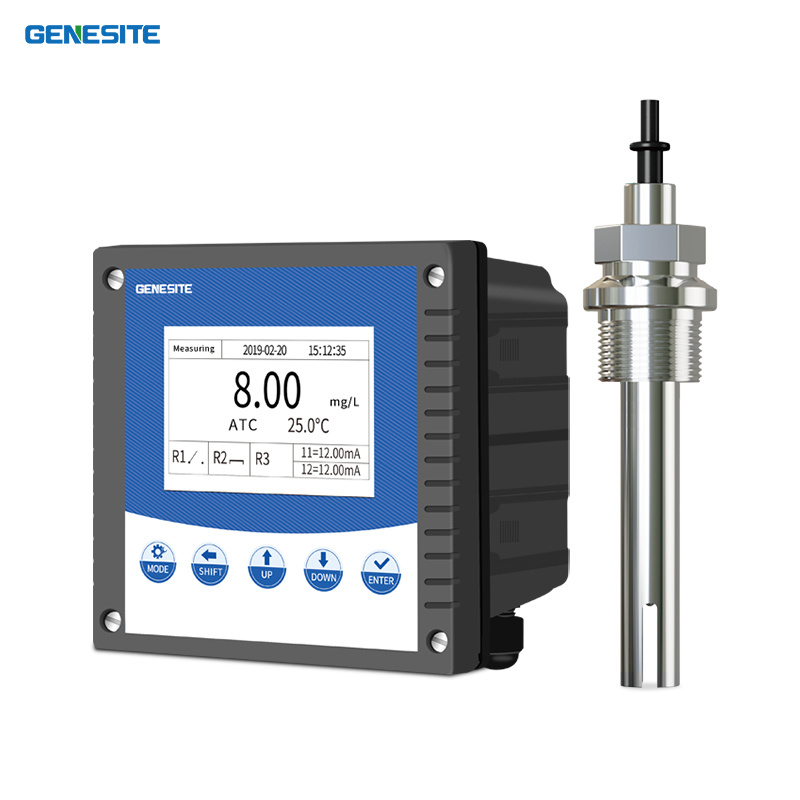
In the realm of electronics, the terms "sensor" and "controller" frequently arise, serving as foundational elements in countless applications. Understanding these components is essential for anyone exploring modern technology, from smart devices to industrial automation.
A sensor is a device that detects and responds to physical stimuli, such as light, temperature, pressure, motion, or sound. Sensors convert these stimuli into signals that can be understood and processed. For instance, temperature sensors are commonly used in HVAC systems to monitor and regulate indoor climates, while motion sensors play a vital role in security systems, allowing them to detect unauthorized access.
On the other hand, a controller is an electronic device that manages and directs the operation of other devices or systems. Controllers take input signals from sensors, process this information using predefined algorithms, and generate output signals to control actuators or other components. This feedback loop is crucial in ensuring that systems operate efficiently and effectively. For example, in a home automation setting, a controller might receive input from a temperature sensor and adjust the heater or air conditioning unit accordingly.
The integration of sensors and controllers has led to significant advancements in various industries. In manufacturing, for instance, sensors monitor machinery conditions, while controllers manage production lines, enhancing efficiency and reducing downtime. In the automotive industry, advanced driver-assistance systems rely on sensors for collision detection, lane-keeping, and adaptive cruise control, all supervised by sophisticated controllers.
Moreover, the Internet of Things (IoT) has amplified the importance of sensors and controllers. As more devices become interconnected, the need for reliable sensors and efficient controllers has surged. They enable smart homes, where sensors can detect occupancy, and controllers can adjust lighting, heating, and security systems to optimize comfort and energy consumption.
In conclusion, sensors and controllers are indispensable components in the electronics industry, facilitating the seamless interaction between the physical world and digital systems. Whether in industrial applications or everyday consumer devices, understanding how these components work together is essential for harnessing the full potential of technology. By appreciating their roles, we can better navigate the rapidly evolving landscape of electronics and innovation.
A sensor is a device that detects and responds to physical stimuli, such as light, temperature, pressure, motion, or sound. Sensors convert these stimuli into signals that can be understood and processed. For instance, temperature sensors are commonly used in HVAC systems to monitor and regulate indoor climates, while motion sensors play a vital role in security systems, allowing them to detect unauthorized access.
On the other hand, a controller is an electronic device that manages and directs the operation of other devices or systems. Controllers take input signals from sensors, process this information using predefined algorithms, and generate output signals to control actuators or other components. This feedback loop is crucial in ensuring that systems operate efficiently and effectively. For example, in a home automation setting, a controller might receive input from a temperature sensor and adjust the heater or air conditioning unit accordingly.
The integration of sensors and controllers has led to significant advancements in various industries. In manufacturing, for instance, sensors monitor machinery conditions, while controllers manage production lines, enhancing efficiency and reducing downtime. In the automotive industry, advanced driver-assistance systems rely on sensors for collision detection, lane-keeping, and adaptive cruise control, all supervised by sophisticated controllers.
Moreover, the Internet of Things (IoT) has amplified the importance of sensors and controllers. As more devices become interconnected, the need for reliable sensors and efficient controllers has surged. They enable smart homes, where sensors can detect occupancy, and controllers can adjust lighting, heating, and security systems to optimize comfort and energy consumption.
In conclusion, sensors and controllers are indispensable components in the electronics industry, facilitating the seamless interaction between the physical world and digital systems. Whether in industrial applications or everyday consumer devices, understanding how these components work together is essential for harnessing the full potential of technology. By appreciating their roles, we can better navigate the rapidly evolving landscape of electronics and innovation.
TAG:

Contact Us
E-mail :
andrew@genesit1.com
Phone:
+8615896508337
Address:
Chanhe Industrial Park,LuoYang City, Henan Province,China

SAF Coolest v1.3.1.2 设置面板 GAGSD-AGYF-JZZQE-ZAV
违禁词: 第一,最,一流,领先,独一无二,王者,龙头,领导者,极致,
无数据提示
Sorry,当前栏目正在更新中,敬请期待!
您可以查看其他栏目或返回 首页