GENESITE Environmental Protection Technology Co., Ltd.

Understanding the Importance of Multiparameter Water Quality Probes: The Key to Safe and Sustainable Water Management
Mar 25,2025
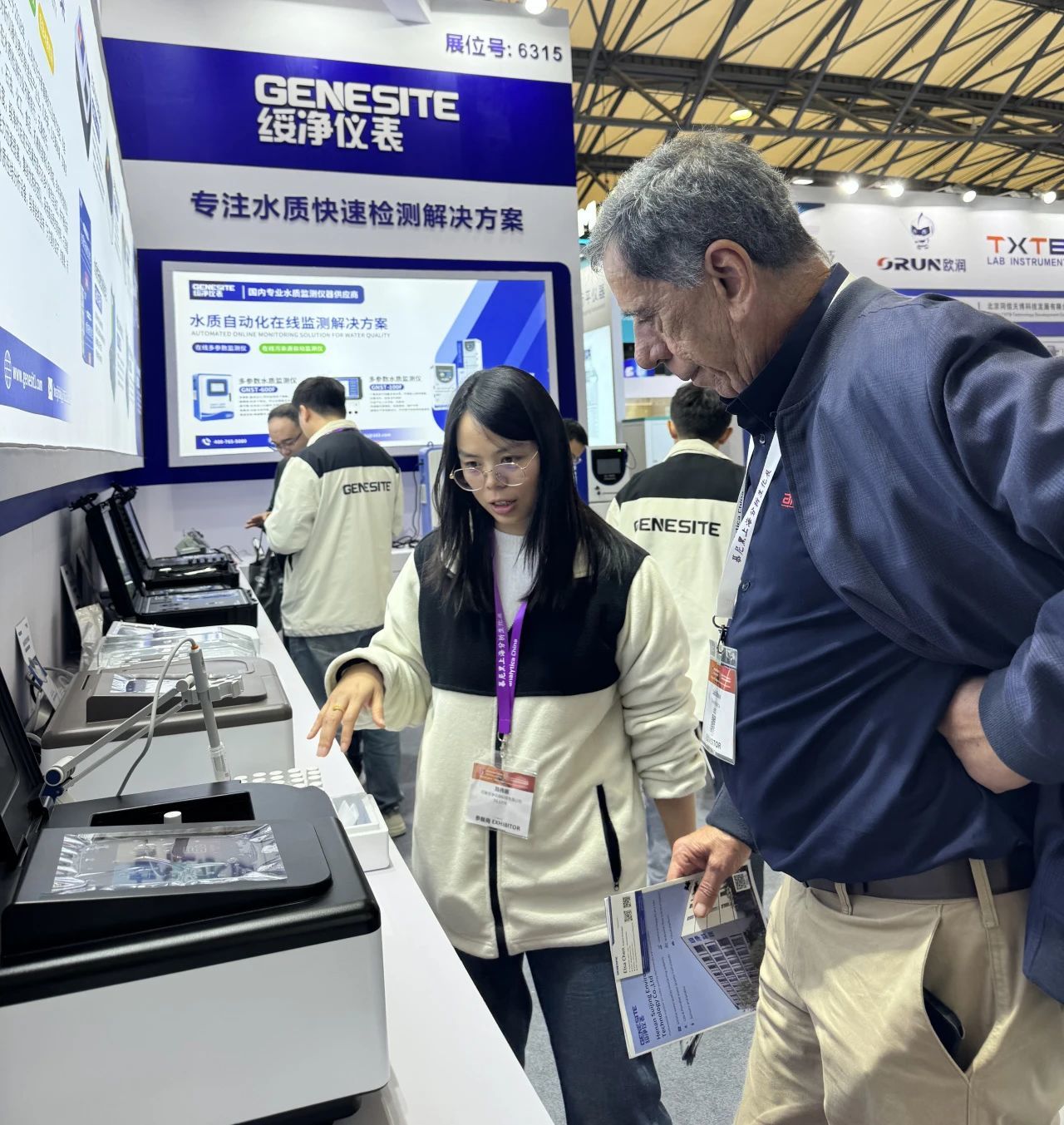
Understanding the Importance of Multiparameter Water Quality Probes
Water is one of our planet's most essential resources, influencing every aspect of life, from agriculture to human health. As concerns about water quality escalate due to pollution, climate change, and industrial activities, the demand for precise monitoring solutions has never been higher. Multiparameter water quality probes emerge as crucial tools in this context, offering a comprehensive solution for assessing water conditions. This article explores the importance, functionality, and applications of these advanced devices.
What Are Multiparameter Water Quality Probes?
Multiparameter water quality probes are sophisticated instruments designed to measure multiple water quality parameters simultaneously. These devices can assess various aspects of water quality, including pH, dissolved oxygen, turbidity, conductivity, temperature, and more. By integrating multiple sensors into one unit, these probes provide a holistic view of water conditions, making them invaluable for environmental monitoring and management.
The Importance of Water Quality Measurement
Protecting Public Health
Ensuring safe drinking water is paramount for public health. Contaminated water sources can lead to severe health issues, including gastrointestinal diseases, reproductive problems, and neurological disorders. Multiparameter probes help detect harmful contaminants, ensuring that water supplies meet safety standards.
Environmental Conservation
Water quality directly impacts aquatic ecosystems. Pollutants can disrupt habitats and endanger species. By using multiparameter probes, environmental scientists can monitor water bodies for signs of distress, allowing for timely intervention and preservation of vital ecosystems.
Agricultural Efficiency
Farmers rely on clean water for irrigation. Probes that measure water quality parameters ensure that agricultural practices do not compromise the surrounding environment. Understanding the chemical makeup of irrigation water helps in optimizing crop yields and reducing waste.
Key Features of Multiparameter Water Quality Probes
Simultaneous Measurements
The ability to measure multiple parameters at once saves time and resources. This feature is particularly beneficial in field conditions where quick assessments are necessary.
Real-time Data Monitoring
Many modern probes provide real-time data, allowing for immediate decision-making. Continuous monitoring helps identify trends and sudden changes in water quality, which can be critical for timely responses to potential hazards.
Durability and Portability
Multiparameter probes are often designed to withstand harsh environmental conditions. Their portability allows for easy transportation to various water bodies, making them ideal for fieldwork.
Applications of Multiparameter Water Quality Probes
In Environmental Research
Environmental researchers utilize multiparameter probes to gather data on water quality in rivers, lakes, and oceans. This data is essential for studying the impact of human activities on aquatic ecosystems and developing strategies for conservation.
In Aquaculture
In aquaculture, maintaining optimal water quality is crucial for fish health and growth. Multiparameter probes help aquaculturists monitor conditions, ensuring a sustainable and productive farming environment.
In Wastewater Treatment
Wastewater treatment facilities rely on accurate data to ensure that treated water meets safety regulations before being discharged back into the environment. Multiparameter probes play a vital role in monitoring the efficiency of treatment processes.
Choosing the Right Multiparameter Water Quality Probe
Consider the Parameters Needed
Different applications require different measurements. When selecting a multiparameter probe, consider which water quality parameters are most relevant to your needs. For instance, aquaculture may prioritize dissolved oxygen and temperature, while environmental research might focus on turbidity and pH.
Evaluate the Probe's Accuracy and Reliability
Accuracy is fundamental in water quality measurement. Research the specifications and calibration options of the probe to ensure it meets your requirements.
Check for Data Management Capabilities
Modern probes often come with data management systems that allow for easy data logging and analysis. Look for models that offer user-friendly software for managing and interpreting data effectively.
Best Practices for Using Multiparameter Water Quality Probes
Regular Calibration
To maintain accuracy, regular calibration of the probes is essential. Follow manufacturer guidelines for calibration frequency and procedures.
Proper Maintenance
Maintaining the probe is crucial for longevity and performance. Clean sensors regularly and store the probe in appropriate conditions to prevent damage.
Data Interpretation Skills
Understanding the data collected by multiparameter probes requires skills in data interpretation. Invest time in learning how to analyze the readings and what they mean for water quality and safety.
The Future of Multiparameter Water Quality Probes
As technology advances, the capabilities of multiparameter water quality probes continue to evolve. Innovations include enhanced sensor technology, wireless data transmission, and integration with Internet of Things (IoT) systems. These advancements promise to make water quality monitoring more efficient and accessible.
Integration with Smart Technology
The integration of multiparameter probes with smart technology can enable automated monitoring and alerts. Future systems may allow for remote access to water quality data, enhancing the ability to respond to environmental changes swiftly.
Advancements in Sensor Technology
Continuous improvements in sensor technology are set to enhance the sensitivity and accuracy of multiparameter probes. This will allow for the detection of even lower concentrations of contaminants, further safeguarding public health and the environment.
FAQs About Multiparameter Water Quality Probes
1. What types of parameters can multiparameter water quality probes measure?
Multiparameter probes can measure a variety of parameters, including pH, dissolved oxygen, turbidity, conductivity, temperature, and more.
2. How do I choose the right multiparameter water quality probe for my needs?
Consider the specific parameters you need to measure, the accuracy required, and the probe's data management capabilities when selecting a probe.
3. How often should I calibrate my water quality probe?
Calibration frequency depends on usage and environmental conditions, but it's generally recommended to calibrate before each use or according to the manufacturer's guidelines.
4. Can I use multiparameter probes in both freshwater and saltwater environments?
Yes, many multiparameter probes are designed for use in both freshwater and saltwater, but it's essential to check the manufacturer's specifications.
5. What is the significance of real-time data monitoring in water quality assessment?
Real-time data monitoring allows for immediate responses to changes in water quality, facilitating timely intervention and effective management of water resources.
Conclusion
Multiparameter water quality probes are essential instruments for ensuring the safety and sustainability of our water resources. By providing comprehensive monitoring capabilities, these devices help protect public health, conserve ecosystems, and enhance agricultural practices. As technology continues to advance, the role of these probes will become increasingly vital in our ongoing efforts to manage and safeguard our most precious resource—water. Understanding their importance and applications is the first step towards making informed decisions for a healthier and more sustainable future.
PREVIOUS:

Contact Us
E-mail :
andrew@genesit1.com
Phone:
+8615896508337
Address:
Chanhe Industrial Park,LuoYang City, Henan Province,China

SAF Coolest v1.3.1.2 设置面板 GAGSD-AGYF-JZZQE-ZAV
违禁词: 第一,最,一流,领先,独一无二,王者,龙头,领导者,极致,
无数据提示
Sorry,当前栏目正在更新中,敬请期待!
您可以查看其他栏目或返回 首页