GENESITE Environmental Protection Technology Co., Ltd.

Understanding Chlorine Dioxide Sensors: Applications and Benefits
Mar 26,2025
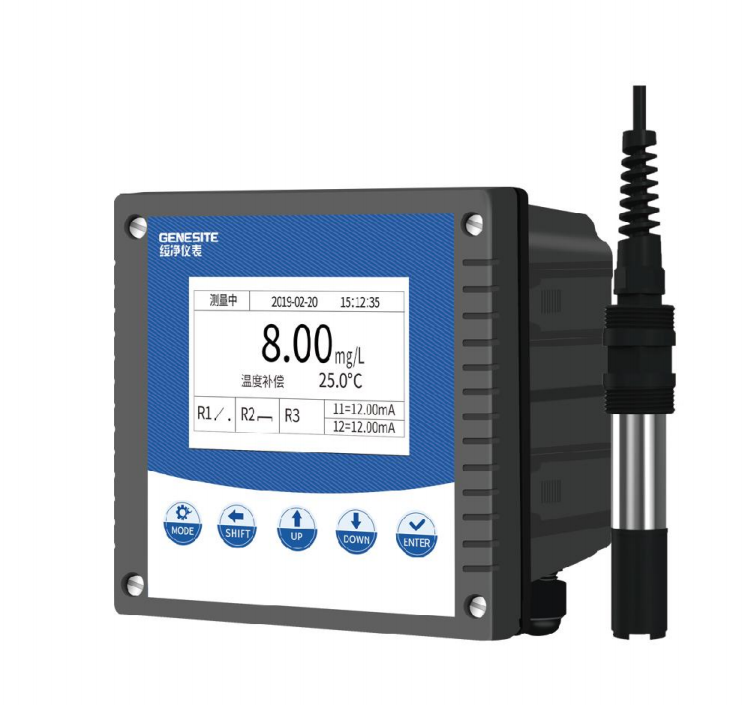
Chlorine dioxide sensors are specialized devices designed to detect and measure the concentration of chlorine dioxide gas in various environments. Chlorine dioxide (ClO2) is a powerful oxidizing agent commonly used for disinfection and water treatment. Due to its effectiveness in killing bacteria, viruses, and other pathogens, monitoring its levels is crucial for ensuring safety and compliance with health regulations.
One of the primary applications of chlorine dioxide sensors is in water treatment facilities. They help operators maintain optimal levels of chlorine dioxide to ensure water is safe for consumption. Accurate monitoring prevents the overuse of the chemical, which can lead to harmful by-products and potential health risks.
In addition to water treatment, chlorine dioxide sensors are essential in the food processing industry. They are used to sanitize equipment and surfaces, ensuring that food products are free from harmful microorganisms. By continuously monitoring chlorine dioxide levels, facilities can ensure compliance with food safety standards and protect consumer health.
Chlorine dioxide sensors also play a vital role in the paper and pulp industry. In this sector, chlorine dioxide is used for bleaching processes. Sensors help monitor gas concentrations, ensuring that the process is efficient and environmentally friendly. By controlling chlorine dioxide levels, manufacturers can reduce waste and minimize their environmental impact.
These sensors come in various designs, including electrochemical and optical types. Electrochemical sensors work by detecting changes in electrical currents caused by the presence of chlorine dioxide, while optical sensors measure changes in light absorption or scattering. Each type has its advantages, depending on the specific application and environment.
When selecting a chlorine dioxide sensor, it is important to consider factors such as detection range, response time, and environmental conditions. For instance, sensors designed for outdoor use may require additional protective features to withstand harsh weather conditions. Additionally, regular calibration and maintenance are necessary to ensure accurate readings and reliable performance.
The integration of chlorine dioxide sensors into automation systems can enhance monitoring capabilities, providing real-time data and alerts. This can significantly improve operational efficiency and safety, allowing for immediate action if levels deviate from acceptable ranges.
In conclusion, chlorine dioxide sensors are vital tools for various industries, ensuring safe and effective use of chlorine dioxide gas. By maintaining optimal chemical levels, these sensors not only protect public health but also promote environmental sustainability through responsible chemical management. Whether in water treatment, food processing, or other applications, understanding the importance and functionality of chlorine dioxide sensors is key to enhancing safety and efficiency in operations.
One of the primary applications of chlorine dioxide sensors is in water treatment facilities. They help operators maintain optimal levels of chlorine dioxide to ensure water is safe for consumption. Accurate monitoring prevents the overuse of the chemical, which can lead to harmful by-products and potential health risks.
In addition to water treatment, chlorine dioxide sensors are essential in the food processing industry. They are used to sanitize equipment and surfaces, ensuring that food products are free from harmful microorganisms. By continuously monitoring chlorine dioxide levels, facilities can ensure compliance with food safety standards and protect consumer health.
Chlorine dioxide sensors also play a vital role in the paper and pulp industry. In this sector, chlorine dioxide is used for bleaching processes. Sensors help monitor gas concentrations, ensuring that the process is efficient and environmentally friendly. By controlling chlorine dioxide levels, manufacturers can reduce waste and minimize their environmental impact.
These sensors come in various designs, including electrochemical and optical types. Electrochemical sensors work by detecting changes in electrical currents caused by the presence of chlorine dioxide, while optical sensors measure changes in light absorption or scattering. Each type has its advantages, depending on the specific application and environment.
When selecting a chlorine dioxide sensor, it is important to consider factors such as detection range, response time, and environmental conditions. For instance, sensors designed for outdoor use may require additional protective features to withstand harsh weather conditions. Additionally, regular calibration and maintenance are necessary to ensure accurate readings and reliable performance.
The integration of chlorine dioxide sensors into automation systems can enhance monitoring capabilities, providing real-time data and alerts. This can significantly improve operational efficiency and safety, allowing for immediate action if levels deviate from acceptable ranges.
In conclusion, chlorine dioxide sensors are vital tools for various industries, ensuring safe and effective use of chlorine dioxide gas. By maintaining optimal chemical levels, these sensors not only protect public health but also promote environmental sustainability through responsible chemical management. Whether in water treatment, food processing, or other applications, understanding the importance and functionality of chlorine dioxide sensors is key to enhancing safety and efficiency in operations.
NEXT:

Contact Us
E-mail :
andrew@genesit1.com
Phone:
+8615896508337
Address:
Chanhe Industrial Park,LuoYang City, Henan Province,China

SAF Coolest v1.3.1.2 设置面板 GAGSD-AGYF-JZZQE-ZAV
违禁词: 第一,最,一流,领先,独一无二,王者,龙头,领导者,极致,
无数据提示
Sorry,当前栏目正在更新中,敬请期待!
您可以查看其他栏目或返回 首页