GENESITE Environmental Protection Technology Co., Ltd.

Understanding the Role of Calcium Ion Sensors in Modern Technology
Mar 27,2025
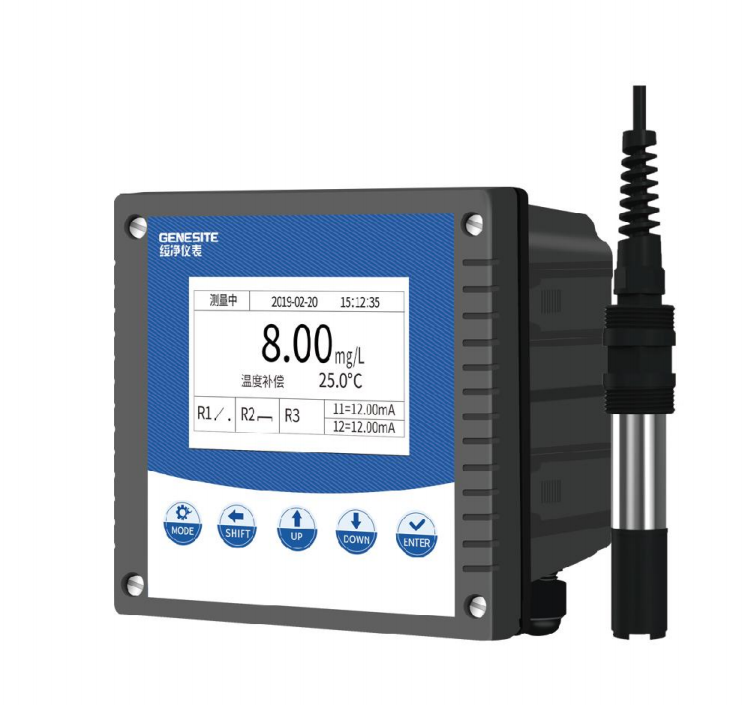
Understanding the Role of Calcium Ion Sensors in Modern Technology
In today's rapidly evolving technological landscape, the need for precise monitoring of various ions plays a critical role in numerous applications ranging from healthcare to environmental monitoring. Among these, **calcium ion sensors** stand out for their significant contributions in various sectors. This article aims to provide an in-depth understanding of calcium ion sensors, their working principles, applications, advantages, and future trends, as well as their integral role in enhancing technology and fostering innovation.
Table of Contents
- Introduction to Calcium Ion Sensors
- How Calcium Ion Sensors Work
- Types of Calcium Ion Sensors
- Optical Calcium Ion Sensors
- Electrochemical Calcium Ion Sensors
- Field-Effect Transistor Calcium Ion Sensors
- Applications of Calcium Ion Sensors
- Advantages of Using Calcium Ion Sensors
- Challenges in Calcium Ion Sensor Development
- Future Trends in Calcium Ion Sensor Technology
- Conclusion
- Frequently Asked Questions
Introduction to Calcium Ion Sensors
Calcium ions (Ca2+) play pivotal roles in various biological processes, including muscle contraction, neurotransmitter release, and cellular signaling. As such, precise measurement of calcium ion concentrations is essential in a multitude of fields. **Calcium ion sensors** are specialized devices designed to detect and measure the concentration of calcium ions in various environments. These sensors are critical for providing real-time data, which can lead to improved decision-making in medical, environmental, and industrial contexts.
How Calcium Ion Sensors Work
Understanding the working principles of calcium ion sensors is essential to appreciate their applications and effectiveness. Most calcium ion sensors operate based on the interaction of calcium ions with a sensing element that responds to changes in ion concentration. Typically, they employ **selectivity membranes**, **optical indicators**, or **electrodes** that change their properties based on the presence of calcium ions.
When calcium ions bind to the sensor, they induce a change in voltage or fluorescence, which the sensor then translates into a readable signal. This signal can be processed and transmitted to display systems for further analysis. Different types of sensors utilize various methods for detection, each with unique advantages and limitations.
Types of Calcium Ion Sensors
Optical Calcium Ion Sensors
Optical calcium ion sensors use fluorescence or absorbance changes to detect calcium ion concentrations. They typically employ calcium-sensitive fluorescent dyes that change their emission properties upon binding with calcium ions. These sensors are highly sensitive and can provide real-time measurements in various environments, including biological systems.
Electrochemical Calcium Ion Sensors
Electrochemical calcium ion sensors function by measuring the current or voltage changes resulting from calcium ion interactions at the electrode surface. These sensors can provide rapid and accurate measurements and are often used in medical diagnostics and environmental monitoring. Their robustness and ease of integration into automated systems make them a popular choice for many applications.
Field-Effect Transistor Calcium Ion Sensors
Field-effect transistor (FET) calcium ion sensors leverage the principle of field-effect to detect ion concentrations. In these sensors, the presence of calcium ions alters the electric field around the FET, resulting in measurable changes in current. This type of sensor offers high sensitivity and can operate in a range of conditions, making them suitable for diverse applications.
Applications of Calcium Ion Sensors
The versatility of calcium ion sensors allows them to be deployed in various sectors, each benefiting from their unique properties and capabilities.
Medical and Health Monitoring
One of the most prominent applications of calcium ion sensors is in the medical field. Monitoring calcium levels in the human body is critical for diagnosing and managing conditions such as osteoporosis, hormonal imbalances, and cardiovascular diseases. Calcium ion sensors enable continuous monitoring, providing healthcare professionals with real-time data to make informed decisions regarding patient care.
Environmental Monitoring
Calcium ion sensors are also employed in environmental monitoring to assess the health of ecosystems, particularly in aquatic environments. Changes in calcium ion concentrations can indicate shifts in water quality and ecosystem health, thus allowing for proactive environmental management. These sensors can be deployed in remote locations, providing valuable data for researchers and environmentalists.
Industrial Applications
In industrial settings, calcium ion sensors are used in processes such as water treatment, food processing, and chemical manufacturing. Monitoring calcium levels in these processes is essential for ensuring quality control and compliance with regulations. The feedback provided by these sensors helps industries optimize their operations and reduce waste.
Advantages of Using Calcium Ion Sensors
Calcium ion sensors offer numerous advantages, making them an essential tool across various fields:
- High Sensitivity and Specificity: These sensors can detect minute changes in calcium ion concentrations, providing accurate data crucial for many applications.
- Real-Time Monitoring: The ability to measure calcium levels in real time allows for immediate responses to changes, particularly in medical and environmental applications.
- Versatility: Calcium ion sensors can be adapted for use in diverse environments, from clinical settings to industrial processes.
- Improved Decision-Making: Real-time data enhances decision-making capabilities for healthcare providers, environmental managers, and industrial operators.
Challenges in Calcium Ion Sensor Development
Despite their advantages, the development and implementation of calcium ion sensors are not without challenges:
- Calibration Issues: Ensuring consistent accuracy and calibration across various environments can be challenging.
- Interference from Other Ions: The presence of other ions can affect sensor performance, leading to inaccurate readings.
- Long-Term Stability: Maintaining sensor performance over extended periods remains a hurdle, particularly in harsh environments.
Future Trends in Calcium Ion Sensor Technology
The future of calcium ion sensor technology looks promising, with ongoing research and innovations enhancing performance and expanding applications. Key trends include:
- Miniaturization: Advances in nanotechnology are leading to the development of smaller, more efficient sensors that can be integrated into portable devices.
- Integration with IoT: Incorporating calcium ion sensors into Internet of Things (IoT) frameworks will facilitate remote monitoring and data analysis.
- Enhanced Sensitivity: Ongoing research aimed at enhancing sensor sensitivity will improve their application in various fields, particularly in biomedical diagnostics.
Conclusion
Calcium ion sensors play a crucial role in modern technology, facilitating real-time monitoring and precise measurement across various applications. From medical diagnostics to environmental assessments, these sensors provide invaluable data that enhances decision-making processes and fosters innovation. As technology continues to evolve, the future of calcium ion sensors looks bright, promising to further improve our ability to monitor and respond to changes in our environment and health.
Frequently Asked Questions
1. What are calcium ion sensors used for?
Calcium ion sensors are used for monitoring calcium levels in medical diagnostics, environmental assessments, and various industrial processes.
2. How do calcium ion sensors work?
Calcium ion sensors detect changes in calcium ion concentrations through various mechanisms, including optical fluorescence and electrochemical responses.
3. Are calcium ion sensors sensitive to other ions?
Yes, calcium ion sensors can be affected by the presence of other ions, which may interfere with their readings and accuracy.
4. What are the challenges in developing calcium ion sensors?
Challenges include calibration issues, interference from other ions, and maintaining long-term stability in various environments.
5. What is the future of calcium ion sensors?
The future includes advancements in miniaturization, integration with IoT technologies, and enhancements in sensitivity for broader applications.

Contact Us
E-mail :
andrew@genesit1.com
Phone:
+8615896508337
Address:
Chanhe Industrial Park,LuoYang City, Henan Province,China

SAF Coolest v1.3.1.2 设置面板 GAGSD-AGYF-JZZQE-ZAV
无数据提示
Sorry,当前栏目正在更新中,敬请期待!
您可以查看其他栏目或返回 首页