GENESITE Environmental Protection Technology Co., Ltd.

Unlocking the Potential of COD Sensors: Understanding Their Role and Applications
Apr 01,2025
---
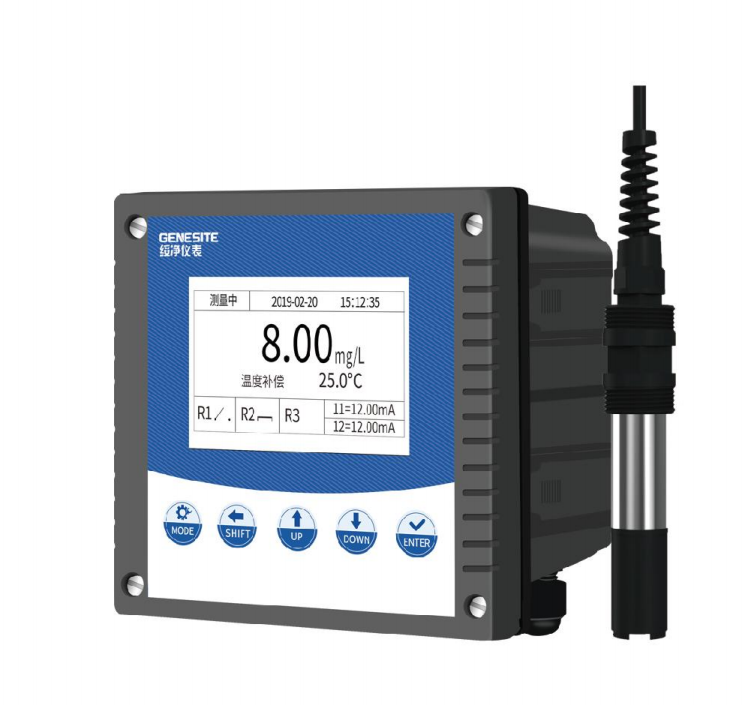
COD sensors, or Chemical Oxygen Demand sensors, are critical components in the field of environmental monitoring, particularly for assessing water quality. These sensors measure the amount of organic compounds in a sample by quantifying the oxygen required to chemically oxidize these substances. A high COD level indicates a high concentration of pollutants, which can have detrimental effects on aquatic life and overall water quality.
The importance of COD sensors can be particularly observed in industries such as wastewater treatment, where they help in monitoring the effectiveness of treatment processes. By continuously measuring COD levels, facilities can ensure that their effluent meets regulatory standards before being released into natural water bodies. This not only aids in compliance with environmental regulations but also protects ecosystems from harmful pollutants.
In addition to wastewater management, COD sensors are utilized in various sectors, including food and beverage, chemical manufacturing, and aquaculture. In the food and beverage industry, for instance, monitoring COD levels can help maintain product quality and safety, as well as optimize production processes. By detecting organic waste contamination, manufacturers can make informed decisions to enhance their operational efficiency.
The functionality of COD sensors is based on various technologies, including colorimetric, electrochemical, and optical methods. Each of these technologies has its advantages, depending on the specific application requirements. For example, electrochemical COD sensors are known for their rapid response times and compact designs, making them suitable for on-site monitoring. On the other hand, colorimetric sensors are often preferred in laboratory settings due to their high sensitivity and accuracy.
Furthermore, the integration of COD sensors with advanced data analytics and IoT (Internet of Things) technologies is paving the way for smarter water quality monitoring solutions. Real-time data collection and analysis allow for immediate responses to changes in water quality, thereby enhancing the efficiency of monitoring systems. This evolution signifies a shift towards more automated and precise environmental monitoring processes.
In conclusion, COD sensors are indispensable tools for assessing water quality across various industries. Their ability to provide critical data on organic pollutants not only helps in regulatory compliance but also plays a vital role in protecting our natural water resources. As technology continues to advance, the capabilities and applications of COD sensors will likely expand, contributing to more sustainable industrial practices and improved environmental health. Understanding these sensors and their function is essential for professionals engaged in environmental science, engineering, and regulatory compliance.
COD sensors, or Chemical Oxygen Demand sensors, are critical components in the field of environmental monitoring, particularly for assessing water quality. These sensors measure the amount of organic compounds in a sample by quantifying the oxygen required to chemically oxidize these substances. A high COD level indicates a high concentration of pollutants, which can have detrimental effects on aquatic life and overall water quality.
The importance of COD sensors can be particularly observed in industries such as wastewater treatment, where they help in monitoring the effectiveness of treatment processes. By continuously measuring COD levels, facilities can ensure that their effluent meets regulatory standards before being released into natural water bodies. This not only aids in compliance with environmental regulations but also protects ecosystems from harmful pollutants.
In addition to wastewater management, COD sensors are utilized in various sectors, including food and beverage, chemical manufacturing, and aquaculture. In the food and beverage industry, for instance, monitoring COD levels can help maintain product quality and safety, as well as optimize production processes. By detecting organic waste contamination, manufacturers can make informed decisions to enhance their operational efficiency.
The functionality of COD sensors is based on various technologies, including colorimetric, electrochemical, and optical methods. Each of these technologies has its advantages, depending on the specific application requirements. For example, electrochemical COD sensors are known for their rapid response times and compact designs, making them suitable for on-site monitoring. On the other hand, colorimetric sensors are often preferred in laboratory settings due to their high sensitivity and accuracy.
Furthermore, the integration of COD sensors with advanced data analytics and IoT (Internet of Things) technologies is paving the way for smarter water quality monitoring solutions. Real-time data collection and analysis allow for immediate responses to changes in water quality, thereby enhancing the efficiency of monitoring systems. This evolution signifies a shift towards more automated and precise environmental monitoring processes.
In conclusion, COD sensors are indispensable tools for assessing water quality across various industries. Their ability to provide critical data on organic pollutants not only helps in regulatory compliance but also plays a vital role in protecting our natural water resources. As technology continues to advance, the capabilities and applications of COD sensors will likely expand, contributing to more sustainable industrial practices and improved environmental health. Understanding these sensors and their function is essential for professionals engaged in environmental science, engineering, and regulatory compliance.
TAG:

Contact Us
E-mail :
andrew@genesit1.com
Phone:
+8615896508337
Address:
Chanhe Industrial Park,LuoYang City, Henan Province,China

SAF Coolest v1.3.1.2 设置面板 GAGSD-AGYF-JZZQE-ZAV
违禁词: 第一,最,一流,领先,独一无二,王者,龙头,领导者,极致,
无数据提示
Sorry,当前栏目正在更新中,敬请期待!
您可以查看其他栏目或返回 首页