GENESITE Environmental Protection Technology Co., Ltd.

How Sensor and Controller Innovations Are Shaping the Future of Electronics
Apr 02,2025
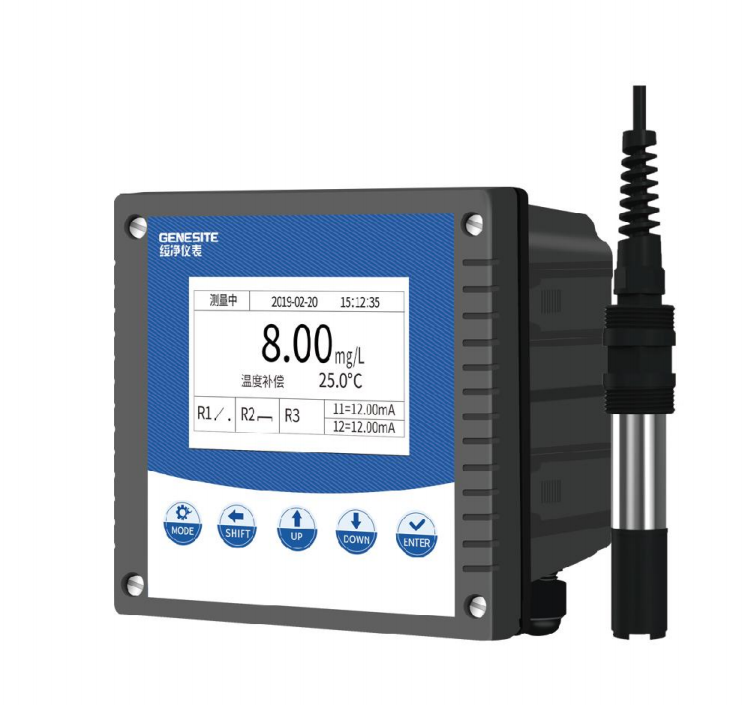
How Sensor and Controller Innovations Are Shaping the Future of Electronics
The evolution of technology is characterized by remarkable innovations that reshape entire industries. In the electronics sector, sensors and controllers stand at the forefront of this revolution, driving advancements that enhance functionality, efficiency, and user experience. As we delve into the transformative role of these components, we will uncover how they are paving the way for the future of electronics.
Table of Contents
- Understanding Sensors and Controllers
- The Role of Sensors in Modern Electronics
- Innovations in Sensor Technology
- The Importance of Controllers in Electronics
- Advancements in Controller Technology
- Integration of Sensors and Controllers in Smart Devices
- Future Trends in Electronics Driven by Sensor Innovations
- Conclusion
- FAQs
Understanding Sensors and Controllers
Sensors and controllers are critical components that enable electronics to interact with their environment effectively. Sensors are devices that detect changes in physical phenomena such as temperature, light, sound, and motion, converting these signals into data that can be interpreted by a controller. Controllers, on the other hand, process this data and issue commands to other components, facilitating automated responses and actions. Together, they form the backbone of modern electronic systems, enabling everything from smartphones to industrial machinery.
The Role of Sensors in Modern Electronics
Sensors have become ubiquitous in a variety of applications, playing a pivotal role in enhancing performance and functionality. They are integral to automotive systems, healthcare devices, consumer electronics, and smart home technologies. For instance, in automotive applications, sensors monitor vehicle performance and environmental conditions, contributing to safety features such as adaptive cruise control and emergency braking systems. In healthcare, wearable sensors monitor vital signs, enabling real-time health tracking and personalized medicine.
The Impact of Sensors on Consumer Electronics
In the realm of consumer electronics, sensors have revolutionized user interfaces and functionality. Touchscreens and voice recognition systems are now commonplace, thanks to advancements in capacitive and acoustic sensors. These innovations enable more intuitive user experiences, allowing consumers to interact with devices in ways that were previously unimaginable.
Innovations in Sensor Technology
Recent innovations in sensor technology have led to the development of highly sensitive and versatile devices. One notable advancement is the emergence of MEMS (Micro-Electro-Mechanical Systems) sensors, which are compact and capable of detecting minute changes in their environment. MEMS sensors are widely used in smartphones for features such as motion sensing, orientation detection, and even barometric pressure measurement.
Wireless Sensor Networks
The integration of wireless technology with sensors has given rise to the concept of wireless sensor networks (WSNs). These networks consist of spatially distributed sensors that communicate wirelessly, allowing for real-time data collection and monitoring over large areas. WSNs are particularly beneficial in applications such as environmental monitoring, smart agriculture, and industrial automation, where data needs to be collected from remote locations.
The Importance of Controllers in Electronics
Controllers are essential for interpreting sensor data and executing necessary actions. They serve as the brain of electronic systems, ensuring that devices operate efficiently and effectively. From simple microcontrollers in household appliances to sophisticated programmable logic controllers (PLCs) in industrial settings, the role of controllers cannot be overstated. They enable precise control over various functions, enhancing the overall performance of electronic devices.
The Evolution of Controller Technology
The evolution of controller technology has been marked by significant advancements. Modern controllers often feature integrated circuits capable of executing complex algorithms at high speeds. This enables them to process data from multiple sensors simultaneously, making real-time decision-making possible. Furthermore, the introduction of artificial intelligence (AI) and machine learning (ML) techniques into controller design has enhanced their capabilities, allowing for adaptive control and predictive maintenance in various applications.
Advancements in Controller Technology
Recent advancements in controller technology have focused on improving energy efficiency and processing power. Low-power microcontrollers are now commonplace, enabling battery-operated devices to operate for extended periods without recharging. Additionally, advancements in processing capabilities have led to the development of multi-core controllers, which can handle more tasks simultaneously, increasing the efficiency of electronic systems.
Smart Controllers and IoT Integration
The rise of the Internet of Things (IoT) has further transformed the landscape of controller technology. Smart controllers equipped with IoT capabilities allow devices to connect to the internet, facilitating remote monitoring and control. This integration empowers users to manage their devices from anywhere, leading to greater convenience and efficiency. For instance, smart thermostats learn user preferences over time, optimizing energy consumption and enhancing comfort.
Integration of Sensors and Controllers in Smart Devices
The convergence of sensors and controllers is at the heart of smart device technology. This integration enables seamless communication between components, allowing for sophisticated functionalities. For instance, in smart homes, motion sensors detect activity and communicate with controllers to adjust lighting, temperature, and security settings accordingly. This synergy enhances user experience and promotes energy efficiency, demonstrating the value of integrated sensor-controller systems.
Case Study: Smart Home Technology
Smart home technology exemplifies the successful integration of sensors and controllers. Devices such as smart lights, security cameras, and thermostats work together to create a cohesive ecosystem. When a motion sensor detects movement, it can trigger a security camera to start recording and send alerts to the homeowner’s smartphone. Similarly, smart thermostats can adjust heating and cooling based on occupancy detected by motion sensors, leading to significant energy savings.
Future Trends in Electronics Driven by Sensor Innovations
The future of electronics promises exciting developments driven by ongoing innovations in sensor technology. As sensors become more advanced, we can expect to see their applications expand into new domains. Here are some key trends to watch:
1. Enhanced Environmental Monitoring
As concerns about climate change and environmental sustainability grow, advanced sensors will play a crucial role in monitoring air quality, water levels, and other environmental indicators. This data will enable governments and organizations to make informed decisions regarding resource management and conservation efforts.
2. Growth of Autonomous Systems
Autonomous systems, such as self-driving cars and drones, will increasingly rely on advanced sensors and controllers to navigate complex environments. Innovations in sensor fusion techniques, which combine data from multiple sensors to improve accuracy and reliability, will be critical for the success of these technologies.
3. Wearable Technology Advancements
Wearable technology will continue to evolve, with sensors becoming more miniaturized and sophisticated. Future wearables will not only monitor health metrics like heart rate and activity levels but also provide real-time feedback and insights to users, empowering them to take control of their health.
4. Smart Cities and Infrastructure
The concept of smart cities will rely heavily on sensor and controller innovations. Sensors embedded in infrastructure will monitor traffic patterns, air quality, and energy consumption, providing valuable data to optimize city planning and management.
5. Enhanced Robotics and Automation
As robotics technology advances, the integration of sensors and controllers will enable more sophisticated automation solutions in industries ranging from manufacturing to healthcare. Intelligent robots equipped with advanced sensing capabilities will be able to perform complex tasks with greater accuracy and efficiency.
Conclusion
In conclusion, sensor and controller innovations are pivotal in shaping the future of electronics. As these technologies continue to evolve, they will redefine the capabilities of electronic systems across various sectors, driving advancements in automation, efficiency, and user experience. By embracing these innovations, we can look forward to a future where electronics seamlessly integrate into our daily lives, enhancing convenience and functionality.
FAQs
1. What are the main types of sensors used in electronics?
The main types of sensors include temperature sensors, pressure sensors, motion sensors, light sensors, and sound sensors. Each type serves specific functions and applications.
2. How do sensors communicate with controllers?
Sensors typically communicate with controllers through analog or digital signals. The controller processes these signals to execute commands based on the data received from the sensor.
3. What are MEMS sensors, and why are they important?
MEMS sensors (Micro-Electro-Mechanical Systems) are miniature devices that integrate mechanical and electrical components. They are important for their high sensitivity, low power consumption, and versatility in various applications.
4. What role does IoT play in sensor and controller integration?
The Internet of Things (IoT) facilitates the connectivity of sensors and controllers, enabling remote monitoring, data analytics, and automation in various applications, from smart homes to industrial systems.
5. What future applications can we expect from sensor and controller innovations?
Future applications may include enhanced environmental monitoring, autonomous systems, advanced wearable technology, smart cities, and improved robotics, all benefiting from ongoing innovations in sensor and controller technologies.
PREVIOUS:

Contact Us
E-mail :
andrew@genesit1.com
Phone:
+8615896508337
Address:
Chanhe Industrial Park,LuoYang City, Henan Province,China

SAF Coolest v1.3.1.2 设置面板 GAGSD-AGYF-JZZQE-ZAV
无数据提示
Sorry,当前栏目正在更新中,敬请期待!
您可以查看其他栏目或返回 首页