GENESITE Environmental Protection Technology Co., Ltd.

How Conductivity Analyzers Enhance Vehicle Maintenance Procedures
Apr 08,2025
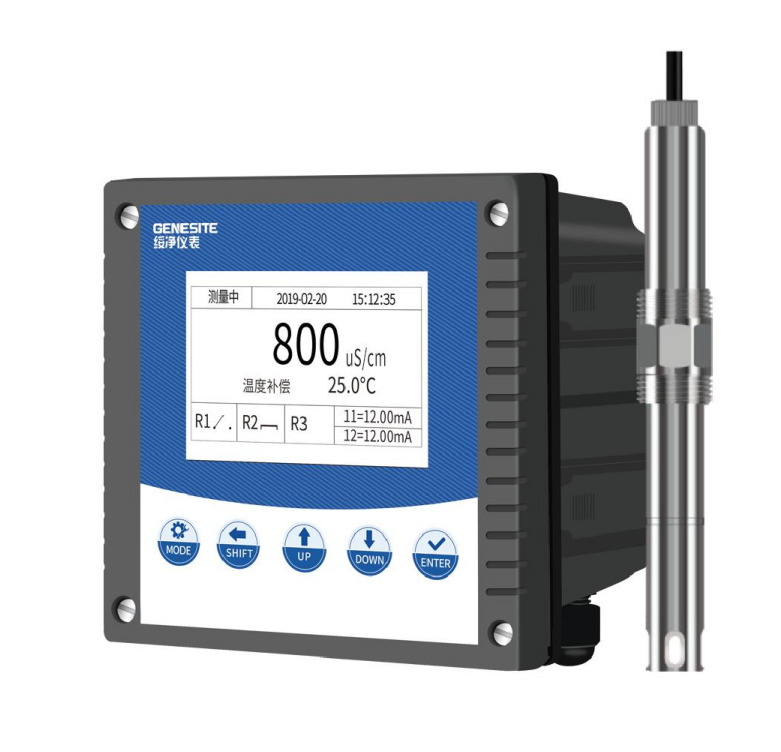
How Conductivity Analyzers Enhance Vehicle Maintenance Procedures
Table of Contents
- 1. Introduction to Conductivity Analyzers
- 2. Understanding Conductivity Analyzers
- 3. Importance of Conductivity Analyzers in Vehicle Maintenance
- 4. How Conductivity Analyzers Work
- 5. Applications of Conductivity Analyzers in Vehicle Repair
- 6. Benefits for Automotive Technicians
- 7. The Future of Automotive Diagnostics with Conductivity Analyzers
- 8. Frequently Asked Questions (FAQs)
- 9. Conclusion
1. Introduction to Conductivity Analyzers
In the ever-evolving world of automotive technology, **conductivity analyzers** have emerged as essential tools for enhancing vehicle maintenance procedures. These devices are designed to measure the electrical conductivity of fluids, providing critical insights that can prevent severe vehicle malfunctions and ensure optimal performance.
Vehicle maintenance is not just about routine inspections and oil changes; it involves utilizing advanced tools that can pinpoint hidden issues. In this article, we delve into how conductivity analyzers are changing the landscape of vehicle maintenance, making processes more efficient and accurate.
2. Understanding Conductivity Analyzers
Conductivity analyzers are instruments that measure the ability of a substance to conduct an electric current. In the context of automotive maintenance, they are primarily used to assess the condition of fluids such as coolant, engine oil, and battery electrolyte. The conductivity of these fluids can indicate their quality and effectiveness.
These analyzers operate on the principle that the conductivity of a solution depends on the number of charged particles in the solution. As contaminants accumulate, the conductivity changes, which can signal problems that need addressing. For example, in cooling systems, increased conductivity may indicate the presence of corrosion or contaminants that can lead to overheating or even system failure.
3. Importance of Conductivity Analyzers in Vehicle Maintenance
Utilizing conductivity analyzers in vehicle maintenance offers several significant advantages:
- **Early Detection of Issues**: By routinely checking the conductivity of fluids, mechanics can identify potential problems before they escalate. This preemptive approach can save time and money by avoiding major repairs.
- **Improved Diagnostic Accuracy**: Conductivity analyzers provide quantitative data that can enhance the diagnostic process. Mechanics can rely on concrete numbers rather than subjective assessments.
- **Enhanced Fluid Management**: Understanding the condition of fluids helps in making informed decisions about fluid replacement or treatment, ensuring that vehicles operate at peak efficiency.
- **Regulatory Compliance**: For commercial fleets, regular fluid testing can ensure compliance with safety and environmental regulations, reducing liability risks.
4. How Conductivity Analyzers Work
The functionality of conductivity analyzers is rooted in their design and technology. Here's a closer look at how they operate:
- **Electrode Configuration**: Conductivity analyzers typically consist of two electrodes that are placed in the fluid sample. The electrical current is passed between these electrodes, allowing the device to measure the resistance encountered.
- **Measurement Process**: When the current flows through the fluid, the analyzer calculates the conductivity based on the resistance and the geometry of the electrodes. Higher levels of contaminants lead to higher conductivity readings.
- **Data Interpretation**: The analyzer provides a readout, often with recommendations or alerts if the conductivity exceeds certain predefined thresholds. This data can be further analyzed to determine the state of the fluid and any necessary actions.
5. Applications of Conductivity Analyzers in Vehicle Repair
Conductivity analyzers find applications in various vehicle maintenance scenarios:
5.1 Coolant System Maintenance
Coolant systems are vital for regulating engine temperature. Conductivity analyzers can assess the coolant's quality, detecting contamination and corrosion. If the conductivity reading is high, it may indicate that the coolant is no longer effective, necessitating replacement.
5.2 Engine Oil Assessment
Regular checks of engine oil conductivity can reveal the presence of contaminants such as fuel or water. Mechanics can utilize this data to decide whether an oil change is required, thus preventing engine wear and tear.
5.3 Battery Maintenance
In battery maintenance, conductivity analyzers can measure the electrolyte solution's conductivity. This helps in assessing the state of charge and overall health of the battery, allowing for timely maintenance or replacement.
5.4 Fuel Quality Testing
Conductivity analyzers can also be used to evaluate fuel quality. High conductivity levels may indicate the presence of water or other impurities, which could affect engine performance.
6. Benefits for Automotive Technicians
Automotive technicians can greatly benefit from the integration of conductivity analyzers into their toolkits:
- **Increased Efficiency**: By quickly diagnosing issues, technicians can reduce the time spent on troubleshooting. This efficiency translates to more cars serviced and satisfied customers.
- **Enhanced Skill Set**: Familiarity with advanced diagnostic tools like conductivity analyzers enhances a technician's expertise, making them more valuable in the job market.
- **Better Customer Communication**: Technicians can provide data-driven explanations to customers about the state of their vehicles, fostering trust and ensuring transparency.
- **Cost Savings**: By identifying issues early, technicians can help customers save on costly repairs associated with neglecting fluid maintenance.
7. The Future of Automotive Diagnostics with Conductivity Analyzers
As automotive technology continues to advance, the role of conductivity analyzers will only grow in importance. Future developments may include:
- **Integration with Vehicle Diagnostics Systems**: Conductivity analyzers could be integrated with onboard diagnostics systems, providing real-time data on fluid conditions and alerting drivers to potential issues.
- **Smart Technology**: The use of IoT (Internet of Things) technology could enable conductivity analyzers to send data directly to mechanics or service centers, allowing for proactive maintenance scheduling.
- **Expanded Applications**: Future models may be designed to test a wider range of fluids and materials, broadening their utility in vehicle maintenance beyond traditional uses.
8. Frequently Asked Questions (FAQs)
8.1 What is a conductivity analyzer?
A conductivity analyzer is a device that measures the electrical conductivity of liquids, helping to assess their purity and condition, particularly in automotive fluids.
8.2 How often should I test my vehicle's fluids using a conductivity analyzer?
It is recommended to test vehicle fluids at least every six months or during routine maintenance checks to monitor their condition.
8.3 Can conductivity analyzers detect all types of fluid contamination?
While conductivity analyzers are effective at detecting certain contaminants, they may not identify all types. Combining them with other diagnostic tools can provide a more comprehensive assessment.
8.4 Are conductivity analyzers easy to use?
Yes, most conductivity analyzers are user-friendly and come with clear instructions, making them accessible for both professionals and DIY enthusiasts.
8.5 What should I do if my conductivity readings are high?
High conductivity readings typically indicate contamination or degradation of the fluid. It is advisable to replace the fluid immediately and investigate the source of contamination.
9. Conclusion
Conductivity analyzers are transforming vehicle maintenance procedures by providing invaluable insights into the condition of essential fluids. Their ability to detect early signs of issues not only enhances diagnostic accuracy but also supports better maintenance practices. As technology advances, we expect these tools to become even more integral to vehicle health management, ensuring that drivers enjoy safe and efficient transportation. Embracing conductivity analyzers is a step towards a more proactive approach in automotive care, benefiting both technicians and vehicle owners alike. By prioritizing fluid condition monitoring, we can significantly enhance the longevity and performance of vehicles on the road today.

Contact Us
E-mail :
andrew@genesit1.com
Phone:
+8615896508337
Address:
Chanhe Industrial Park,LuoYang City, Henan Province,China


SAF Coolest v1.3.1.2 设置面板 GAGSD-AGYF-JZZQE-ZAV
违禁词: 第一,最,一流,领先,独一无二,王者,龙头,领导者,极致,
无数据提示
Sorry,当前栏目正在更新中,敬请期待!
您可以查看其他栏目或返回 首页