GENESITE Environmental Protection Technology Co., Ltd.

Understanding Water Samplers: Essential Tools for Pharmaceutical Analysis
Apr 07,2025
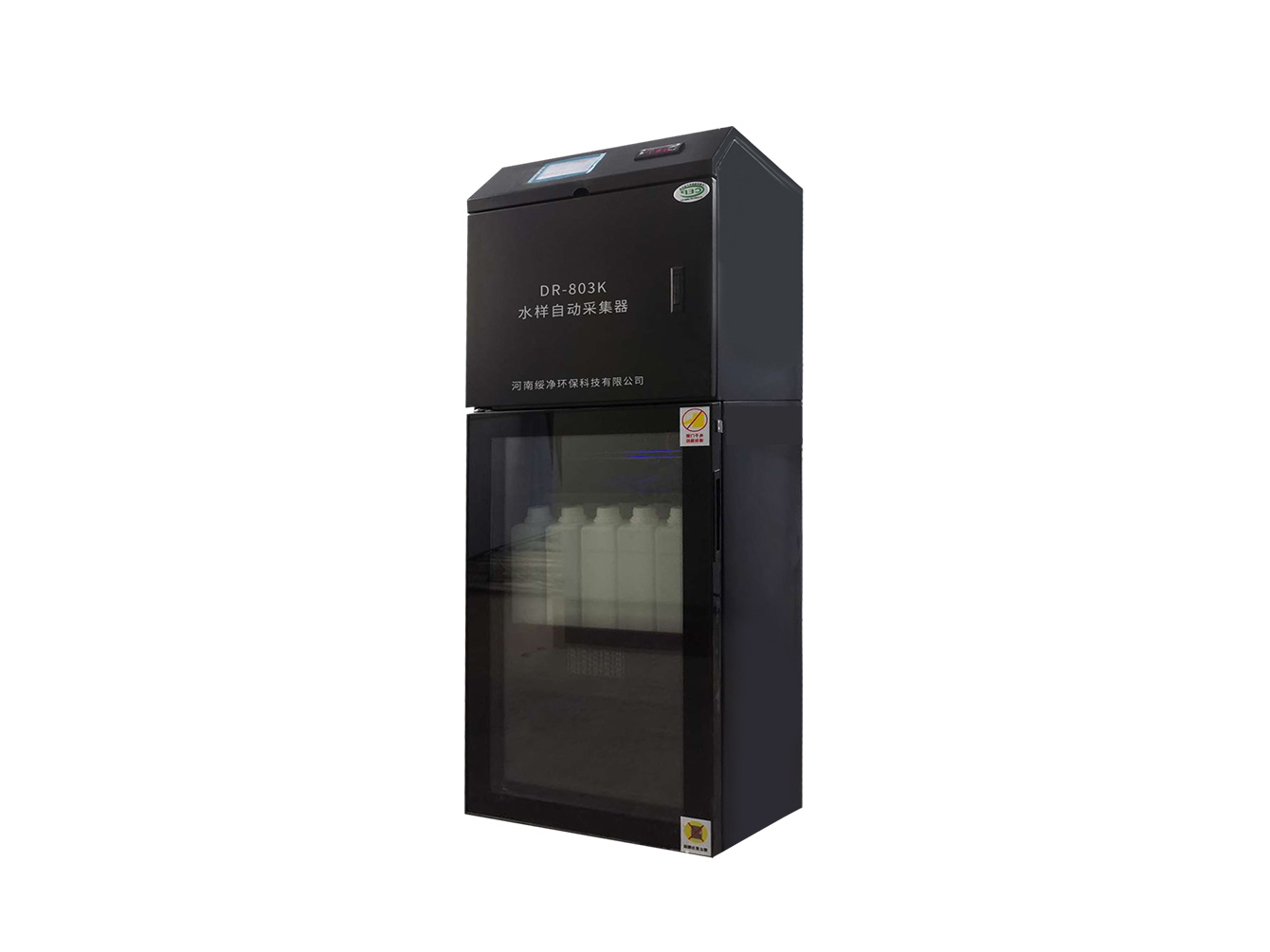
Water samplers are invaluable instruments in the pharmaceutical and healthcare industries, primarily used for collecting water samples for analysis. These devices are essential in various applications, including environmental monitoring, quality control, and compliance with regulatory standards. Understanding the types and functionalities of water samplers can greatly enhance the efficiency and accuracy of your sampling processes, ultimately leading to better decision-making in health and safety practices.
One of the primary roles of a water sampler is to facilitate the measurement of various parameters such as pH levels, dissolved oxygen, and contaminants. This data is crucial for maintaining the integrity of pharmaceutical production processes, ensuring that water used in formulations meets the required safety standards. Water samplers help in detecting potential contaminants or deviations in water quality that could affect product safety and efficacy.
There are several types of water samplers, each designed for specific purposes. Grab samplers are one of the simplest forms, allowing users to collect a single sample from a specific location at a particular time. While these are effective for quick assessments, they may not represent the overall quality of water over time. Conversely, composite samplers collect multiple samples over a specified period, providing a more comprehensive view of water quality. This type of sampling is particularly beneficial for long-term monitoring of water sources.
Moreover, automatic water samplers are increasingly being utilized in pharmaceutical applications. These devices can be programmed to collect samples at predetermined intervals, ensuring consistency and reducing the potential for human error. This capability is especially useful in large-scale operations where manual sampling may be impractical. The automation of sampling not only enhances efficiency but also ensures compliance with regulatory requirements, as it generates accurate and reliable data.
In addition to their applications in pharmaceuticals, water samplers are also employed in environmental studies, wastewater management, and research laboratories. By ensuring that water samples are collected correctly and analyzed promptly, these devices contribute significantly to public health and safety.
When selecting a water sampler, it is essential to consider factors such as the specific application, the required volume of samples, and the intended analysis methods. Understanding the capabilities and limitations of each type of sampler will enable professionals to choose the right tools for their specific needs.
In conclusion, water samplers are crucial in the medical and pharmaceutical sectors, serving as the first line of defense in quality control and compliance efforts. By understanding their importance and functionality, professionals can enhance their sampling processes, leading to better outcomes in product safety and efficacy.

Contact Us
E-mail :
andrew@genesit1.com
Phone:
+8615896508337
Address:
Chanhe Industrial Park,LuoYang City, Henan Province,China

SAF Coolest v1.3.1.2 设置面板 GAGSD-AGYF-JZZQE-ZAV
无数据提示
Sorry,当前栏目正在更新中,敬请期待!
您可以查看其他栏目或返回 首页