GENESITE Environmental Protection Technology Co., Ltd.

How to Choose the Right Turbidity Detector for Your Water Quality Needs
Apr 06,2025
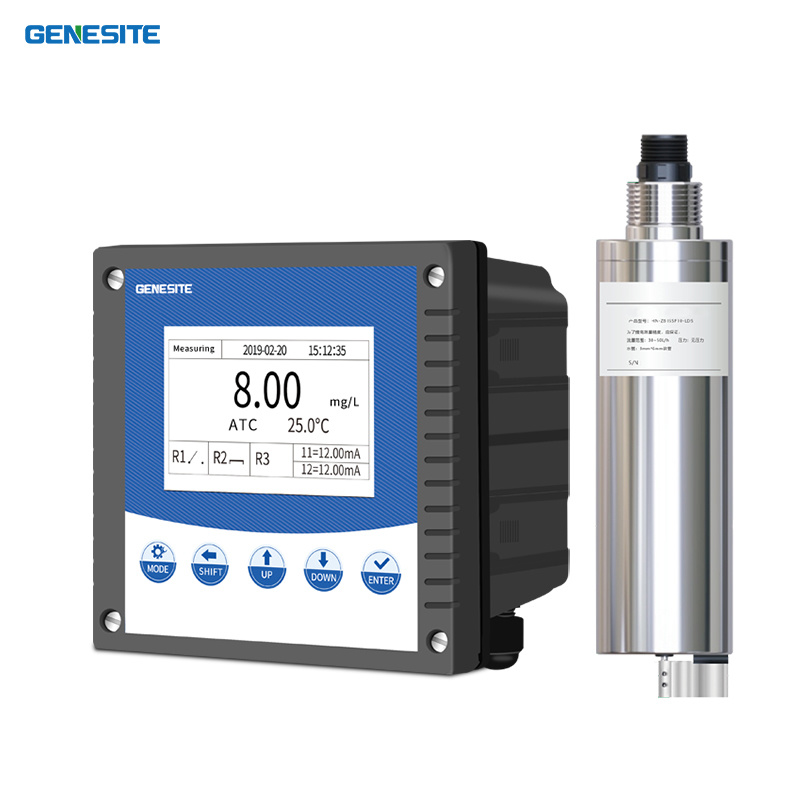
How to Choose the Right Turbidity Detector for Your Water Quality Needs
Understanding Turbidity and Its Importance in Water Quality
Turbidity refers to the cloudiness or haziness of a fluid, which is caused by the presence of suspended particles, such as sediment, algae, or microorganisms. **Understanding turbidity is crucial** for various applications, including drinking water treatment, wastewater management, and environmental monitoring. High turbidity levels can indicate potential health risks, as they might harbor pathogens or toxins. Therefore, having an effective turbidity detector is essential for maintaining water quality standards.
What is a Turbidity Detector?
A turbidity detector is a specialized instrument designed to measure the turbidity levels in liquids. These devices utilize optical methods to assess the degree of light scattering caused by suspended particles. **Choosing the right turbidity detector** ensures that you obtain accurate and reliable readings, which are vital for effective water quality management.
Types of Turbidity Detectors
When selecting a turbidity detector, it is important to understand the various types available:
1. Portable Turbidity Meters
Portable turbidity meters are compact devices ideal for field use. They are battery-operated and easy to carry, making them suitable for on-site testing in different water bodies. **Features to look for** include user-friendly interfaces, durable designs, and quick measurement times.
2. Benchtop Turbidity Meters
Benchtop turbidity meters are designed for laboratory environments. These devices typically offer higher precision and more advanced features than portable models. They are ideal for comprehensive water quality analysis, including research and regulatory compliance.
3. Online Turbidity Sensors
Online turbidity sensors are permanently installed in water systems to provide continuous monitoring. They are essential for real-time data collection, ensuring timely responses to changes in water quality. **Integration with other monitoring systems** can enhance their effectiveness.
Key Features to Consider When Choosing a Turbidity Detector
Selecting the right turbidity detector involves evaluating several critical features:
1. Measurement Range
The measurement range indicates the lowest and highest turbidity levels a detector can measure. **Choosing a device with an appropriate range** is essential based on the expected turbidity levels of your water samples.
2. Calibration
Calibration is crucial for accuracy. Look for turbidity detectors that offer easy calibration procedures and reliable standards. Regular calibration ensures that your measurements remain consistent and trustworthy.
3. Sensitivity
Sensitivity refers to the detector's ability to measure small changes in turbidity. **Higher sensitivity** is particularly vital in applications where even minor variations can indicate potential water quality issues.
4. Response Time
The response time indicates how quickly the device provides results after a sample is taken. A shorter response time allows for prompt decision-making, especially in critical situations where water quality fluctuates rapidly.
5. Ease of Use
User-friendly interfaces and intuitive operation are essential, particularly for field measurements. Look for devices with straightforward controls and clear display readings that simplify the data collection process.
6. Maintenance and Durability
Consider the maintenance requirements of the turbidity detector. Devices that are easy to clean and require minimal maintenance will save time and resources. Additionally, ensure that the detector is durable enough to withstand the conditions of your working environment.
Applications of Turbidity Detectors in Water Quality Management
Turbidity detectors play a vital role in various fields related to water quality management:
1. Drinking Water Treatment
In drinking water treatment facilities, turbidity detectors help monitor water clarity, ensuring that treatment processes effectively remove harmful contaminants.
2. Wastewater Treatment
In wastewater treatment plants, turbidity detection is essential for assessing treatment efficiency and ensuring compliance with environmental regulations. High turbidity levels may require additional treatment steps to meet discharge standards.
3. Environmental Monitoring
For environmental scientists, turbidity detectors are invaluable in assessing the health of aquatic ecosystems. Monitoring turbidity levels in rivers, lakes, and oceans helps identify pollution sources and track changes in water quality over time.
The Selection Process: Step-by-Step Guide
To help you navigate the selection process for a turbidity detector, follow these steps:
1. Define Your Needs
Begin by determining the specific applications and environments in which you will use the turbidity detector. Consider factors such as measurement range, response time, and portability based on your unique circumstances.
2. Research Available Options
Investigate various models and brands of turbidity detectors. Read product specifications, customer reviews, and expert opinions to gather information about performance and reliability.
3. Compare Features and Prices
Once you have a shortlist of potential detectors, compare their features and pricing. Look for the best value for money, considering both initial costs and long-term maintenance expenses.
4. Seek Expert Advice
Consult with industry professionals or suppliers who can provide insights into the best options for your specific needs. They can offer recommendations based on their experiences with different models.
5. Make Your Purchase
After thorough research and comparison, make an informed decision and purchase the turbidity detector that best meets your requirements.
Frequently Asked Questions (FAQs)
1. What is the ideal turbidity level for drinking water?
The ideal turbidity level for drinking water is generally less than 1 NTU (Nephelometric Turbidity Units). Higher levels may indicate potential contamination and require immediate attention.
2. How often should I calibrate my turbidity detector?
Calibration frequency depends on usage and the manufacturer's recommendations. Regular calibration is essential for maintaining accuracy, particularly in critical applications.
3. Can turbidity detectors measure other parameters?
Many modern turbidity detectors are equipped with additional sensors to measure parameters like pH, conductivity, and dissolved oxygen, providing more comprehensive water quality analysis.
4. Are portable turbidity meters accurate enough for laboratory use?
While portable turbidity meters are designed for field use, many high-quality models offer sufficient accuracy for laboratory applications. However, benchtop models may provide superior precision for detailed research.
5. What should I do if my turbidity readings are consistently high?
Consistently high turbidity readings may indicate pollution or inadequate treatment processes. Investigate potential sources of contamination, and consider implementing additional treatment or filtration methods.
Conclusion
Choosing the right turbidity detector for your water quality needs is a critical decision that can significantly impact your water management practices. By understanding the types of turbidity detectors available, evaluating their key features, and following a step-by-step selection process, you can make an informed choice that ensures accurate and reliable measurements. Whether for drinking water treatment, wastewater management, or environmental monitoring, having the right turbidity detector will empower you to maintain high water quality standards and promote public health and environmental sustainability.

Contact Us
E-mail :
andrew@genesit1.com
Phone:
+8615896508337
Address:
Chanhe Industrial Park,LuoYang City, Henan Province,China

SAF Coolest v1.3.1.2 设置面板 GAGSD-AGYF-JZZQE-ZAV
无数据提示
Sorry,当前栏目正在更新中,敬请期待!
您可以查看其他栏目或返回 首页