GENESITE Environmental Protection Technology Co., Ltd.

The Pivotal Function of Sensors and Controllers in Today's Automation Systems
May 09,2025
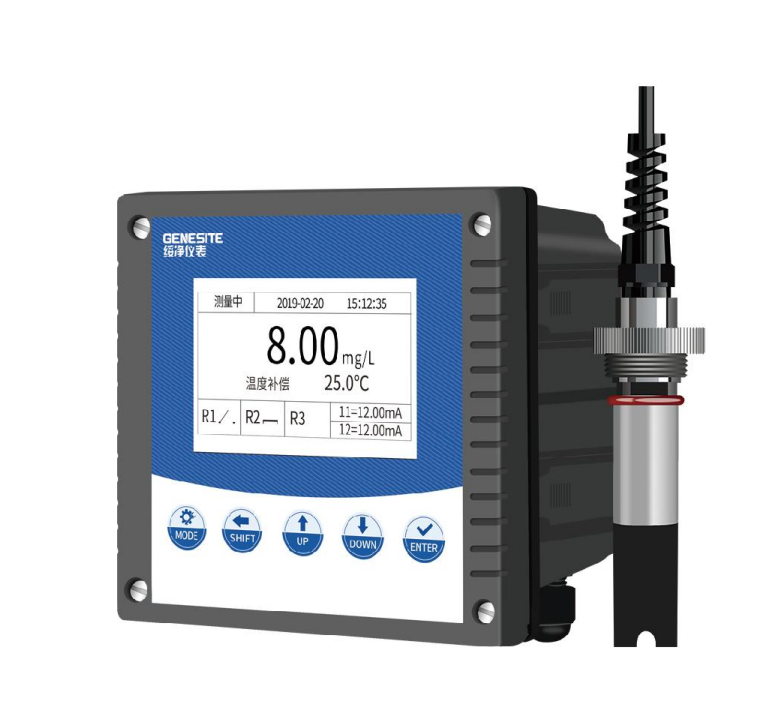
The Pivotal Function of Sensors and Controllers in Today's Automation Systems
In a world increasingly driven by technology, the role of sensors and controllers in modern automation systems cannot be overstated. These components act as the backbone of automation, facilitating seamless interactions between machines and the environment. As industries evolve and embrace advanced technologies, understanding the significance of sensors and controllers becomes paramount. In this article, we delve deep into their functions, applications, and future prospects within various sectors.
Table of Contents
- Understanding Sensors: The Eyes of Automation
- Types of Sensors Used in Automation Systems
- Controllers: The Brains Behind the Operation
- Integration of Sensors and Controllers in Automation
- Applications of Sensors and Controllers in Various Industries
- The Benefits of Using Sensors and Controllers in Automation
- Challenges in Implementing Sensors and Controllers
- Future Trends in Sensor and Controller Technologies
- Frequently Asked Questions
Understanding Sensors: The Eyes of Automation
Sensors are devices that detect changes in the environment and respond accordingly. They gather data, which is essential for decision-making in automated systems. By converting physical phenomena into readable signals, sensors provide crucial information for monitoring and controlling various processes. The data collected enables systems to adapt to changing conditions, ensuring efficiency and safety.
How Sensors Work
Sensors operate by utilizing different principles of physics and chemistry. For instance, temperature sensors use thermoelectric effects to measure heat, while pressure sensors rely on changes in resistance or capacitance. These sensors convert analog signals into digital data, making it easier for controllers to process and act upon this information.
Types of Sensors Used in Automation Systems
Various types of sensors play distinct roles in automation systems. Here are some of the most common types:
1. Temperature Sensors
Temperature sensors are vital for processes that require precise thermal management. They are widely used in HVAC systems, manufacturing, and food storage.
2. Proximity Sensors
Proximity sensors detect the presence of nearby objects without physical contact, making them essential for safety and automation in manufacturing lines.
3. Pressure Sensors
Pressure sensors monitor the pressure within systems, ensuring that operations remain within safe limits. Commonly used in hydraulic systems, automotive applications, and environmental monitoring.
4. Light Sensors
Light sensors gauge ambient light levels, allowing automated systems to adjust accordingly. They find applications in smart lighting and agricultural systems.
5. Flow Sensors
Flow sensors measure the flow rate of liquids or gases, providing vital data for industrial processes, water supply systems, and HVAC operations.
Controllers: The Brains Behind the Operation
Controllers are essential components that process data received from sensors and make decisions based on this information. They issue commands to actuators, motors, and other devices, ensuring that the automation system operates smoothly and efficiently.
Types of Controllers
There are various types of controllers used in automation systems:
1. Programmable Logic Controllers (PLC)
PLCs are ruggedized computers designed for industrial environments. They execute user-defined programs to perform specific tasks, such as controlling machinery and processes.
2. Distributed Control Systems (DCS)
DCSs are used for complex processes requiring continuous monitoring and control. They facilitate the integration of multiple control loops across a vast system.
3. Supervisory Control and Data Acquisition (SCADA)
SCADA systems allow for centralized control of industrial processes. They collect real-time data from sensors and enable remote monitoring and control.
Integration of Sensors and Controllers in Automation
The synergy between sensors and controllers is critical for effective automation. Data flows from sensors to controllers, which then process this information and execute commands. This interconnectedness enables real-time monitoring, adjustments, and improved operational efficiency.
System Architecture
Modern automation systems often utilize a layered architecture where sensors, controllers, and actuators are organized in a hierarchical manner. This architecture allows for scalable solutions where components can be added or reconfigured as needed.
Applications of Sensors and Controllers in Various Industries
The applications of sensors and controllers are vast and diverse:
1. Manufacturing
In manufacturing, sensors monitor equipment conditions, while controllers optimize production schedules, minimize downtime, and enhance safety protocols.
2. Agriculture
Smart agriculture employs sensors to monitor soil moisture, temperature, and crop health, while controllers automate irrigation systems, improving yield and resource management.
3. Healthcare
In healthcare, sensors are used for patient monitoring, while controllers manage medical devices, ensuring that patients receive timely and accurate treatments.
4. Transportation
Traffic management systems utilize sensors to monitor vehicle flow, while controllers adjust traffic signals, enhancing urban mobility and reducing congestion.
5. Smart Homes
Smart home technologies leverage sensors for security and energy management, while controllers automate lighting, heating, and appliance usage based on user preferences.
The Benefits of Using Sensors and Controllers in Automation
The advantages of implementing sensors and controllers in automation are significant:
1. Enhanced Efficiency
By automating processes, organizations can achieve higher efficiency levels, reducing operational costs and time spent on manual tasks.
2. Improved Accuracy
Sensors provide precise data, allowing controllers to make informed decisions, thus minimizing errors and enhancing overall system performance.
3. Increased Safety
Automated systems can monitor hazardous conditions, preventing accidents and ensuring a safer working environment for employees.
4. Greater Scalability
With modular and flexible designs, organizations can easily scale their automation systems to meet evolving demands without significant overhauls.
5. Enhanced Data Collection
Automated systems facilitate continuous data collection, empowering organizations to analyze trends, improve forecasting, and optimize processes over time.
Challenges in Implementing Sensors and Controllers
While the benefits of sensors and controllers are clear, certain challenges may arise during implementation:
1. Integration Complexities
Integrating new sensors and controllers into existing systems can be challenging due to compatibility issues and legacy technologies.
2. Cost Considerations
The initial investment for advanced sensors and controllers can be substantial, which may deter some organizations from adopting automation.
3. Data Security
As automation systems become more interconnected, the risk of cybersecurity threats increases, necessitating robust security measures throughout the system.
Future Trends in Sensor and Controller Technologies
As technology continues to advance, several trends are shaping the future of sensors and controllers:
1. Internet of Things (IoT)
The proliferation of IoT devices is enhancing connectivity between sensors and controllers, leading to smarter automation systems capable of real-time data exchange and analysis.
2. Artificial Intelligence (AI)
Integrating AI with sensors and controllers enables predictive analytics, optimizing processes and improving decision-making in automation systems.
3. Miniaturization
Ongoing advancements in technology are leading to the miniaturization of sensors, allowing for more compact and versatile automation solutions.
4. Enhanced Sensor Technologies
New sensor technologies, such as biosensors and advanced imaging sensors, are emerging, expanding the potential applications of automation in diverse fields.
Frequently Asked Questions
1. What are the primary functions of sensors in automation systems?
Sensors detect environmental changes and convert them into readable signals for controllers to process, enabling real-time monitoring and control of processes.
2. How do controllers interact with sensors in automation?
Controllers receive data from sensors, process this information, and send commands to actuators or other devices to carry out specific operations within the automation system.
3. What types of industries benefit most from sensors and controllers?
Manufacturing, agriculture, healthcare, transportation, and smart homes are among the industries that significantly benefit from implementing sensors and controllers in their operational processes.
4. What are the challenges faced during the implementation of automation systems?
Integration complexities, cost considerations, and data security risks are common challenges that organizations may encounter when implementing automation systems.
5. How do future trends impact sensor and controller technologies?
Emerging trends like IoT, AI, and enhanced sensor technologies are driving innovations in automation, making systems smarter, more efficient, and increasingly capable of handling complex tasks.
Conclusion
In conclusion, sensors and controllers play a **critical role** in modern automation systems, driving efficiency, safety, and accuracy across various industries. As technology continues to evolve, the integration and advancement of these components will shape the future of automation, allowing for smarter, more connected systems. By understanding the functionalities and applications of sensors and controllers, organizations can harness their potential to transform operations and remain competitive in an ever-changing landscape.
PREVIOUS:

Contact Us
E-mail :
andrew@genesit1.com
Phone:
+8615896508337
Address:
Chanhe Industrial Park,LuoYang City, Henan Province,China

SAF Coolest v1.3.1.2 设置面板 GAGSD-AGYF-JZZQE-ZAV
无数据提示
Sorry,当前栏目正在更新中,敬请期待!
您可以查看其他栏目或返回 首页