GENESITE Environmental Protection Technology Co., Ltd.

Understanding COD Sensors: Key Insights and Applications
May 05,2025
---
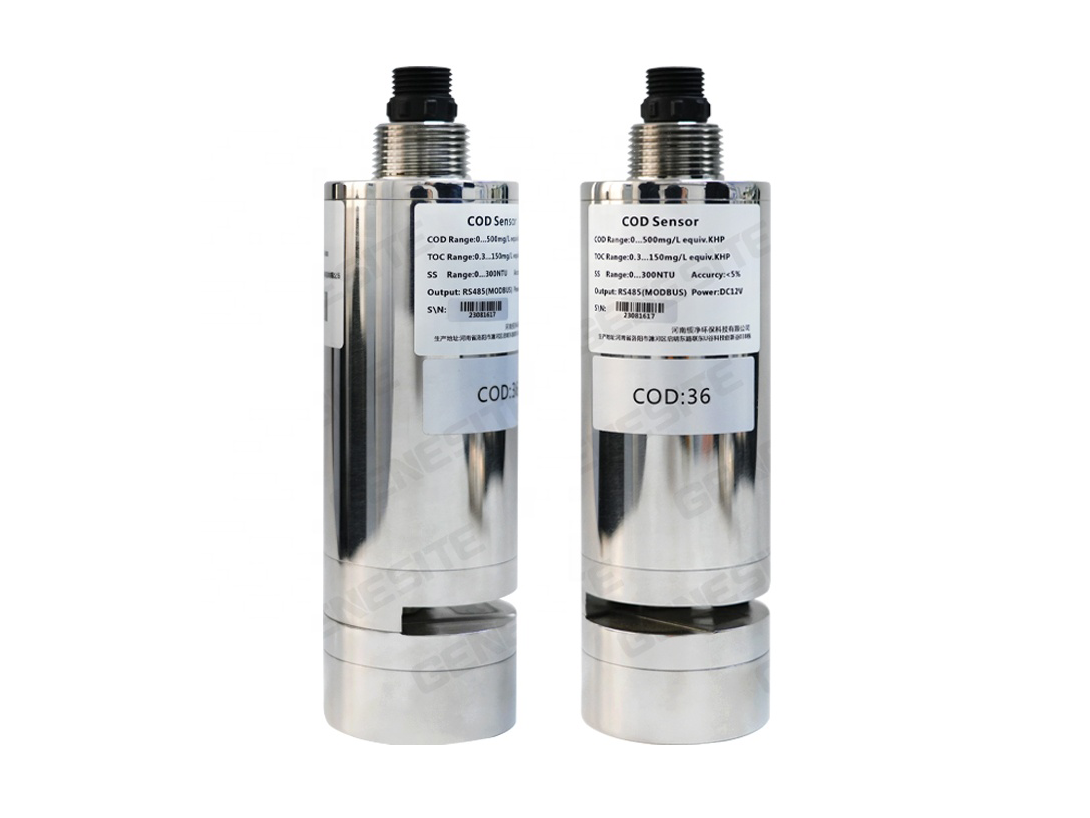
COD sensors, or Chemical Oxygen Demand sensors, play a pivotal role in environmental monitoring and analysis. These sensors are designed to measure the amount of oxygen that is consumed when organic matter in water is oxidized, which provides valuable insights into water quality. Understanding the functionality and applications of COD sensors can help industries ensure compliance with environmental standards and improve various processes.
One of the primary functions of a COD sensor is to determine the level of organic pollutants in water. High COD levels often indicate the presence of substances harmful to aquatic life, which can result from industrial discharges, agricultural runoff, and even domestic waste. By regularly monitoring COD levels, industries can identify potential sources of pollution and take proactive measures to mitigate environmental impact.
COD sensors operate through a chemical analysis process, where a sample of water is treated with a strong oxidizing agent. The amount of oxygen required to oxidize the organic matter is measured, and this value is reported as the COD level. This process can be performed using various techniques, including closed reflux, open reflux, and even advanced methods like UV photolysis, depending on the accuracy and sensitivity required.
In practical applications, COD sensors are commonly utilized in wastewater treatment plants, industrial effluent monitoring, and in the assessment of water bodies. For instance, in wastewater treatment, these sensors help operators determine the efficiency of the treatment process and ensure that the effluent meets regulatory requirements before discharge. In industrial settings, monitoring COD levels can assist companies in reducing waste, enhancing operational efficiency, and promoting sustainable practices.
Moreover, the integration of COD sensors with digital technology, such as IoT (Internet of Things), has revolutionized water quality monitoring. These smart sensors can transmit real-time data to centralized systems, allowing for continuous monitoring and immediate action if thresholds are exceeded. This technological advancement not only improves response times but also aids in data collection for regulatory reporting.
In conclusion, COD sensors are integral tools in maintaining water quality and protecting environmental health. Their ability to accurately measure organic contamination levels empowers industries to adhere to environmental regulations and fosters a culture of sustainability. As technology continues to evolve, the capabilities of COD sensors will likely expand, providing even more robust solutions for monitoring and safeguarding our water resources. Whether in industrial, municipal, or environmental contexts, understanding the role of COD sensors is crucial for anyone involved in water quality management.

Contact Us
E-mail :
andrew@genesit1.com
Phone:
+8615896508337
Address:
Chanhe Industrial Park,LuoYang City, Henan Province,China

SAF Coolest v1.3.1.2 设置面板 GAGSD-AGYF-JZZQE-ZAV
无数据提示
Sorry,当前栏目正在更新中,敬请期待!
您可以查看其他栏目或返回 首页