GENESITE Environmental Protection Technology Co., Ltd.

Exploring the Essential Role of Water Samplers in Pharmaceutical Analysis
Oct 11,2025
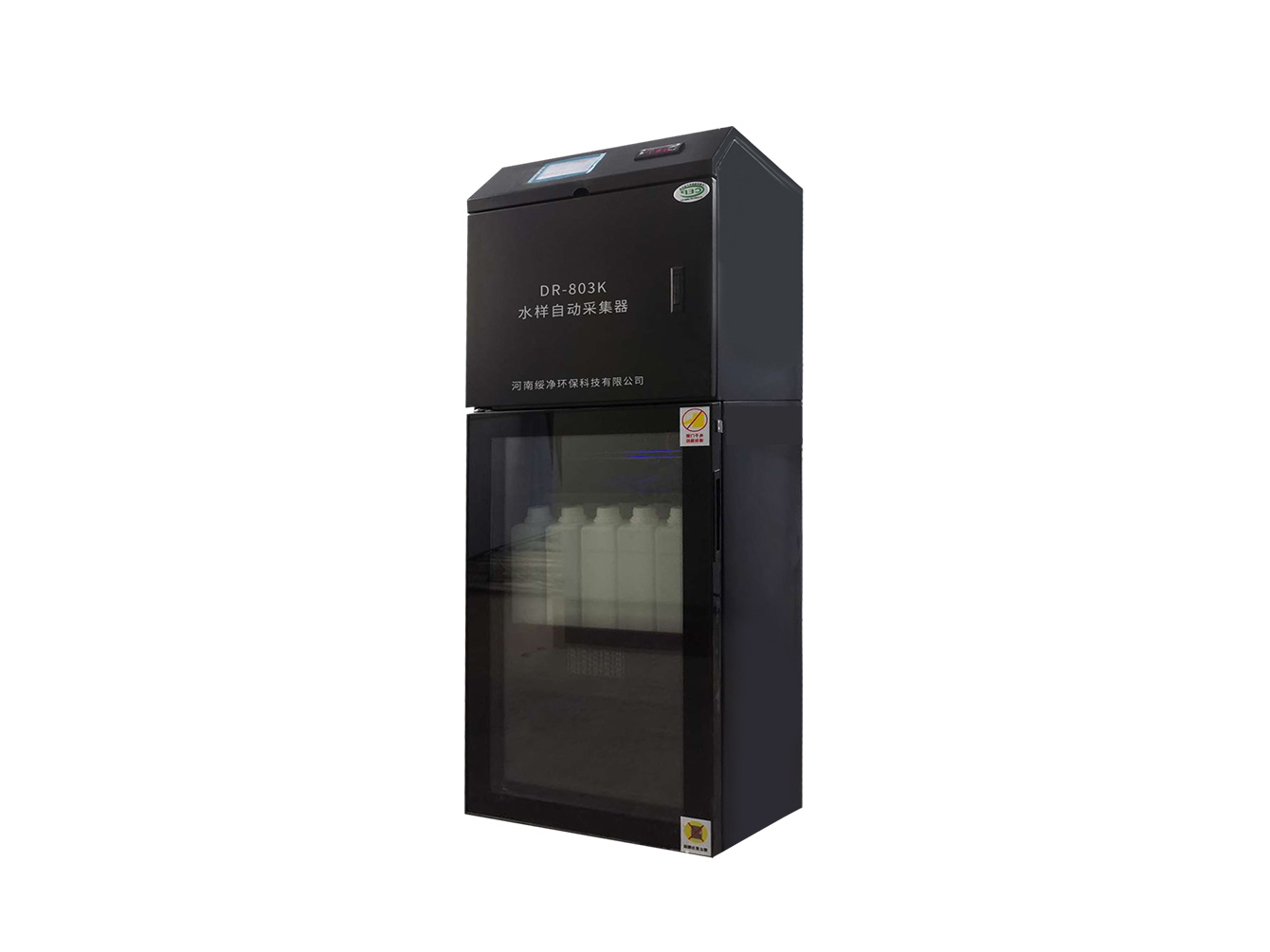
Exploring the Essential Role of Water Samplers in Pharmaceutical Analysis
Table of Contents
- 1. Introduction to Water Samplers in Pharmaceutical Analysis
- 2. Importance of Water Quality in Pharmaceuticals
1. Introduction to Water Samplers in Pharmaceutical Analysis
Water plays a pivotal role in the pharmaceutical industry, serving as a key component in the production of drugs and the maintenance of laboratory environments. The purity and quality of water are crucial, as they directly influence the safety, efficacy, and regulatory compliance of pharmaceutical products. **Water samplers** are specialized tools designed to collect water samples for analysis, ensuring that the water meets stringent quality standards. In this article, we will explore the essential role of water samplers in pharmaceutical analysis, detailing their types, technologies, regulatory guidelines, best practices, and future trends.
2. Importance of Water Quality in Pharmaceuticals
The significance of high-quality water in pharmaceuticals cannot be overstated. Water is commonly used in manufacturing, cleaning processes, and as an ingredient in drug formulations. Impurities in water can lead to contamination, adversely affecting patient safety and product effectiveness. The **pharmaceutical industry** adheres to strict quality control measures to ensure that all water used in manufacturing processes is free from contaminants.
Water quality impacts various aspects, including:
- **Product Purity**: Contaminated water can introduce harmful substances into drug formulations.
- **Regulatory Compliance**: Regulatory bodies like the FDA and EMA enforce stringent guidelines for water quality.
- **Operational Efficiency**: High-quality water can improve the efficiency of manufacturing processes, reducing waste and downtime.
3. Types of Water Samplers Used in Pharmaceutical Analysis
Understanding the different types of water samplers is crucial for pharmaceutical companies. Each type serves a unique purpose, depending on the sampling requirements. The primary categories include:
3.1. Grab Samplers
Grab samplers are used to collect a single sample at a specific point in time. They are ideal for quick assessments or when immediate analysis is necessary. While they offer ease of use, grab samples may not provide a comprehensive view of water quality over time.
3.2. Composite Samplers
Composite samplers aggregate multiple water samples collected over a period. This method helps in obtaining a more accurate reflection of water quality by averaging results. Composite sampling is particularly useful for monitoring water quality in larger systems.
3.3. Automated Samplers
Automated samplers allow for continuous monitoring and sampling without the need for manual intervention. These systems can be programmed to collect samples at predetermined intervals, ensuring consistent monitoring of water quality.
4. Advanced Technologies in Water Sampling
The advent of technology has revolutionized water sampling methods in the pharmaceutical industry. Modern water samplers are equipped with advanced features that enhance their efficiency and effectiveness.
4.1. Smart Water Sampling Systems
Smart water sampling systems integrate IoT technology, enabling remote monitoring and data collection. These systems can send alerts in real-time, ensuring that any deviations in water quality are promptly addressed.
4.2. Portable Water Samplers
Portable water samplers are designed for field use, allowing for convenient sampling in various locations. These devices are lightweight and easy to transport, making them ideal for on-site testing.
4.3. Online Water Quality Monitoring
Online monitoring systems provide continuous data on water quality parameters. These systems can detect changes in real-time, enabling immediate action to mitigate contamination risks.
5. Compliance and Regulatory Guidelines for Water Sampling
The pharmaceutical sector is highly regulated, and adherence to guidelines is paramount. Understanding these regulations helps ensure that water sampling processes meet the required standards.
5.1. FDA Guidelines
The U.S. Food and Drug Administration (FDA) stipulates that all pharmaceutical companies must comply with specific water quality standards. This includes regular testing and documentation of water samples.
5.2. EU Regulations
The European Medicines Agency (EMA) enforces strict regulations regarding water quality in the pharmaceutical industry. Companies must demonstrate compliance with the European Pharmacopoeia, which outlines the standards for water used in medicinal products.
5.3. WHO Recommendations
The World Health Organization (WHO) offers guidelines on water quality and safety in pharmaceuticals. Adhering to these recommendations is essential for global pharmaceutical companies operating in multiple markets.
6. Best Practices for Effective Water Sampling
Implementing best practices in water sampling leads to more reliable results and ensures compliance with industry standards.
6.1. Proper Training for Personnel
Ensuring that staff members are adequately trained in sampling techniques is crucial. Training should cover operational procedures, safety protocols, and the importance of maintaining water quality.
6.2. Regular Calibration of Equipment
Calibration of water sampling equipment must be performed regularly to ensure accurate measurements. This practice minimizes the risk of errors during sampling.
6.3. Thorough Documentation
Keeping detailed records of all water sampling activities is essential for compliance. Documentation should include sampling dates, methods used, and results obtained.
7. Future Trends in Water Sampling Technologies
As the pharmaceutical industry evolves, so too do water sampling technologies. Several trends are shaping the future of water sampling in this sector.
7.1. Increased Automation
Automation will continue to play a significant role in water sampling. Companies will increasingly adopt automated systems to improve efficiency and accuracy.
7.2. Enhanced Data Analytics
The integration of advanced data analytics will enable companies to gain valuable insights from water sampling data. Predictive analytics will help identify potential contamination risks before they become critical issues.
7.3. Sustainable Practices
The push for sustainability will influence water sampling methods. Companies will seek environmentally friendly options, including reducing water waste during sampling processes.
8. Conclusion
Water samplers are indispensable tools in the pharmaceutical industry, ensuring that water quality meets the highest standards. By understanding the importance of water quality, the various types of samplers available, regulatory guidelines, and best practices, pharmaceutical companies can enhance their analysis processes. Investing in advanced technologies and adopting sustainable practices will further strengthen the role of water samplers in ensuring the safety and efficacy of pharmaceutical products.
9. Frequently Asked Questions
Q1: What is the purpose of water sampling in pharmaceuticals?
A1: Water sampling is essential for testing water quality to ensure that it meets regulatory standards, thereby safeguarding product quality and patient safety.
Q2: How often should water samples be collected?
A2: Sampling frequency depends on regulatory guidelines and the specific processes in place at each facility. Regular sampling is recommended to maintain compliance.
Q3: What types of contaminants are tested in water samples?
A3: Common contaminants tested include microbial organisms, chemical residues, and physical impurities that could affect water quality.
Q4: How does automation benefit water sampling processes?
A4: Automation enhances efficiency, reduces human error, and allows for continuous monitoring, ensuring timely responses to any water quality issues.
Q5: What guidelines should be followed for water sampling in pharmaceuticals?
A5: Companies must adhere to guidelines set by regulatory bodies such as the FDA, EMA, and WHO, ensuring thorough documentation and compliance with water quality standards.
TAG:

Contact Us
E-mail :
andrew@genesit1.com
Phone:
+8615896508337
Address:
Chanhe Industrial Park,LuoYang City, Henan Province,China

SAF Coolest v1.3.1.2 设置面板 GAGSD-AGYF-JZZQE-ZAV
违禁词: 第一,最,一流,领先,独一无二,王者,龙头,领导者,极致,
无数据提示
Sorry,当前栏目正在更新中,敬请期待!
您可以查看其他栏目或返回 首页