GENESITE Environmental Protection Technology Co., Ltd.

Understanding Conductivity Analyzers: Key Insights for Automotive Repair Equipment
Oct 15,2025
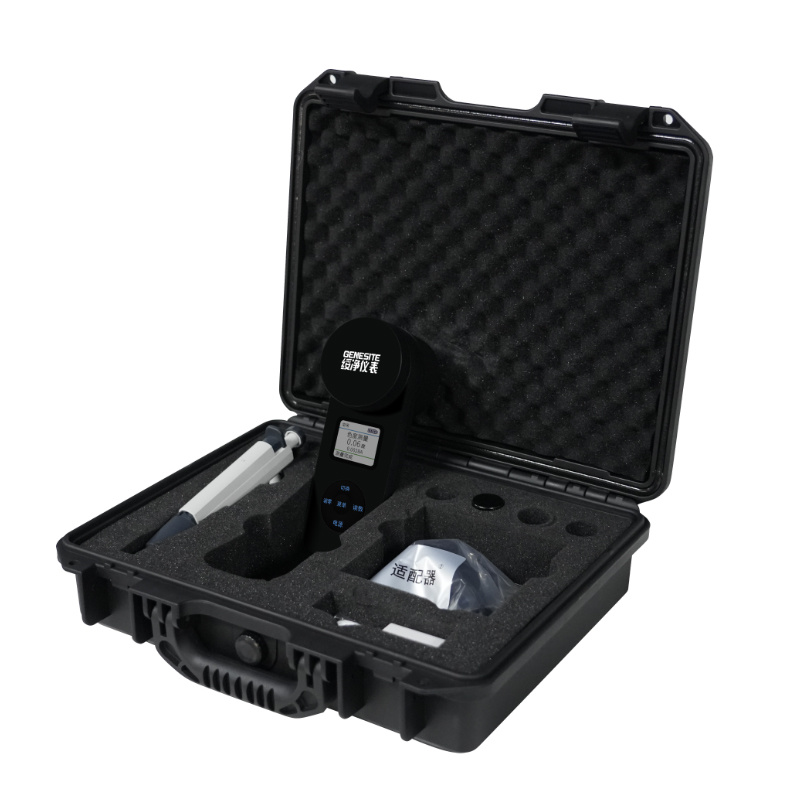
Conductivity analyzers are essential tools in the automotive industry, particularly when it comes to diagnosing issues related to fluids and materials. These devices measure the electrical conductivity of liquids, which can provide invaluable insights into the quality and composition of fluids used in vehicles, such as coolant, battery electrolyte, and fuel. Understanding the conductivity of these fluids is crucial for maintaining engine health and efficiency.
The fundamental principle behind a conductivity analyzer is relatively straightforward: it determines how well a liquid can conduct electricity. This is significant because the conductivity of a solution can indicate the presence of impurities, contaminants, or the concentration of certain compounds. For instance, high conductivity levels in coolant may signal the presence of metal ions, which could lead to corrosion or overheating if not addressed promptly. Similarly, battery electrolyte that exhibits abnormal conductivity levels might indicate degradation, affecting overall battery performance.
When sourcing a conductivity analyzer from a factory, there are several critical factors to consider. First, the accuracy and precision of the device are paramount. Analyzers must be calibrated to ensure that measurements are reliable and reflective of actual conditions. Additionally, versatility is a crucial feature; an effective analyzer should be able to assess various types of fluids without requiring extensive modification or recalibration.
Furthermore, the durability and build quality of the analyzer are essential, especially in the demanding environment of automotive repair shops. Devices should be designed to withstand exposure to various chemicals and the physical rigors typical in such settings. Ease of use and maintenance cannot be overlooked either; intuitive interfaces and straightforward calibration processes can significantly enhance operational efficiency.
In line with the technological advancements in the automotive industry, modern conductivity analyzers may come equipped with features such as data logging, digital displays, and connectivity options for integrating with diagnostic software. These enhancements facilitate better record-keeping and analysis, allowing technicians to track changes over time and make informed decisions based on comprehensive data.
In conclusion, a conductivity analyzer is an indispensable instrument for professionals in the automotive repair sector. By providing critical insights into fluid quality, these analyzers help ensure that vehicles operate efficiently and safely. When considering options from a conductivity analyzer factory, it is vital to prioritize accuracy, durability, and user-friendly features to enhance diagnostic capabilities and maintain high standards of automotive service.
The fundamental principle behind a conductivity analyzer is relatively straightforward: it determines how well a liquid can conduct electricity. This is significant because the conductivity of a solution can indicate the presence of impurities, contaminants, or the concentration of certain compounds. For instance, high conductivity levels in coolant may signal the presence of metal ions, which could lead to corrosion or overheating if not addressed promptly. Similarly, battery electrolyte that exhibits abnormal conductivity levels might indicate degradation, affecting overall battery performance.
When sourcing a conductivity analyzer from a factory, there are several critical factors to consider. First, the accuracy and precision of the device are paramount. Analyzers must be calibrated to ensure that measurements are reliable and reflective of actual conditions. Additionally, versatility is a crucial feature; an effective analyzer should be able to assess various types of fluids without requiring extensive modification or recalibration.
Furthermore, the durability and build quality of the analyzer are essential, especially in the demanding environment of automotive repair shops. Devices should be designed to withstand exposure to various chemicals and the physical rigors typical in such settings. Ease of use and maintenance cannot be overlooked either; intuitive interfaces and straightforward calibration processes can significantly enhance operational efficiency.
In line with the technological advancements in the automotive industry, modern conductivity analyzers may come equipped with features such as data logging, digital displays, and connectivity options for integrating with diagnostic software. These enhancements facilitate better record-keeping and analysis, allowing technicians to track changes over time and make informed decisions based on comprehensive data.
In conclusion, a conductivity analyzer is an indispensable instrument for professionals in the automotive repair sector. By providing critical insights into fluid quality, these analyzers help ensure that vehicles operate efficiently and safely. When considering options from a conductivity analyzer factory, it is vital to prioritize accuracy, durability, and user-friendly features to enhance diagnostic capabilities and maintain high standards of automotive service.
TAG:

Contact Us
E-mail :
andrew@genesit1.com
Phone:
+8615896508337
Address:
Chanhe Industrial Park,LuoYang City, Henan Province,China

SAF Coolest v1.3.1.2 设置面板 GAGSD-AGYF-JZZQE-ZAV
违禁词: 第一,最,一流,领先,独一无二,王者,龙头,领导者,极致,
无数据提示
Sorry,当前栏目正在更新中,敬请期待!
您可以查看其他栏目或返回 首页