GENESITE Environmental Protection Technology Co., Ltd.

Unlocking the Potential of Customized COD Sensors in Modern Applications
Oct 23,2025
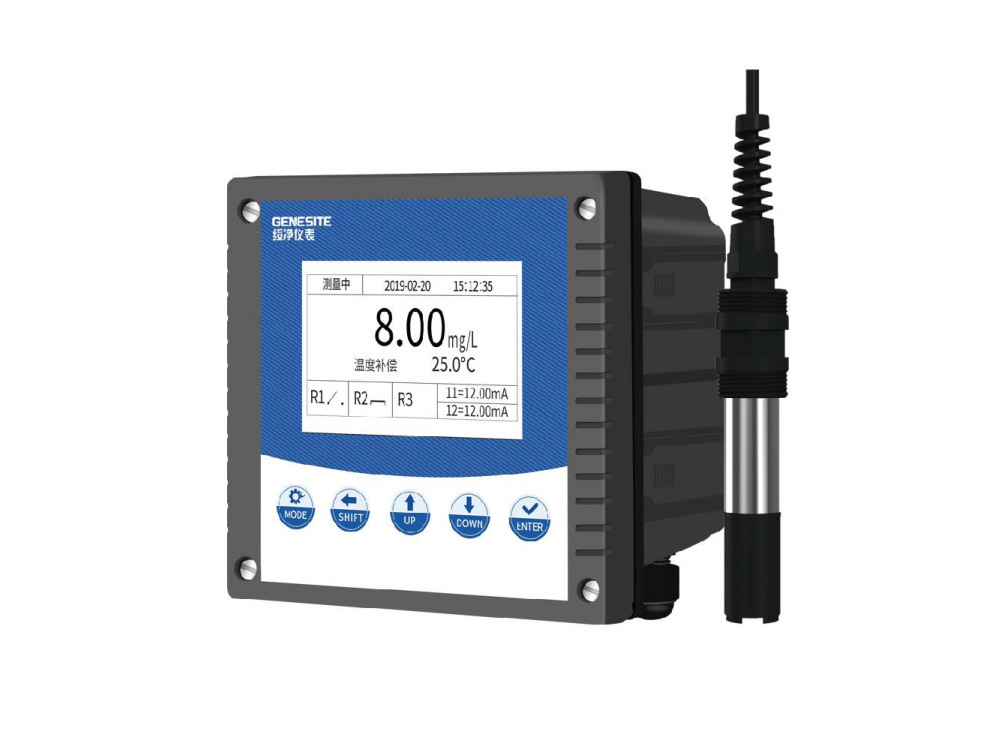
In today's rapidly evolving technological landscape, the demand for precision and customization has never been higher. Customized COD (Chemical Oxygen Demand) sensors are at the forefront of this trend, offering tailored solutions that cater to unique measurement requirements across various sectors. These sensors play a crucial role in monitoring water quality, industrial processes, and environmental assessments.
COD sensors are essential for determining the amount of oxygen required to chemically oxidize organic compounds in water. This measurement is vital for assessing water pollution levels and ensuring compliance with environmental regulations. However, standard sensors may not meet the specific needs of every application. This is where customized COD sensors shine, providing flexibility and adaptability to suit individual requirements.
One of the primary benefits of customized COD sensors is their ability to be engineered for specific environments or conditions. Whether it is a particular temperature range, pressure conditions, or chemical compatibility, these sensors can be designed to perform optimally in diverse settings. This customization not only enhances the accuracy of measurements but also extends the sensor's lifespan, reducing maintenance and replacement costs.
Moreover, customized COD sensors can integrate advanced features such as real-time data transmission, remote monitoring capabilities, and user-friendly interfaces. These innovations allow users to easily interpret data, track changes over time, and make informed decisions based on accurate readings. As industries continue to embrace automation and smart technologies, the demand for advanced sensor solutions will only grow.
Applications of customized COD sensors are vast, ranging from wastewater treatment plants to food and beverage industries, and even to research laboratories. For instance, in wastewater treatment, these sensors help operators monitor the effectiveness of treatment processes and ensure that effluent meets regulatory standards. In the food and beverage sector, they can be used to monitor the cleanliness of water used in production, thereby ensuring product quality and safety.
In conclusion, the significance of customized COD sensors cannot be overstated. By offering tailored solutions that address specific measurement needs, these sensors enhance data quality and contribute to better decision-making across various industries. As we move towards a more data-driven approach in industrial processes and environmental monitoring, the importance of customized solutions will become increasingly clear. The versatility and adaptability of customized COD sensors will undoubtedly play a pivotal role in shaping the future of sensor technology.
COD sensors are essential for determining the amount of oxygen required to chemically oxidize organic compounds in water. This measurement is vital for assessing water pollution levels and ensuring compliance with environmental regulations. However, standard sensors may not meet the specific needs of every application. This is where customized COD sensors shine, providing flexibility and adaptability to suit individual requirements.
One of the primary benefits of customized COD sensors is their ability to be engineered for specific environments or conditions. Whether it is a particular temperature range, pressure conditions, or chemical compatibility, these sensors can be designed to perform optimally in diverse settings. This customization not only enhances the accuracy of measurements but also extends the sensor's lifespan, reducing maintenance and replacement costs.
Moreover, customized COD sensors can integrate advanced features such as real-time data transmission, remote monitoring capabilities, and user-friendly interfaces. These innovations allow users to easily interpret data, track changes over time, and make informed decisions based on accurate readings. As industries continue to embrace automation and smart technologies, the demand for advanced sensor solutions will only grow.
Applications of customized COD sensors are vast, ranging from wastewater treatment plants to food and beverage industries, and even to research laboratories. For instance, in wastewater treatment, these sensors help operators monitor the effectiveness of treatment processes and ensure that effluent meets regulatory standards. In the food and beverage sector, they can be used to monitor the cleanliness of water used in production, thereby ensuring product quality and safety.
In conclusion, the significance of customized COD sensors cannot be overstated. By offering tailored solutions that address specific measurement needs, these sensors enhance data quality and contribute to better decision-making across various industries. As we move towards a more data-driven approach in industrial processes and environmental monitoring, the importance of customized solutions will become increasingly clear. The versatility and adaptability of customized COD sensors will undoubtedly play a pivotal role in shaping the future of sensor technology.
TAG:

Contact Us
E-mail :
andrew@genesit1.com
Phone:
+8615896508337
Address:
Chanhe Industrial Park,LuoYang City, Henan Province,China

SAF Coolest v1.3.1.2 设置面板 GAGSD-AGYF-JZZQE-ZAV
违禁词: 第一,最,一流,领先,独一无二,王者,龙头,领导者,极致,
无数据提示
Sorry,当前栏目正在更新中,敬请期待!
您可以查看其他栏目或返回 首页