GENESITE Environmental Protection Technology Co., Ltd.

Unlocking Innovation: How Sensor Technology Transforms Industries
Oct 27,2025
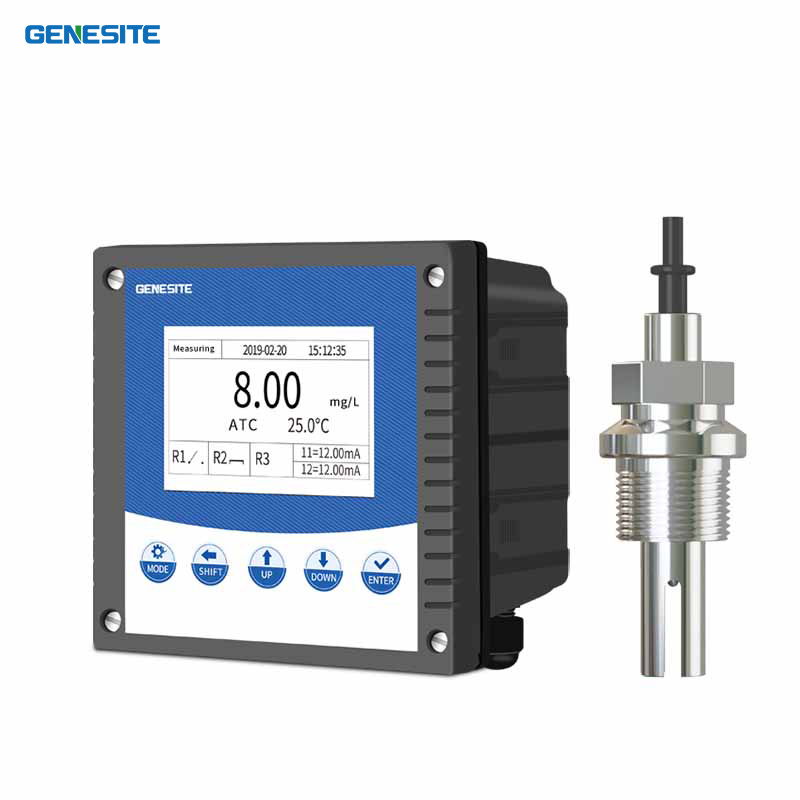
Unlocking Innovation: How Sensor Technology Transforms Industries
Table of Contents
- 1. Understanding Sensor Technology
- 2. The Evolution of Sensors
- 3. Impact of Sensor Technology on Various Industries
- 4. Benefits of Sensor Technology
- 5. Challenges in Adopting Sensor Technology
- 6. The Future of Sensor Technology
- 7. Conclusion
- 8. FAQs
1. Understanding Sensor Technology
Sensor technology refers to the use of devices that detect and respond to physical stimuli, including light, heat, motion, and moisture. These devices convert signals into readable data that can be analyzed, enabling real-time monitoring and control across various applications. As industries evolve, sensor technology plays a crucial role in enhancing automation, efficiency, and accuracy.
The integration of sensors into everyday applications has allowed for a more interconnected environment, often referred to as the Internet of Things (IoT). This technological advancement has transformed how businesses operate, making it essential for companies to stay updated with the latest sensor innovations.
2. The Evolution of Sensors
The journey of sensor technology began with simple mechanical devices that provided basic measurement capabilities. Over the decades, advancements in materials, electronics, and software have led to a proliferation of sophisticated sensors that are smaller, more accurate, and highly efficient.
**1. Early Developments**: The initial sensors were often bulky and limited in function. They primarily served industrial needs, such as measuring pressure and temperature.
**2. The Digital Revolution**: The introduction of digital technologies marked a turning point. Sensors began to integrate with computers, leading to significant improvements in performance, data collection, and analysis.
**3. Miniaturization and Connectivity**: With the advent of microelectromechanical systems (MEMS), sensors became miniature in size while maintaining functionality. Today, many sensors are wireless, allowing seamless connectivity and data transfer.
These evolutionary stages highlight how sensor technology has matured, making it indispensable in modern industries.
3. Impact of Sensor Technology on Various Industries
Sensor technology's influence spans multiple industries, each experiencing transformative changes that enhance operational efficiency and innovation.
3.1 Healthcare Sensors
In the healthcare sector, sensor technology is revolutionizing patient monitoring and diagnostics. Wearable sensors track vital signs such as heart rate, temperature, and blood oxygen levels, providing real-time data to healthcare professionals.
**Telemedicine**: The rise of telemedicine has been significantly bolstered by sensor technology, allowing patients to receive timely medical advice without visiting a healthcare facility.
**Remote Monitoring**: Chronic disease management has improved with remote monitoring sensors that alert healthcare providers about significant changes in patient health, enabling swift intervention.
3.2 Manufacturing Sensors
In manufacturing, sensor technology plays an essential role in optimizing production processes. Smart sensors collect data on machinery performance, employee productivity, and inventory levels.
**Predictive Maintenance**: By analyzing sensor data, manufacturers can predict equipment failures before they occur, reducing downtime and maintenance costs.
**Quality Control**: Sensors enhance quality control by monitoring production lines in real time, ensuring that products meet stringent quality standards before reaching consumers.
3.3 Agriculture Sensors
Agriculture has embraced sensor technology to maximize crop yields and optimize resource use.
**Precision Farming**: Soil moisture sensors help farmers determine the optimal irrigation levels, conserving water while ensuring healthy crop growth.
**Crop Health Monitoring**: Drones equipped with imaging sensors monitor crop health, providing farmers with critical data on plant conditions, enabling timely interventions to address issues before they escalate.
3.4 Transportation Sensors
In the transportation industry, sensor technology has led to safer and more efficient travel.
**Traffic Management**: Sensors embedded in roadways collect traffic data, helping city planners optimize traffic flow and reduce congestion.
**Autonomous Vehicles**: The development of self-driving cars relies heavily on sensors that provide critical information about the vehicle's environment, enhancing safety and navigation capabilities.
4. Benefits of Sensor Technology
The advantages of sensor technology are vast and impactful across various sectors:
**1. Increased Efficiency**: Sensors enable real-time data acquisition, allowing companies to make informed decisions quickly, improving overall efficiency.
**2. Enhanced Safety**: In sectors like manufacturing and transportation, sensor technology enhances safety by providing early warnings and monitoring conditions continuously.
**3. Cost Reduction**: Predictive maintenance and resource optimization lead to significant cost savings, benefiting organizations financially.
**4. Improved Data Collection**: Sensors gather precise data, allowing for better analysis and insights, driving innovation and strategic planning.
5. Challenges in Adopting Sensor Technology
Despite the numerous benefits, industries face challenges in adopting sensor technology:
**1. High Initial Costs**: The initial investment in sensor technology and infrastructure can be significant, posing a barrier for small businesses.
**2. Data Security**: The interconnected nature of sensor technology raises concerns regarding data security and privacy, necessitating robust cybersecurity measures.
**3. Integration Issues**: Incorporating new sensors into existing systems can be complex, often requiring specialized knowledge and resources.
**4. Skill Gap**: There is a growing need for professionals skilled in data analysis and sensor technology, creating a talent gap in the workforce.
6. The Future of Sensor Technology
As sensor technology continues to evolve, several trends are shaping its future:
**1. Advancements in AI**: The integration of artificial intelligence with sensor technology will enable more sophisticated data analysis, leading to predictive insights across industries.
**2. Greater Connectivity**: The expansion of 5G networks will improve sensor connectivity, enhancing data transmission speeds and enabling real-time applications.
**3. Sustainability Focus**: Future sensors will likely focus more on environmental sustainability, helping industries reduce waste and optimize resource use efficiently.
**4. Enhanced User Experience**: As sensor technology becomes more advanced, user interfaces will evolve, making it easier for businesses and consumers to interact with sensor-driven systems.
7. Conclusion
Sensor technology is at the forefront of innovation, driving significant transformations across various industries. From enhancing healthcare to optimizing manufacturing and agriculture, the impact of sensors is profound and far-reaching. As we continue to explore the possibilities, embracing the benefits while addressing challenges will be crucial for organizations aiming to leverage sensor technology fully.
8. FAQs
**Q1: What types of sensors are commonly used in industries?**
A1: Common types of sensors include temperature sensors, pressure sensors, humidity sensors, motion sensors, and light sensors, each serving specific applications across various industries.
**Q2: How does sensor technology improve efficiency?**
A2: Sensor technology improves efficiency by providing real-time data that allows for quick decision-making, optimizing processes, and reducing waste.
**Q3: What are the security concerns related to sensor technology?**
A3: Security concerns include data breaches, unauthorized access to sensitive information, and vulnerabilities in interconnected systems.
**Q4: Are there any industries that are lagging in adopting sensor technology?**
A4: Industries such as small-scale agriculture and traditional manufacturing may lag in adopting sensor technology due to cost, knowledge gaps, and infrastructure challenges.
**Q5: How can businesses prepare for the future of sensor technology?**
A5: Businesses can prepare by investing in training for employees, adopting flexible technologies, and focusing on cybersecurity measures to protect data and systems.
TAG:

Contact Us
E-mail :
andrew@genesit1.com
Phone:
+8615896508337
Address:
Chanhe Industrial Park,LuoYang City, Henan Province,China

SAF Coolest v1.3.1.2 设置面板 GAGSD-AGYF-JZZQE-ZAV
违禁词: 第一,最,一流,领先,独一无二,王者,龙头,领导者,极致,
无数据提示
Sorry,当前栏目正在更新中,敬请期待!
您可以查看其他栏目或返回 首页