GENESITE Environmental Protection Technology Co., Ltd.

Why You Should Consider Customized COD Sensors for Your Projects
Feb 14,2026
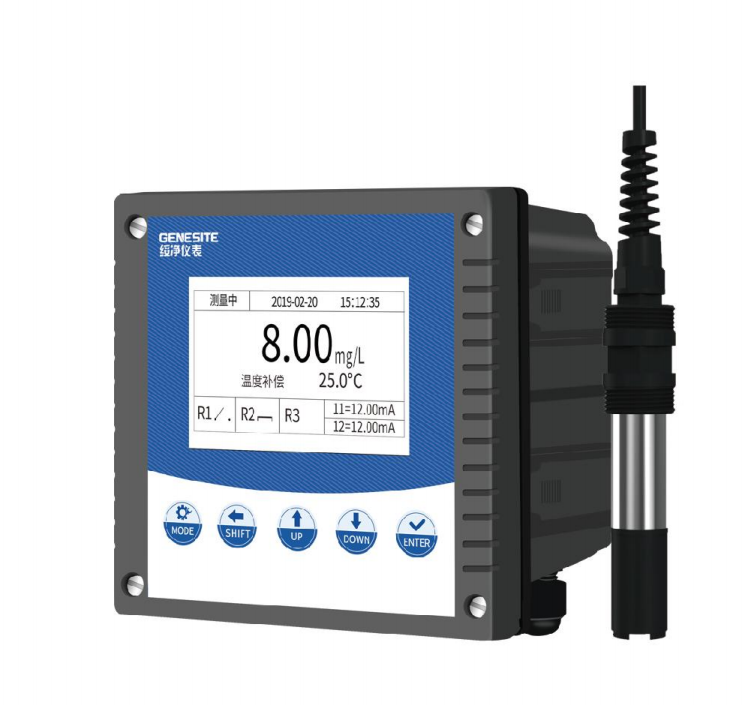
Why You Should Consider Customized COD Sensors for Your Projects
Introduction to COD Sensors: Understanding the Basics
Chemical Oxygen Demand (COD) sensors are essential tools in environmental monitoring, particularly in water quality management. These devices measure the amount of oxygen that microorganisms will consume while decomposing organic matter in water. This metric is crucial for assessing the level of pollution in water bodies and for ensuring compliance with environmental regulations. As industries and municipalities increasingly focus on sustainability, the demand for accurate and reliable COD measurement is on the rise.
The Importance of Customized Solutions
In a world where one-size-fits-all solutions are often inadequate, customized COD sensors offer a range of benefits. Tailoring sensors to specific project requirements ensures that they can handle unique environmental conditions, chemical compositions, and operational needs.
Why Customization Matters
1. **Performance Optimization**: Customized sensors can be designed to enhance performance in specific applications, ensuring maximum sensitivity and accuracy.
2. **Durability and Reliability**: Tailored materials and designs can improve the lifespan of the sensors, making them more resistant to harsh environmental conditions.
3. **Cost-Effectiveness**: By focusing on the specific needs of a project, companies can avoid overspending on unnecessary features while ensuring essential functionalities are included.
Applications of Customized COD Sensors
Customized COD sensors find applications across various industries, including:
- **Wastewater Treatment Plants**: Monitoring the quality of effluent and ensuring compliance with discharge regulations.
- **Industrial Discharges**: Evaluating the impact of industrial waste on local water bodies.
- **Aquaculture**: Managing water quality in fish farming to ensure optimal growth conditions.
- **Research and Development**: Providing accurate data for studies related to environmental science and ecology.
Key Factors to Consider When Choosing Customized COD Sensors
Selecting the right customized COD sensor requires careful consideration of several factors:
1. Environmental Conditions
Understanding the environment where the sensor will be deployed is crucial. High turbidity, salinity, and temperature variations can affect sensor performance. Custom sensors can be designed to withstand specific environmental challenges.
2. Measurement Range and Sensitivity
Different projects may require different measurement ranges and levels of sensitivity. A customized approach ensures that the sensor meets the specific demands of the application, whether it’s for detecting low levels of COD in pristine waters or higher concentrations in industrial effluents.
3. Chemical Composition of Samples
The presence of interfering substances can skew COD measurements. Custom sensors can be designed to mitigate the effects of specific chemicals found in the samples being tested.
4. Integration with Existing Systems
It’s essential to consider how the customized sensor will integrate with existing monitoring systems. Ensuring compatibility can enhance data collection efficiency and reduce operational downtime.
5. User-Friendly Interface
Ease of use is vital for effective data management. Customized sensors with intuitive interfaces allow for easier operation, data extraction, and analysis.
Benefits of Customized COD Sensors
Utilizing customized COD sensors provides several advantages that can significantly enhance project outcomes.
1. Increased Accuracy
Customized sensors can provide more accurate measurements by addressing specific project needs. This precision is crucial for maintaining compliance with environmental standards and for making informed decisions regarding water quality management.
2. Enhanced Data Quality
With tailored sensors, the data collected will be more relevant and reliable. This improved data quality enables better analysis and reporting.
3. Long-Term Cost Savings
While the initial investment in customized sensors may be higher, the potential for reduced maintenance costs, fewer operational disruptions, and increased efficiency can lead to significant long-term savings.
4. Improved Compliance and Reporting
Customized sensors can help organizations meet regulatory requirements more effectively. The ability to produce accurate, detailed reports can also enhance credibility and transparency with stakeholders.
5. Tailored Support and Maintenance
Choosing a vendor that offers customized sensors often means access to specialized support and maintenance services, ensuring that any issues can be resolved quickly and effectively.
Case Studies: Successful Implementation of Customized COD Sensors
Let’s explore a few case studies that illustrate the successful application of customized COD sensors in various industries.
1. Municipal Wastewater Treatment Plant
A municipal wastewater treatment facility implemented customized COD sensors to monitor effluent quality. The sensors were designed to cope with the fluctuating temperature and chemical composition typical of treated wastewater. As a result, the plant was able to maintain compliance with environmental regulations more efficiently while optimizing treatment processes.
2. Industrial Manufacturing Facility
An industrial manufacturing plant faced challenges with high levels of COD in its effluent. Custom sensors were developed to withstand the high chemical concentrations and provide accurate real-time data. This not only improved compliance with local regulations but also allowed for better process control and waste reduction.
3. Aquaculture Research Project
In an aquaculture project, researchers required precise COD measurements to manage water quality for optimal fish growth. Customized sensors were developed to function effectively in saline conditions. The resulting data enabled the team to adjust feeding and management practices, leading to improved growth rates and healthier stocks.
Frequently Asked Questions (FAQs)
1. What is the difference between standard and customized COD sensors?
Standard COD sensors are mass-produced and may not meet specific project needs. Customized sensors are tailored to address unique environmental conditions and operational requirements, providing better accuracy and reliability.
2. How do I determine if I need a customized COD sensor?
If your project has unique challenges, such as extreme environmental conditions or specific chemical compositions, a customized sensor may be necessary to ensure proper monitoring and compliance.
3. What factors influence the cost of customized COD sensors?
Cost factors can include the complexity of the design, materials used, required sensitivity, and the level of integration with existing systems.
4. How long does it take to develop and implement customized COD sensors?
The development and implementation time can vary based on project requirements and complexity. It may take several weeks to months, depending on the customization needed.
5. Can customized COD sensors be integrated with existing monitoring systems?
Yes, customized COD sensors can be designed to integrate seamlessly with existing systems, enhancing data collection and monitoring capabilities.
Conclusion
In summary, investing in **customized COD sensors** is a strategic decision that can yield significant benefits for a range of projects. From improved accuracy and data quality to long-term cost savings and better compliance, the advantages of tailored solutions are compelling. As environmental monitoring becomes increasingly critical in various industries, customized sensors will play a pivotal role in ensuring effective management of water quality and adherence to regulatory standards. By considering the unique demands of your project and opting for a customized approach, you can enhance operational efficiency and drive better outcomes in water quality management.
TAG:

Contact Us
E-mail :
andrew@genesit1.com
Phone:
+8615896508337
Address:
Chanhe Industrial Park,LuoYang City, Henan Province,China


SAF Coolest v1.3.1.2 设置面板 GAGSD-AGYF-JZZQE-ZAV
违禁词: 第一,最,一流,领先,独一无二,王者,龙头,领导者,极致,
无数据提示
Sorry,当前栏目正在更新中,敬请期待!
您可以查看其他栏目或返回 首页