GENESITE Environmental Protection Technology Co., Ltd.

Understanding the Role of Sensor and Controller Companies in the Electronics Industry
Feb 18,2026
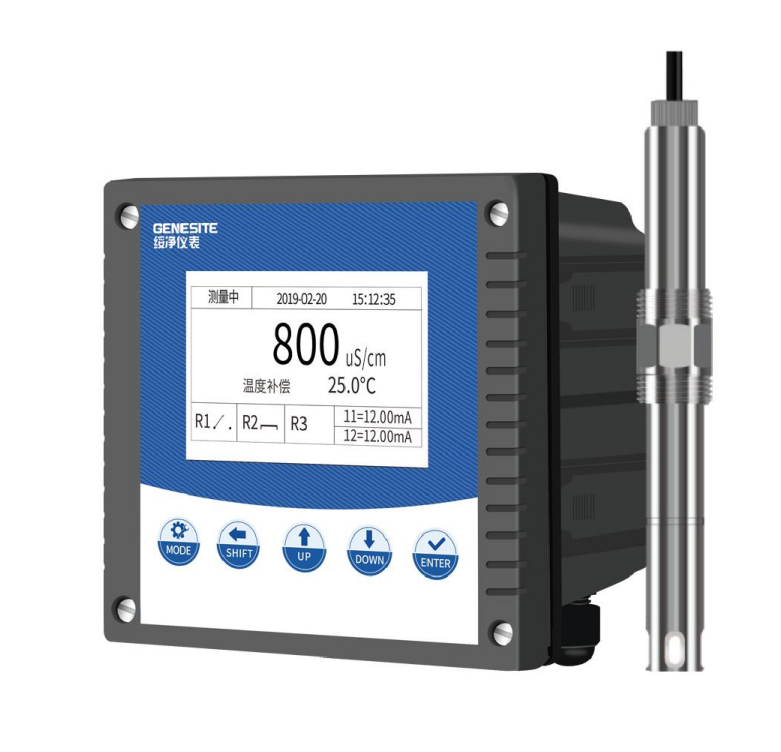
In today’s rapidly advancing technology landscape, the role of sensor and controller companies is becoming increasingly vital. These companies specialize in the development and production of sensors, which are devices designed to detect and respond to various physical stimuli, such as temperature, pressure, light, and motion. By converting these stimuli into electrical signals, sensors enable a wide array of applications across various industries, including automotive, healthcare, manufacturing, and consumer electronics.
One of the primary functions of sensors is to gather data from the environment. For example, temperature sensors play a crucial role in HVAC systems by ensuring optimal performance and energy efficiency. Similarly, pressure sensors are essential in automotive applications for monitoring tire pressure, which is critical for vehicle safety. These devices not only enhance functionality but also contribute to the overall efficiency and reliability of the systems they are integrated into.
On the other hand, controllers are vital for interpreting the signals received from sensors and executing predetermined actions based on that data. Essentially, a controller acts as the brain of an automated system, processing information and making decisions in real-time. For instance, in a smart home system, light sensors can detect ambient light levels and communicate with a lighting controller to adjust brightness automatically, thus enhancing user comfort and energy savings.
Moreover, the integration of sensors and controllers is pivotal in the development of the Internet of Things (IoT). As more devices become interconnected, the demand for sophisticated sensors that can provide accurate and reliable data increases. Sensor and controller companies are at the forefront of this innovation, driving advancements in technology that enable everything from smart cities to wearable health devices.
It's also important to note that the world of sensors is continually evolving. Emerging technologies such as MEMS (Micro-Electro-Mechanical Systems) are paving the way for smaller, more efficient sensors capable of performing complex tasks. This evolution not only enhances performance but also reduces costs and opens the door for new applications.
In conclusion, sensor and controller companies play a crucial role in modern electronics, providing essential components that enable various applications and drive innovation. Understanding their contributions is key for professionals in the industry, as it informs better decision-making and strategic planning. As technology continues to advance, staying informed about the latest developments in sensors and controllers will be critical for anyone looking to succeed in the electronics sector.
One of the primary functions of sensors is to gather data from the environment. For example, temperature sensors play a crucial role in HVAC systems by ensuring optimal performance and energy efficiency. Similarly, pressure sensors are essential in automotive applications for monitoring tire pressure, which is critical for vehicle safety. These devices not only enhance functionality but also contribute to the overall efficiency and reliability of the systems they are integrated into.
On the other hand, controllers are vital for interpreting the signals received from sensors and executing predetermined actions based on that data. Essentially, a controller acts as the brain of an automated system, processing information and making decisions in real-time. For instance, in a smart home system, light sensors can detect ambient light levels and communicate with a lighting controller to adjust brightness automatically, thus enhancing user comfort and energy savings.
Moreover, the integration of sensors and controllers is pivotal in the development of the Internet of Things (IoT). As more devices become interconnected, the demand for sophisticated sensors that can provide accurate and reliable data increases. Sensor and controller companies are at the forefront of this innovation, driving advancements in technology that enable everything from smart cities to wearable health devices.
It's also important to note that the world of sensors is continually evolving. Emerging technologies such as MEMS (Micro-Electro-Mechanical Systems) are paving the way for smaller, more efficient sensors capable of performing complex tasks. This evolution not only enhances performance but also reduces costs and opens the door for new applications.
In conclusion, sensor and controller companies play a crucial role in modern electronics, providing essential components that enable various applications and drive innovation. Understanding their contributions is key for professionals in the industry, as it informs better decision-making and strategic planning. As technology continues to advance, staying informed about the latest developments in sensors and controllers will be critical for anyone looking to succeed in the electronics sector.
TAG:

Contact Us
E-mail :
andrew@genesit1.com
Phone:
+8615896508337
Address:
Chanhe Industrial Park,LuoYang City, Henan Province,China


SAF Coolest v1.3.1.2 设置面板 GAGSD-AGYF-JZZQE-ZAV
违禁词: 第一,最,一流,领先,独一无二,王者,龙头,领导者,极致,
无数据提示
Sorry,当前栏目正在更新中,敬请期待!
您可以查看其他栏目或返回 首页